AICA MEETS RAIMONDO ROSSI (RAY MORRISON): CONTEMPORARY PHOTOGRAPHY AND INTERNATIONAL CRITICISM IN DIALOGUE
Dialogue with Dr. Tong, Secretary General of AICA (Association Internationale des Critiques d’Art) Italy-China and Founder of “The Found” (Visual Art Center), in the context of an international cultural publication
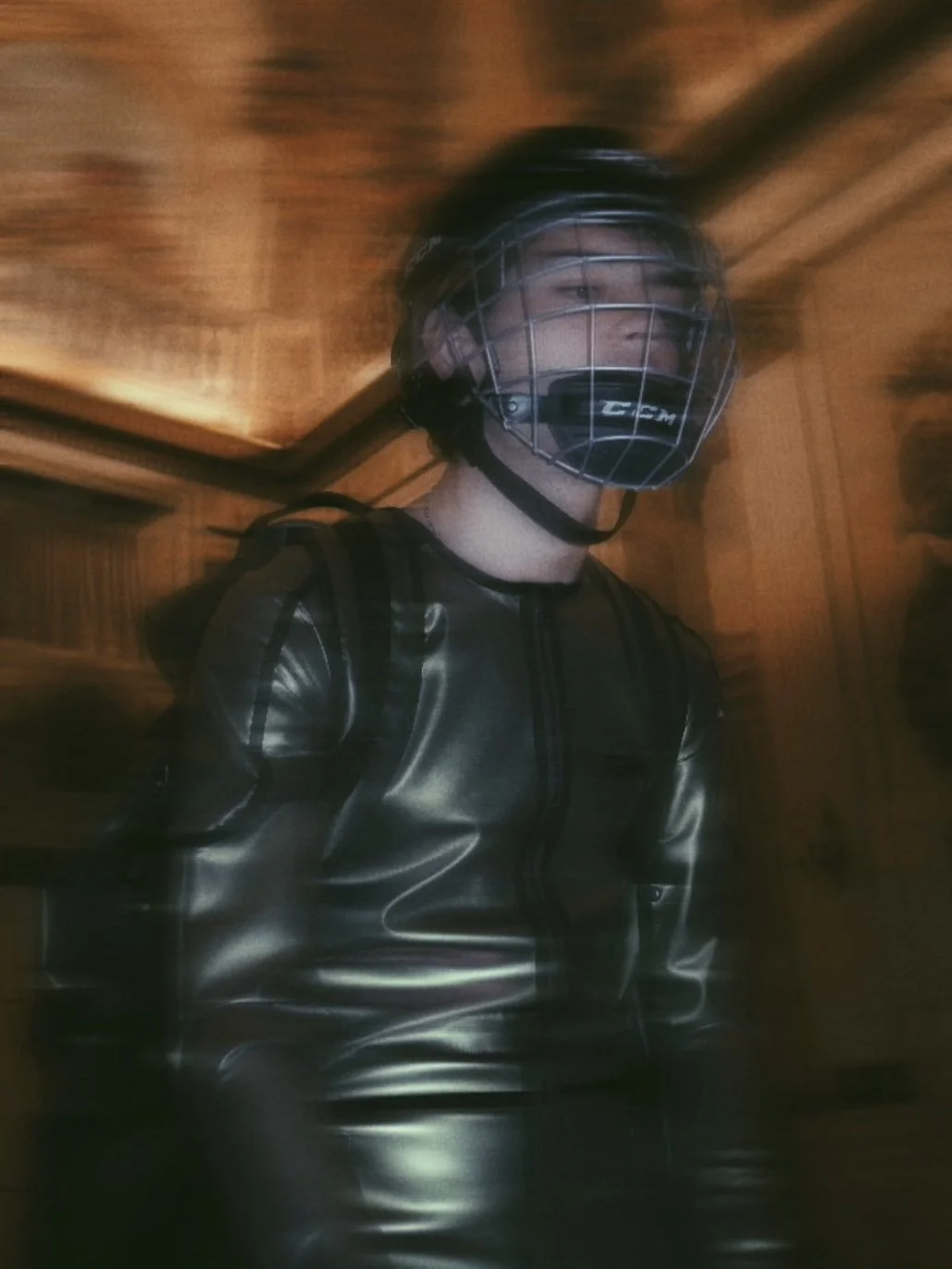
Within the activities promoted by AICA – the International Association of Art Critics, founded in 1948 under the auspices of UNESCO – the dialogue between visual research and critical thought represents a privileged space for international cultural exchange and legitimization.
The dialogue with Dr. Tong, Secretary General of AICA Italy-China and founder of The Found (Visual Art Center), is situated within this institutional framework. The conversation was originally published in Chinese on the editorial platform she founded, a center dedicated to the analysis and promotion of contemporary art. The text that follows constitutes the version reproduced and shared here.
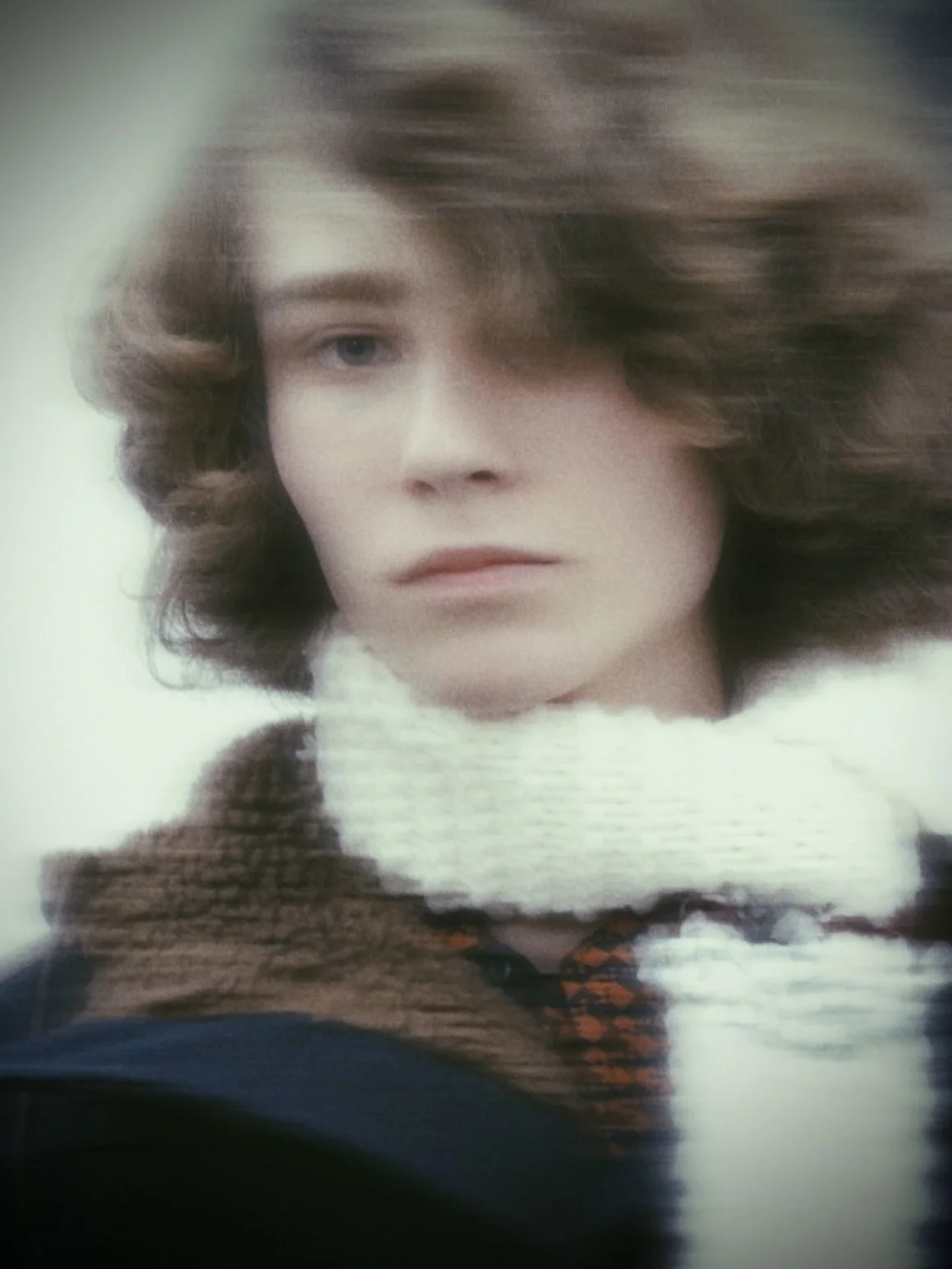
The meeting with Raimondo Rossi, known as Ray Morrison, takes on the value of a critical exchange between artistic practice and theoretical reflection. His photographic research, developed between fashion, identity, and social responsibility, is interpreted here as the expression of a vision capable of engaging with contemporary cultural debate, moving beyond a merely aesthetic dimension. This publication therefore stands as a moment of cultural reflection and sharing, marked by an institutional dialogue that recognizes photography as a critical language and a tool for interpreting the present.
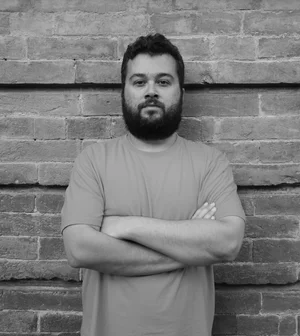
(From this point onward, the text faithfully reproduces the Italian translation of the original interview, previously published in Chinese on The Found.) Residing between Perugia, Rome, and Los Angeles, he is highly appreciated for his artistic versatility. As a photographer, he adheres to a clear standard: he does not handle the post-production of his works, nor does he purchase expensive cameras. He has shot numerous photographs for Vogue Italia over the past two years. Thanks to his versatile style, he is often featured in articles dedicated to Florence, Milan, and Hollywood during men’s fashion weeks, appearing in publications such as “Best-dressed Men” and “Men to Follow.” He has been interviewed or featured in magazines such as VOGUE, GQ, The New York Times, Getty Images, and NZZ, and has been selected as a “Cover Man.” As a creative director, he has curated and commented on several Italian and American magazines.
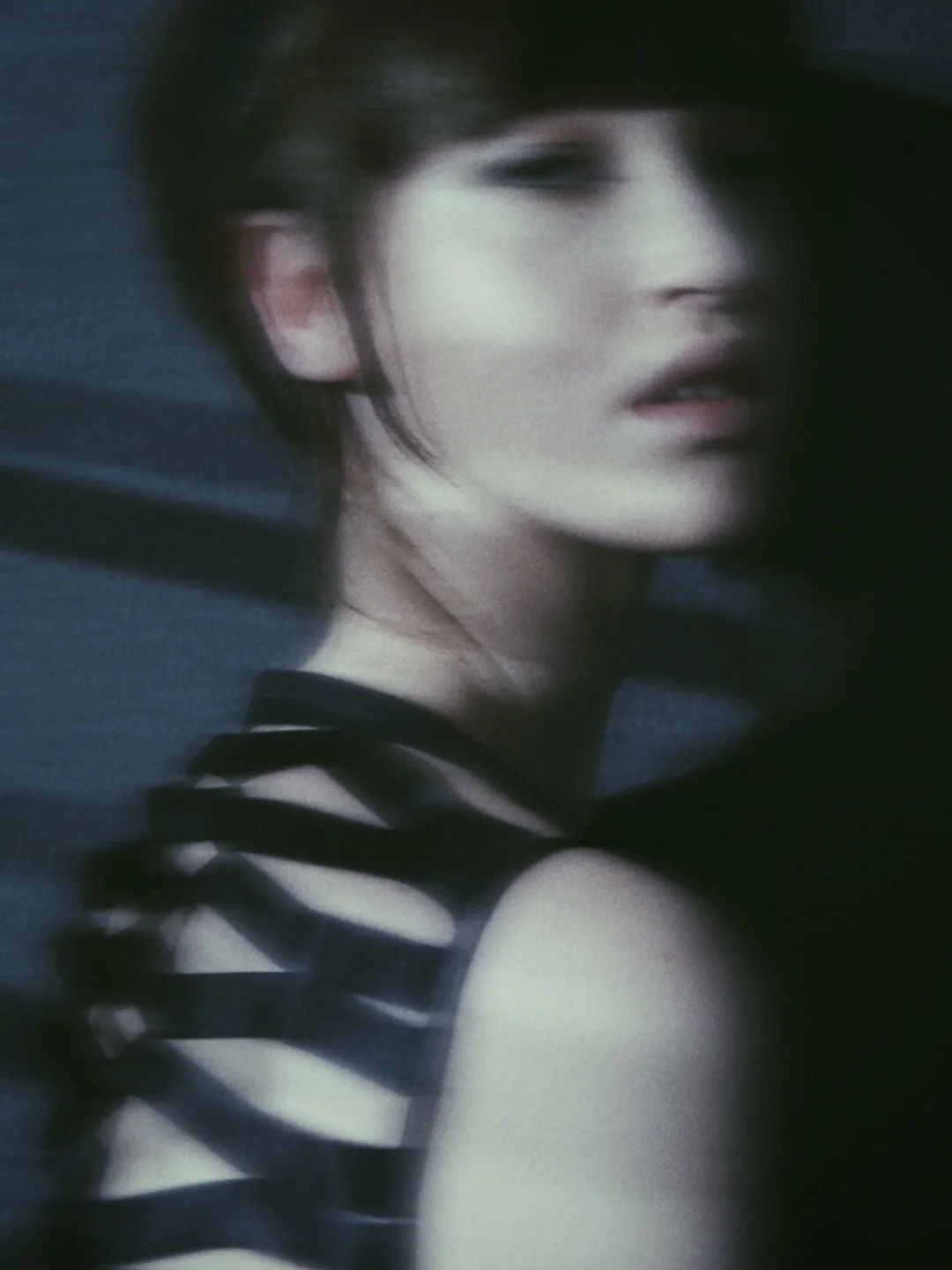
1. Hi Ray, as a photographer, how would you evaluate yourself and how do you see the birth and development of the artistic side of your life?
First of all, it is an honor to take part in this exchange with The Found. I consider myself a very calm and ordinary person. But I enjoy researching and representing beauty in its various forms through the lens. This is because, by shooting or collaborating with other photographers, we can create interesting works that inspire the “reader.” Creating these works is a means of expressing fashion or art. How was my artistic side born or developed? I don’t believe there was a specific starting date. As far as I can remember, it was rather early, when I attended theater and dance courses. It was there that I understood my love and my desire to create videos and take photographs: that making videos or taking photos could make fashion and art more global, but also more intimate. That was probably when it began to germinate.
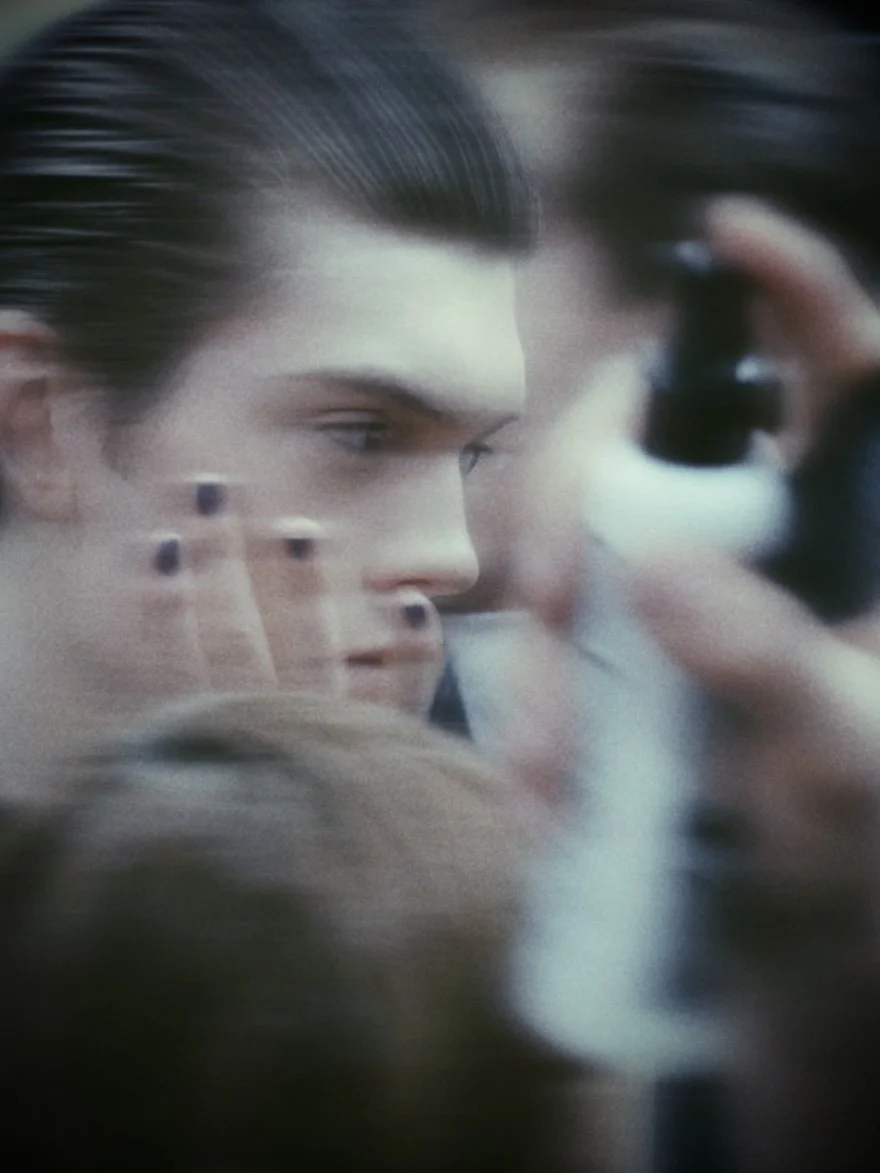
2. You have worked and achieved success in different fields, from Los Angeles Fashion Week to Milan Fashion Week, from the Rome Film Festival to Hollywood. Where do you feel at home?
Fashion itself, in its purest form, is repetitive, monotonous, and in some ways negative. Cinema and theater, on the other hand, often possess a richer and more subtle quality. I like working between these two worlds, and that is why I take part in Los Angeles Fashion Week, particularly in Hollywood, where the connections between fashion and cinema interest and fascinate me deeply. This also includes the field of film and television costume design, where stylists create costumes for films (costume designers are not always connected to the fashion world). Therefore, what I appreciate is the harmony and elegance that arise from the fusion and collision of fashion with other fields, and the richness and depth that other artistic mediums bring to fashion.
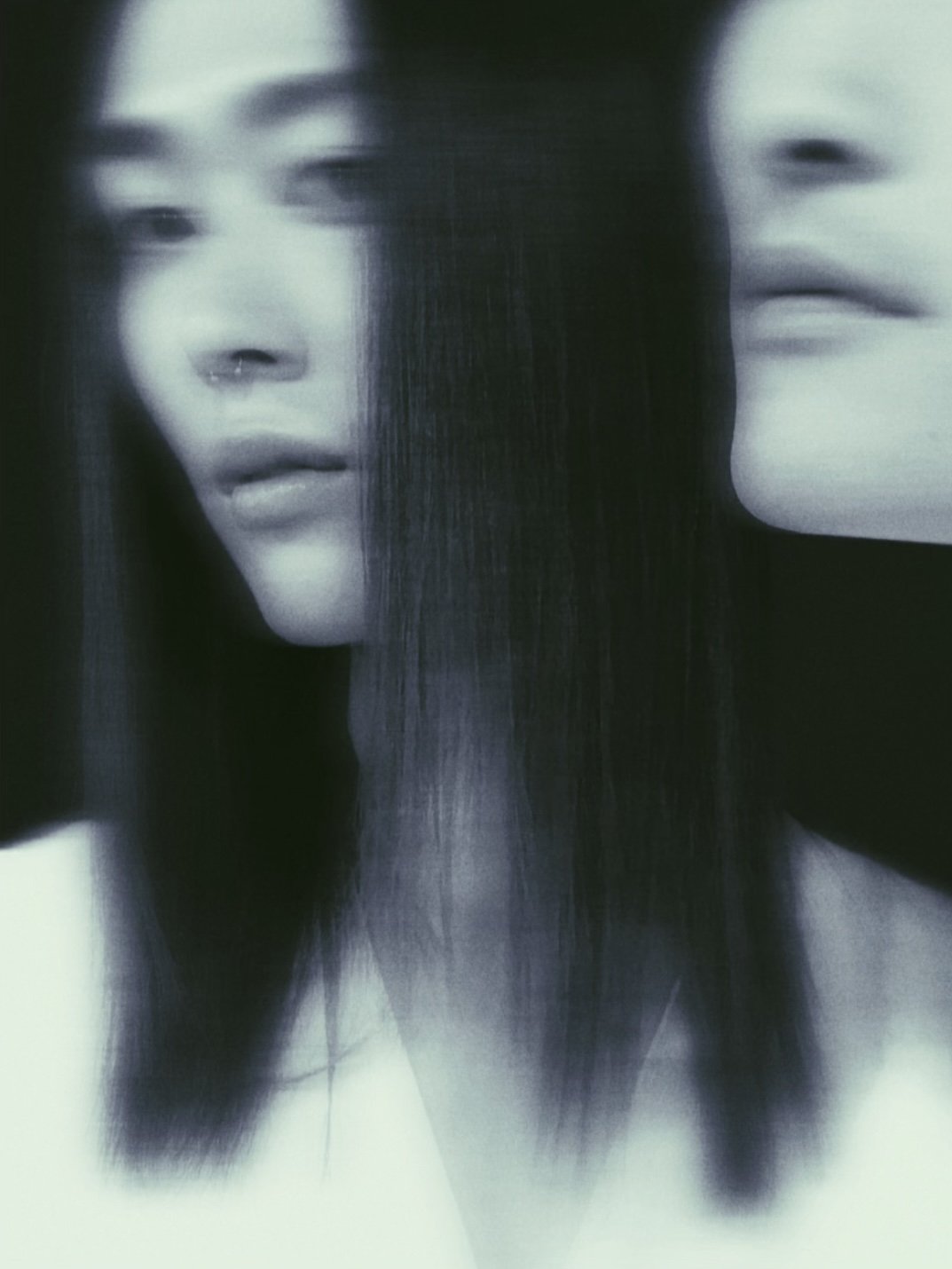
3. Regarding your photographic series for VOGUE, could you name the artist who influenced your photographic style? You seem to have inherited the characteristics of Richard Avedon, but at the same time you also carry the shadow of Terry Richardson.
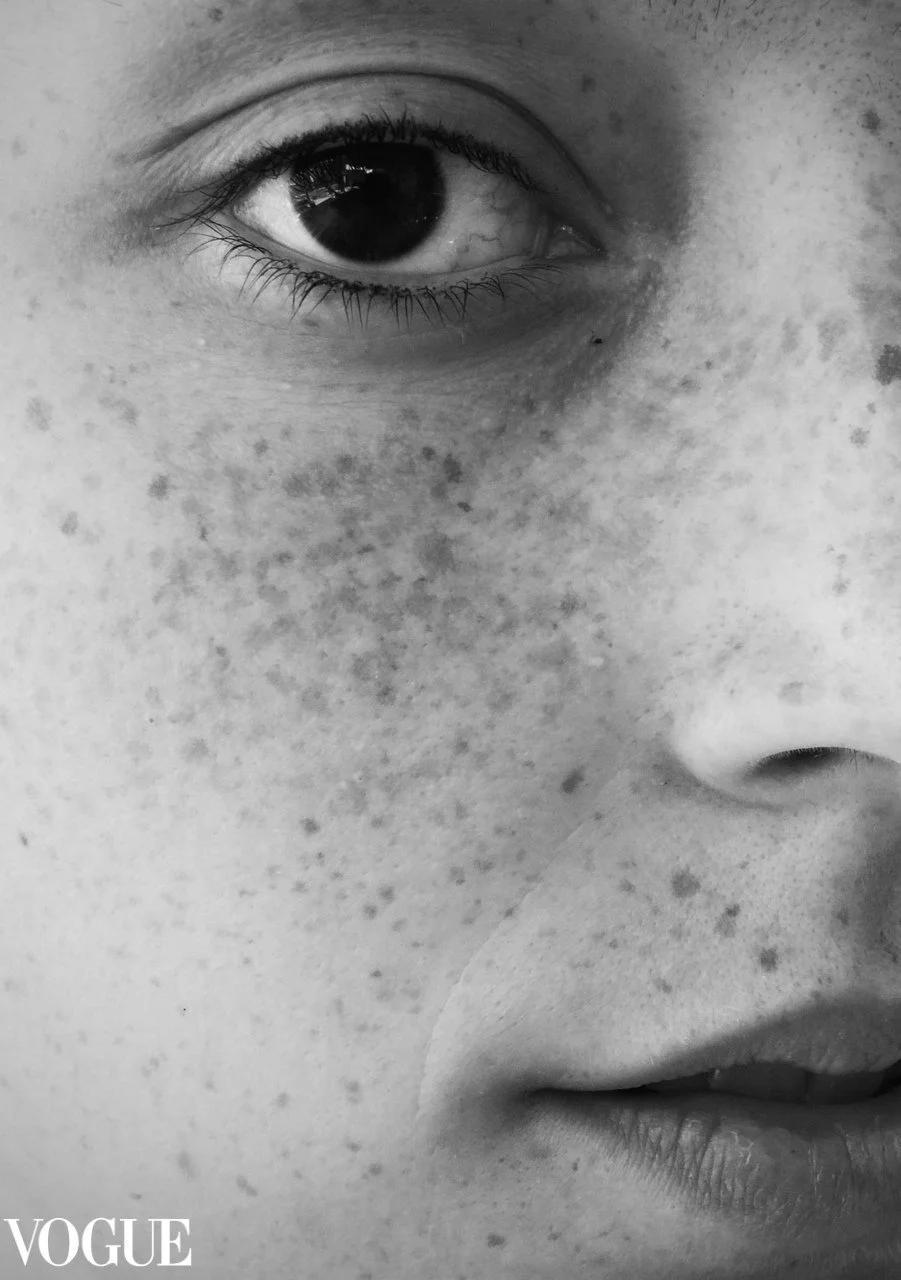
Haha, that compliment makes me blush, thank you very much. However, I don’t have any particular photographer who inspires me. I firmly believe that looking too much at other people’s work is wrong, but searching and exploring our inner self, and expressing our imagination and emotions, is right. We have so many experiences, acquisitions, and influences from a very young age; we are full of stimuli and imagination, so I don’t think it is important to be inspired by someone. As for the two masters you mentioned, they are truly extraordinary, thank you again. Regarding Avedon, yes, I also love black and white portraits; they allow me to get closer to the interiority of the “person.” As for Richardson, yes, I also want to represent themes that break classical stereotypes: age no longer matters, acne or perfect skin no longer matter, and so on. And my artistic expression will also break male stereotypes about women.
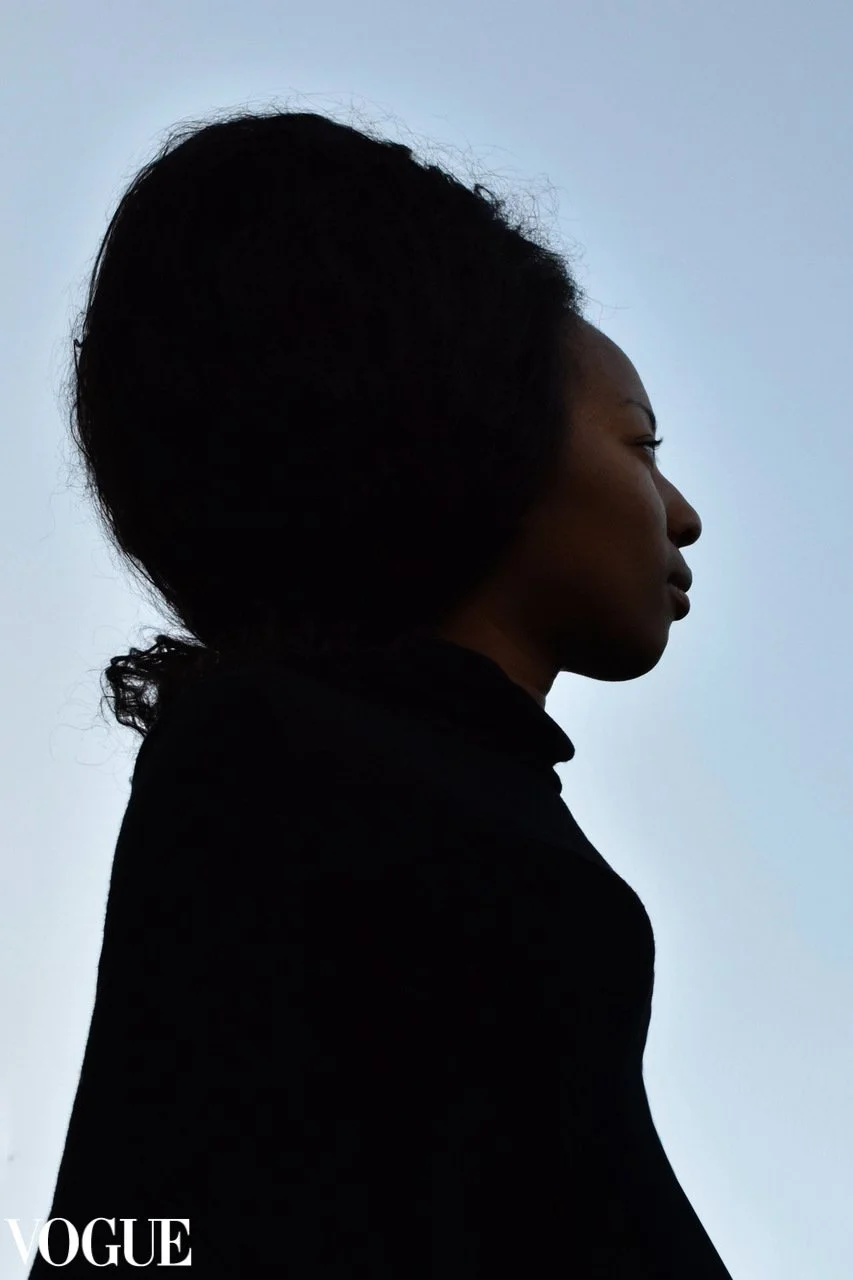
4. Many of your subjects are people of different skin colors, such as Africans and Asians, which demonstrates your respect and tolerance for different ethnicities. However, unjust episodes against people of color continue to occur. What would you like to say about this?
For me, the Black community represents exoticism, mystery, strength, silence, and courtesy — worthy of love and respect, like a woman who has waited indefinitely for the respect she deserves. I firmly support equity and freedom among different ethnicities, and this community is once again fighting for greater justice. After the unjust treatment and death of George Floyd in North America, I want to say that I find it difficult to accept any form of discrimination, not only against African Americans.
5. For a long time, the social definition of female “beauty” has created psychological problems and pressures for many women, especially on a psychological level. With the continuous increase of social “aesthetic standards,” women who are not considered attractive risk falling into a “state of depression.” What is your opinion on this phenomenon? Do you believe fashion photography has similar fundamental principles?
Yes, I believe fashion photography is responsible for the issue you have raised. This is one of my fundamental goals: to remind everyone that we are all individuals with the same beauty, regardless of weight, age, or facial features. Take curvy women as an example; in recent years, the situation has improved and they are beginning to have opportunities on the covers of traditional magazines. Tess Holliday, whom I know and am in contact with, is an example of this change in the so-called “aesthetic.” Even in a male-dominated world, it is difficult to free ourselves from consolidated aesthetic canons. In any case, there is still much work to be done in this regard, which derives from the fact that fashion editorials essentially still offer the same things as 30 or 40 years ago, and similar photo shoots for models still adhere to poses conforming to the “aesthetic.” However, the problem lies with those who manage fashion professionals and the industry, who can still generate sales through a rigid “aesthetic,” standard images, magazine covers, and brand advertising.
6. Do you think social networks (such as Instagram) facilitate photography or diminish its meaning?
I believe Instagram is not killing photography or professionals. What distinguishes a beautiful photo from an ugly one when there is no Photoshop or extremely expensive equipment? It is the lens, the right moment to shoot, and emotion: these are amplified in the digital era and can still be realized anytime and anywhere, and that is exactly what I follow. How can we say that a photo corrected and refined in Photoshop for hours is an authentic photo? In short, I love art, but everything depends on what we like, such as fashion, reading, or poetry. I will not judge any form of photography negatively, but I strive to ensure that everyone can express themselves.
7. After learning about your story and experience, and that you were once a “mathematician,” how did that experience influence you?
With a thesis in Latin literature. Perhaps at that time I still desired an open-minded approach toward the world of literature and art. I would not say that I made a 100% wrong choice then; I would say that I did not know how to truly listen to my heart. But this is a problem for everyone. Our heart has many facets and, at times, for society or family, some aspects take precedence over others. I was born and raised in a city in central Italy, in a very traditional family and in an open society. I obtained a Master’s degree in mathematics, which was probably a source of joy for my parents, who had no interest in art or literature. After that, I also began managing the family business.
8. How did your artistic career begin? Could you tell us some key moments?
After years of “normal” life, I began focusing on theater, contemporary dance, and photography. In 2012, I was asked to pose for several film and television festivals and for an Italian designer, wearing his creations for “fashion events.” This attracted attention, and I began receiving invitations to all the Italian fashion weeks, and later to those in Paris and Los Angeles. Now, thanks to my extensive experience on the red carpet and backstage at fashion shows, I devote myself to photojournalism and styling, also working as a freelance photographer and on-site creative director for several international magazines. I own the copyright to the content of The Style Researcher website.
9. It must be very difficult to work in the fashion and photography industry in Italy and the United States, after all they are places where talent and genius emerge in large numbers. What are your particular feelings about this experience?
I want to say that nothing is easy. My birthplace did not allow me to be myself; my family is traditionalist, and starting in the world of Italian fashion and photography was incredibly difficult: they were not very receptive toward new faces and talents. They were more inclined toward self-protection and cliques, offering their work or recognition only to friends or people who could be useful to them. I want to say that they tried to discourage you, but I succeeded. I managed to “be myself, without rules, without pretensions!” That is the most important thing, and I have earned the respect of the public, designers, and photographers, which is truly wonderful!
10. As a photographer, how do you view social responsibility and social value?
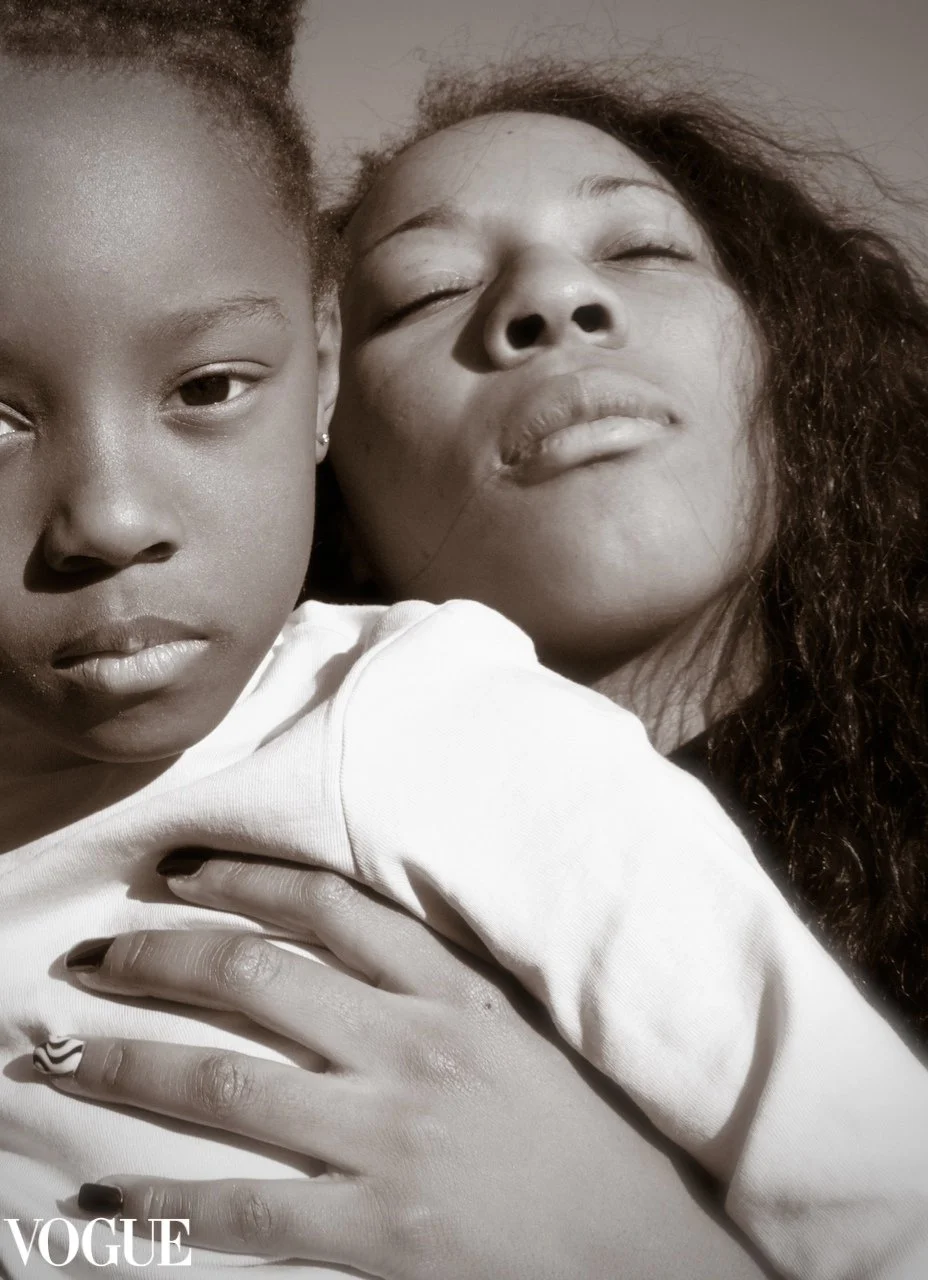
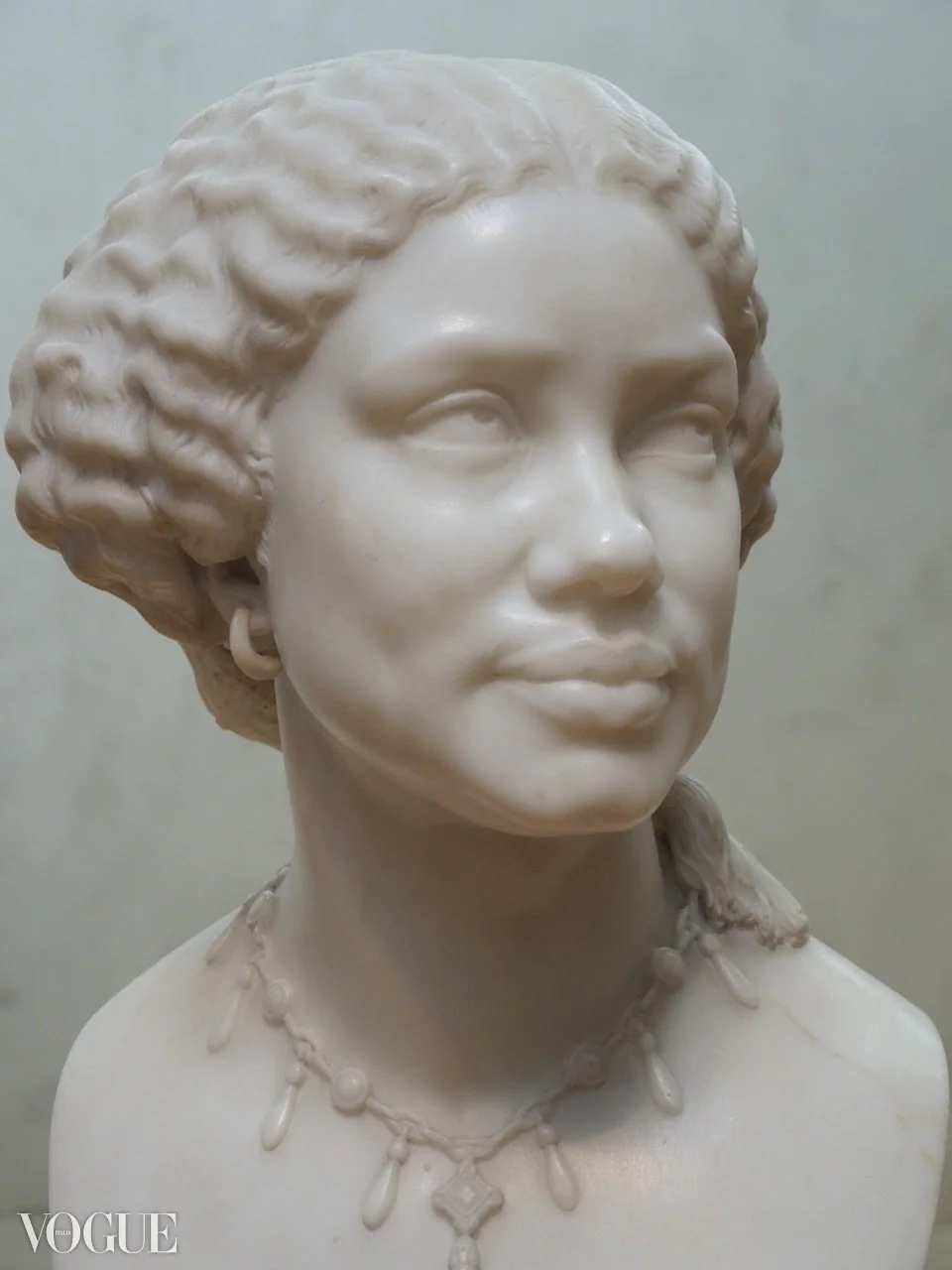
Conveying a positive message to society has always been my professional mission. In the field of photography, the fashion industry offers space only to certain stereotypes, which can be frustrating and limiting for many. It is crazy. I strive to make every form of beauty clearly visible in my photography and in my editorial creative direction. There is more than one form of “perfection” in the world. Beauty is everywhere, and I try to help people, famous or not, perceive their own beauty (for example, in my photographic exhibition on Vogue, you can see beautiful women of every type, none of whom have ever used Photoshop). On the creative front (where I directed the crew), for example, in the book Le emozioni della moda, I told a video story about the connection between fashion and emotions, creating images of dreams, music, and love to infuse fashion with meaningful messages. In another work, Dress Me Up, I told a video story that, while speaking about fashion, also reminded viewers of the importance of respecting our diversity: when we were teenagers, the most important clothes were “our passions.” In those crucial periods, society and family should provide support and guidance; several philosophers and artists also participated in this project.
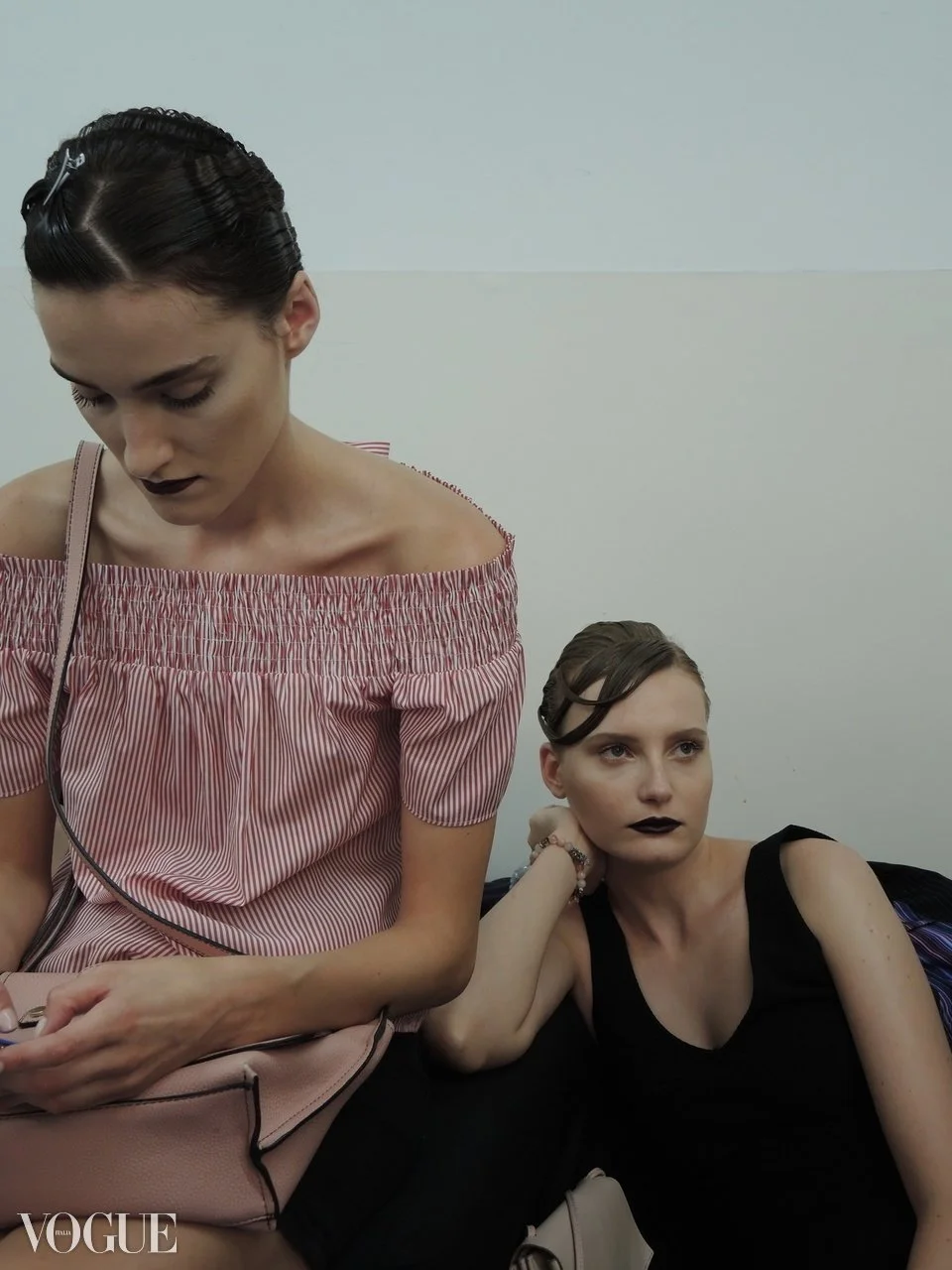
11. One last question: when you photograph the world in “color” or in “black and white” to record what you see, what message do you want to convey to the present? And what kind of life do you want to “see” in the future?
First of all, we must be ourselves and work with our heart. I have achieved significant milestones, such as the cover of GQ (China) or being included among the “10 photography styles to watch” by NZZ Magazine, all results that came as an absolute surprise. So I believe that if you work well and do not copy anyone, someone will notice you. I want to tell you another story: I was creative director and supervisor of a video for Cryptic Wisdom that achieved over 100,000 views on its first day of release. This is another great gift of life: I have listened to his music for many years, he is one of my greatest sources of inspiration, and he contacted me to collaborate because he liked my work. This means a lot to me, and I am grateful to life because the small things matter most. What I love most about photography is being able to speak with people from different cultural backgrounds, to sit there and listen. It makes no difference whether I am speaking with a celebrity or a homeless person. So I would say I live a vibrant life. The problem is that sometimes these colors darken, and life sometimes seems to have its ups and downs, its twists, its anxieties and uncertainties. But for the future, I will do my best to keep the colors vivid as I explore it.
To see more, visit our Art section.
Original text and photo galleries of Rossi’s works at:
https://b.xiumius.cn/stage/v5/3ZQUV/218398711#/