CITIES AS CANVASES: WHEN WALLS START TO SPEAK
Cities have always spoken, though not always with words. They speak through their architecture, their rhythm, their people, and increasingly, through their walls. Once seen as blank dividers of space, urban surfaces have become vast canvases, carrying the marks of rebellion, memory, and community.
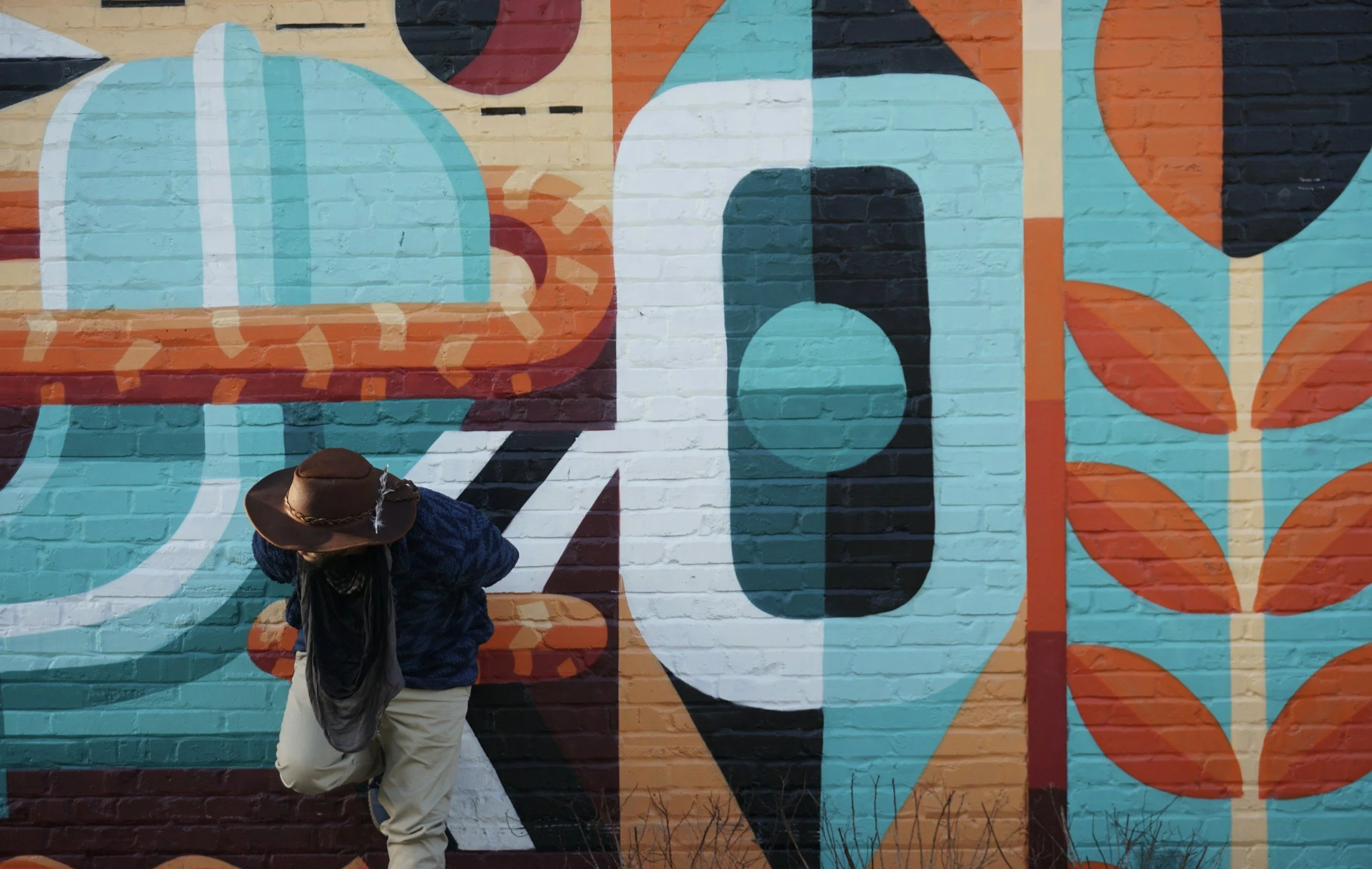
Street art is no longer confined to the underground; it is now a global visual language, one that belongs as much to the alleyway as to the museum. It emerged as an act of resistance, a way for the unseen to become visible. In New York’s subways during the 1970s, names and symbols exploded across train cars, creating a fast-moving gallery that traveled through the city like a pulse. That raw energy crossed oceans, finding new voices in Berlin, São Paulo, Johannesburg, and countless other cities where walls became stages for urgent expression. Over time, what was once criminalized began to shift into cultural legitimacy. Murals now cover entire districts, commissioned by local councils and celebrated as urban renewal projects. Yet the core of this art form remains direct and democratic: it speaks to anyone who passes, whether they seek it out or stumble upon it.
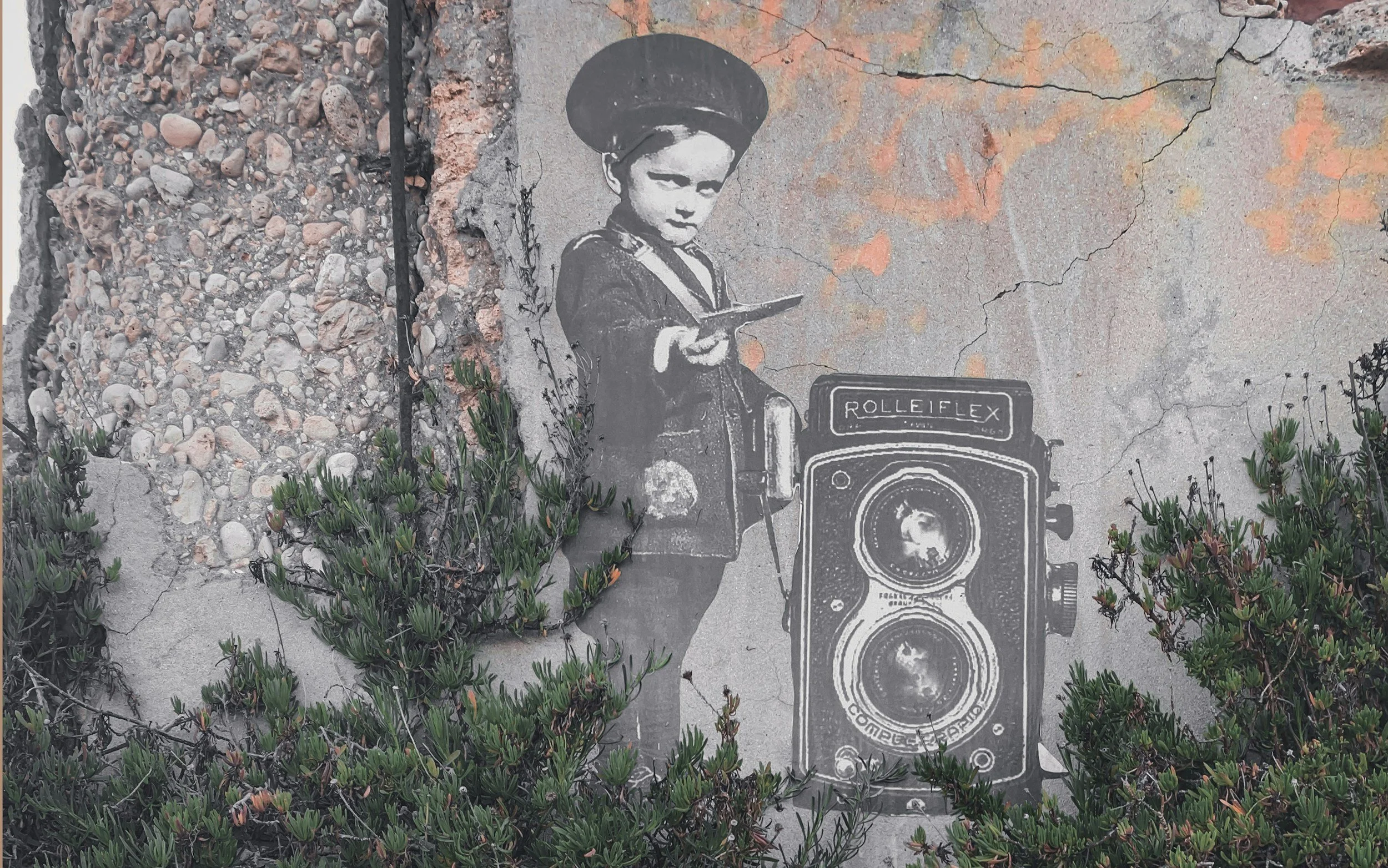
The power of a mural lies in its scale. A single face painted across the side of an apartment block can turn an anonymous building into a landmark, reshaping not only the visual identity of a neighborhood but also how its residents see themselves reflected. In some places, entire communities have been transformed by color, with coordinated festivals turning neglected blocks into open-air museums. These projects are more than decoration; they are social gestures that stitch together memory, pride, and place. But not all urban art is designed to last. Graffiti tags, small stencils, and quick slogans are intentionally fleeting, meant to disrupt rather than endure. They can disappear overnight under a new layer of paint, but their disappearance is part of the point: they remind us that not every message seeks permanence, and that impermanence itself can be a form of power. Together, these layers — murals that endure, graffiti that fades, interventions that vanish — create a living surface, a palimpsest where cities are constantly rewritten.
The walls also carry politics. They are never neutral. A wall is a boundary, a marker of ownership, a surface of exclusion. When artists take them over, they are reclaiming power. Murals about social justice, graffiti calling out corruption, or even humorous drawings mocking authority all push against the notion that the city belongs only to planners and developers. In sites of division, painted walls become global symbols: the sections of the Berlin Wall covered in color or the contested murals across the Middle East show how art makes barriers speak louder than silence ever could. These are not only works of art but also testaments to collective memory and dissent.
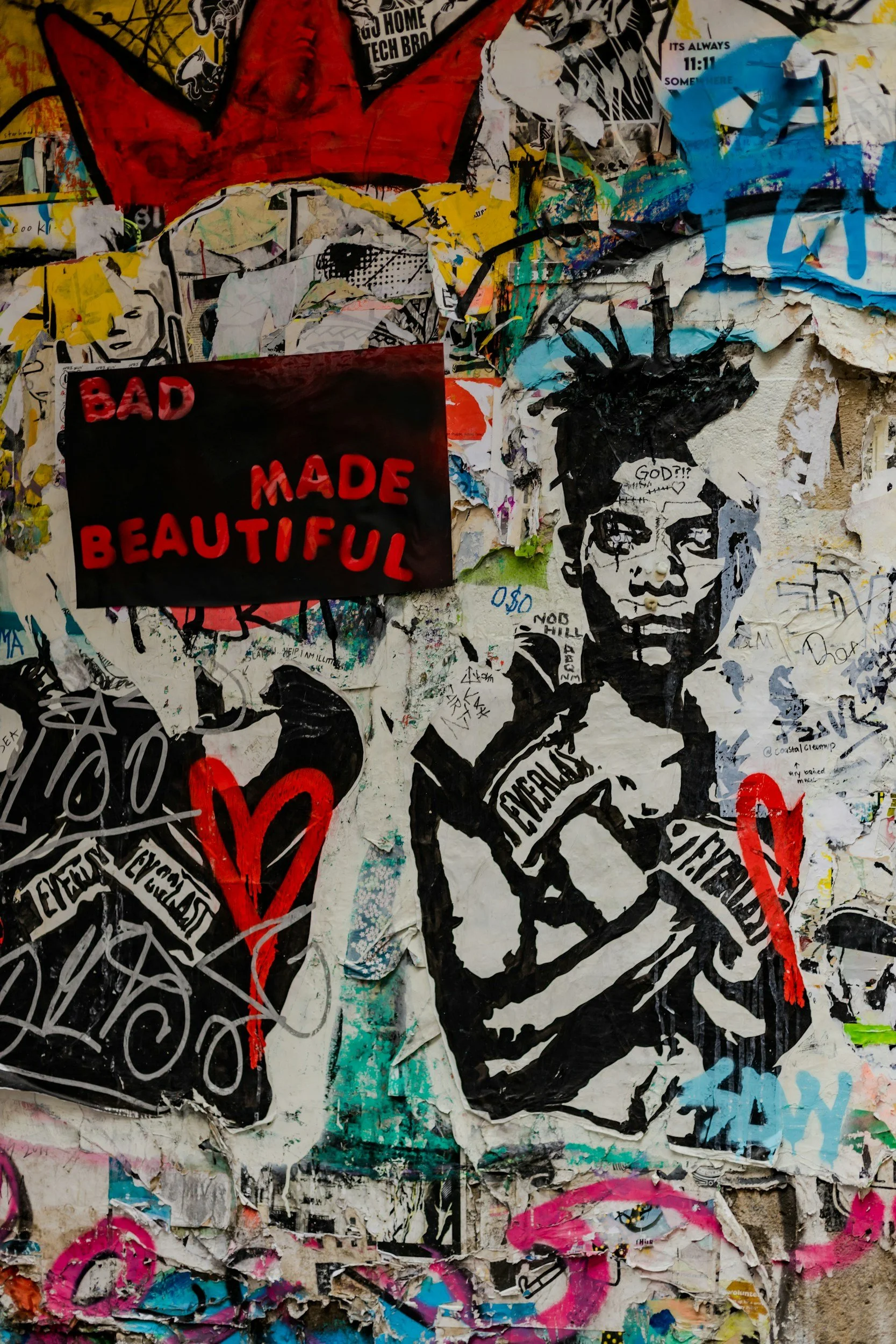
What makes this language of the streets so compelling is its accessibility. Unlike galleries or museums, which often carry invisible codes of behavior and barriers of cost, the street is open to all. The walls demand no ticket, no prior knowledge, no curatorial framing. They simply appear before anyone willing to look. A commuter may rush past, a tourist may stop for a photo, a child may point at the colors with wide eyes. Each encounter is different, but each encounter belongs to everyone. In that way, the city itself becomes the gallery, and its people the audience — and sometimes even the participants.
When walls start to speak, they do not whisper politely. They shout with color, they protest in bold lines, they sing with patterns, they carry grief, joy, anger, humor, and hope. They remind us that art is not confined to silent halls or reserved for the privileged few. It thrives where life happens, in the streets, in the open air, in the everyday. The city, painted and alive, tells us who we are — restless, creative, contradictory — and what we still long to become.
To see more articles visit our section Art.