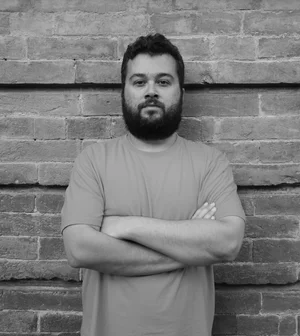
CHRIS VECCHIOLLA
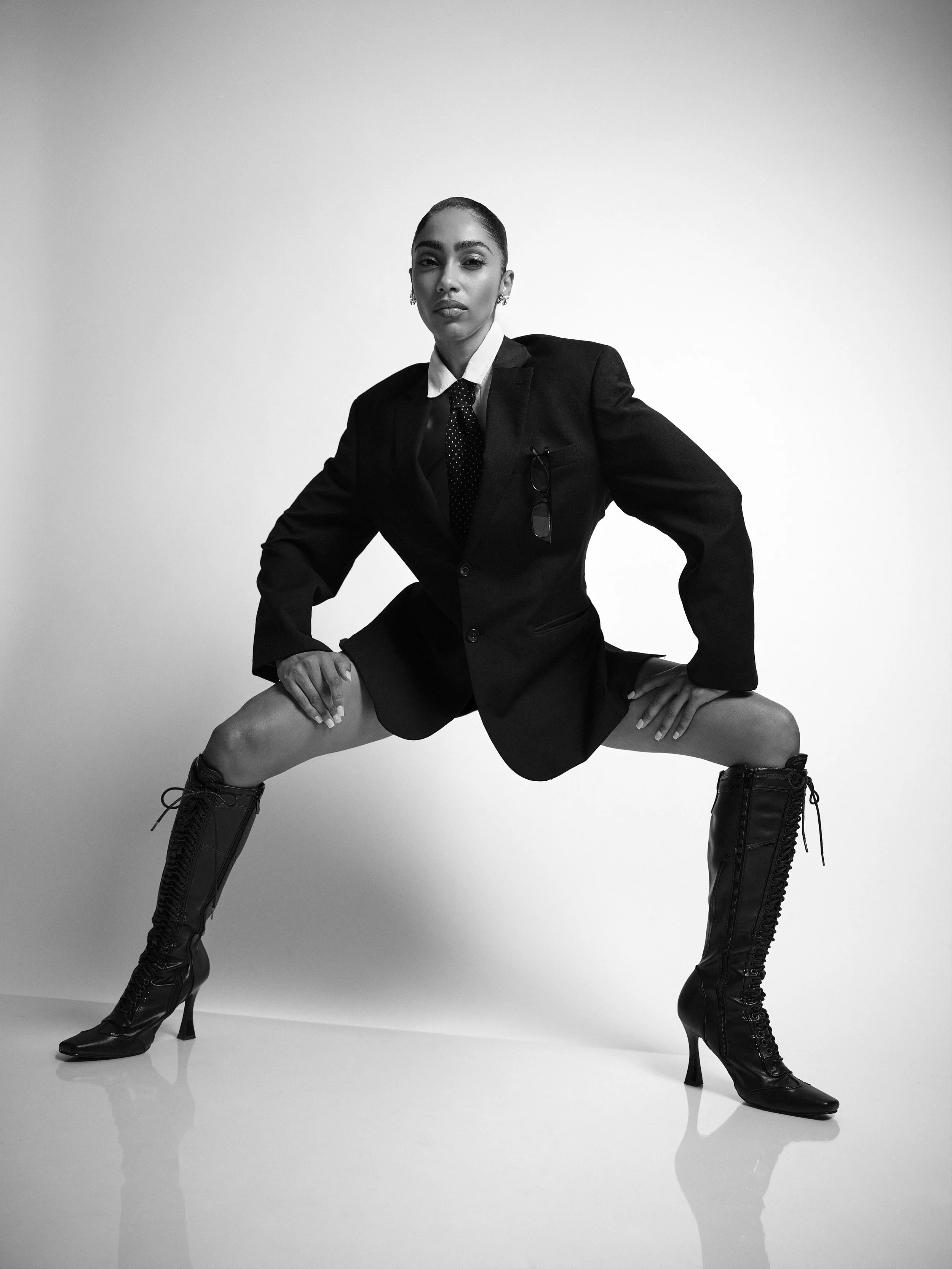
In this interview with Milan Weekly, veteran photographer Chris Vecchiolla reflects on his transformative journey from the vibrant 1980s Miami fashion scene to the digital age, sharing how he masterfully blends the refined discipline of high fashion with the raw authenticity of classic photojournalism.
What initially drew you to this field, and how has your journey evolved since then?
I first became interested in photography during college, when a friend showed me how to develop black-and-white photographs in a darkroom. I found the process fascinating, and that was the beginning of my photographic journey. Even then, I knew I wanted to pursue photography seriously and see where it might take me.
I’ve probably devoted more time and energy to photography than anything else I’ve pursued. I simply wanted to get good at it, understand the craft, and create photographs that people genuinely want to look at. I hesitate to call it a “passion” because that can sound clichéd—but I suppose that’s exactly what it is.
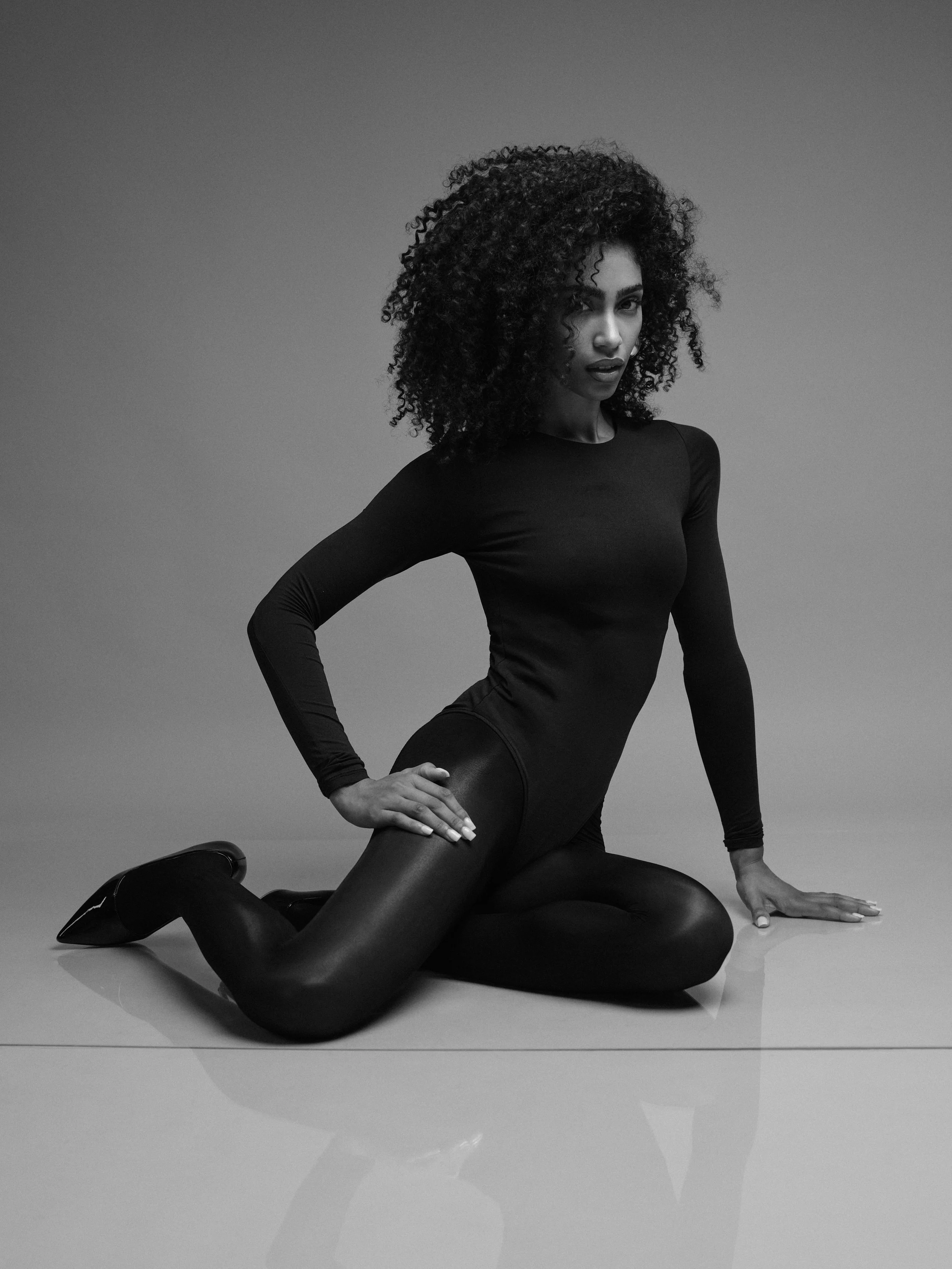
Can you share an important experience that significantly influenced your career or personal growth?
Without a doubt, it was moving to Miami Beach in 1988, when I was 30. Somehow, I found myself at the epicenter of fashion photography at exactly the right moment. It was exciting, exotic, challenging and incredibly visually stimulating. I decided to leave my IT career and become a fashion photographer, although I wasn’t entirely sure how I was going to make that happen.
I approached it with a lot of intensity. I worked as a photographer’s assistant for about three years, which gave me the opportunity to work with and observe talented photographers from around the world. We shot extensively on location, and I traveled throughout Europe, the Caribbean and even North Africa. I learned the craft from the ground up, and eventually a German agency gave me my first opportunity as a catalog and fashion photographer.
From 1990 to 2000, I worked professionally as a photographer in Miami. Many of the things I learned during those years still influence how I work today. It was an extraordinary period of my life. I’m grateful I had the opportunity—and that when it appeared, I ran with it.
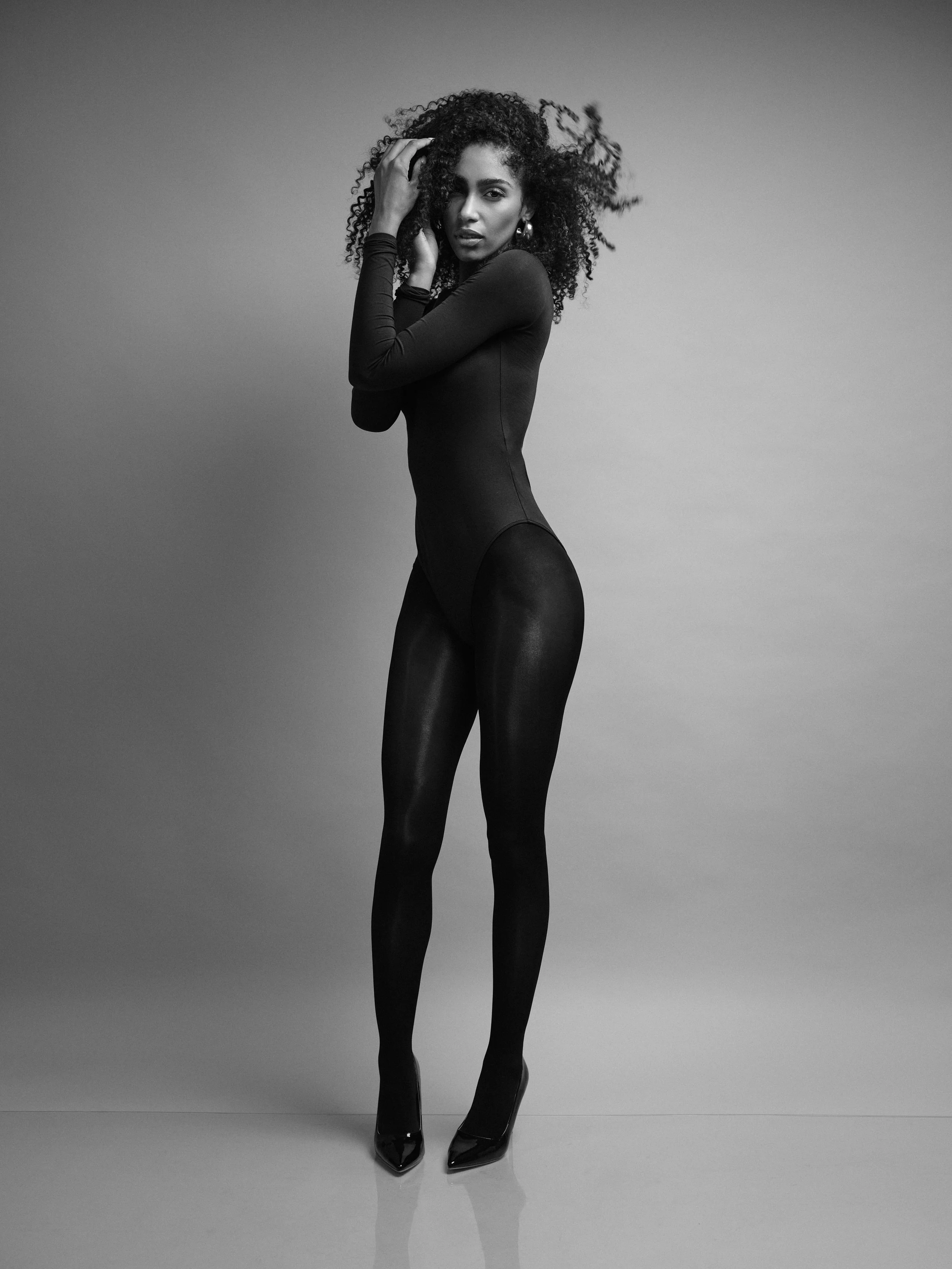
How do you stay creatively inspired and motivated in your work?
I stay creatively inspired by constantly exposing myself to great photography. I have a library of more than 300 photography books, primarily covering two very different genres.
The first genre is fashion photography. I continually return to photographers whose work I consider timeless—Irving Penn, Richard Avedon, Arthur Elgort, Albert Watson, Peter Lindbergh, Ellen von Unwerth and many others. Their photographs remain relevant decades after they were made, and that is something I find very inspiring.
My other great interest is classic photojournalism, particularly the black-and-white work from roughly the mid 1930s through the 1970s. Photographers such as Henri Cartier-Bresson, Robert Frank, W. Eugene Smith and Alex Webb, along with the extraordinary photographers of Magnum, created remarkably powerful images with relatively simple equipment. Their photographs feel immediate, intuitive and completely immersed in the moment.
These two worlds are quite different, but I draw something from both—the refinement and visual discipline of fashion photography combined with the spontaneity and authenticity of great documentary photography. I’m constantly looking at both, learning from them, and trying to bring some of those qualities into my own work.
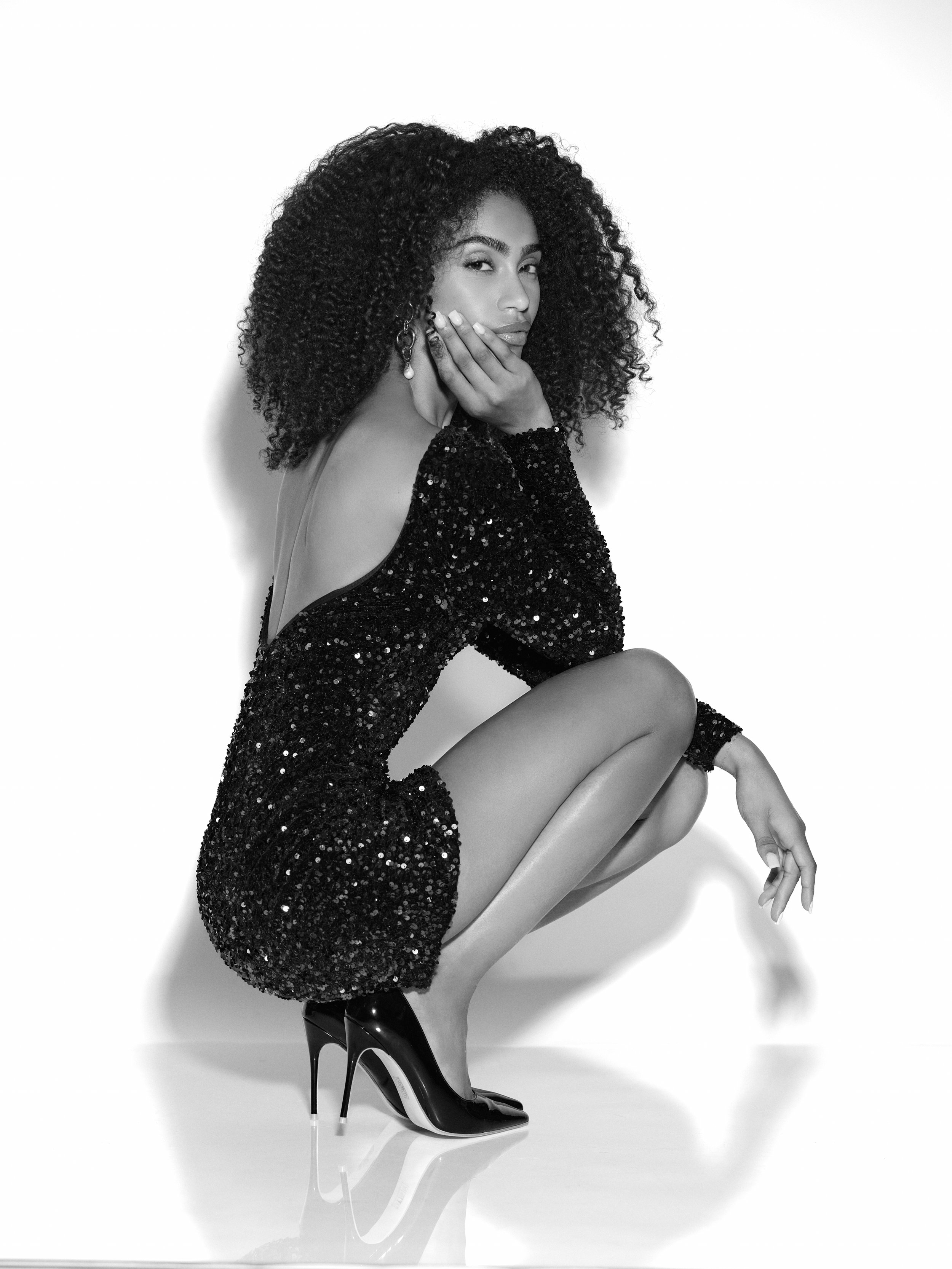
Who has been a major influence or mentor in your life, and what lessons have they imparted?
From a purely photographic perspective, Australian photographer Peter Coulson has been a significant influence. He’s an outstanding photographer with exceptional technical expertise, but what I particularly admire is his understanding of people and how to work with models. His educational content is also consistently excellent.
I had the opportunity to attend a three-day seminar in NYC with Peter and have spoken with him periodically since then for advice. He’s a great guy and very direct—he tells it like it is. He gives you the advice you need to hear, not necessarily the advice you want to hear. I’ve always respected that approach, and it’s something I try to apply to my own work.
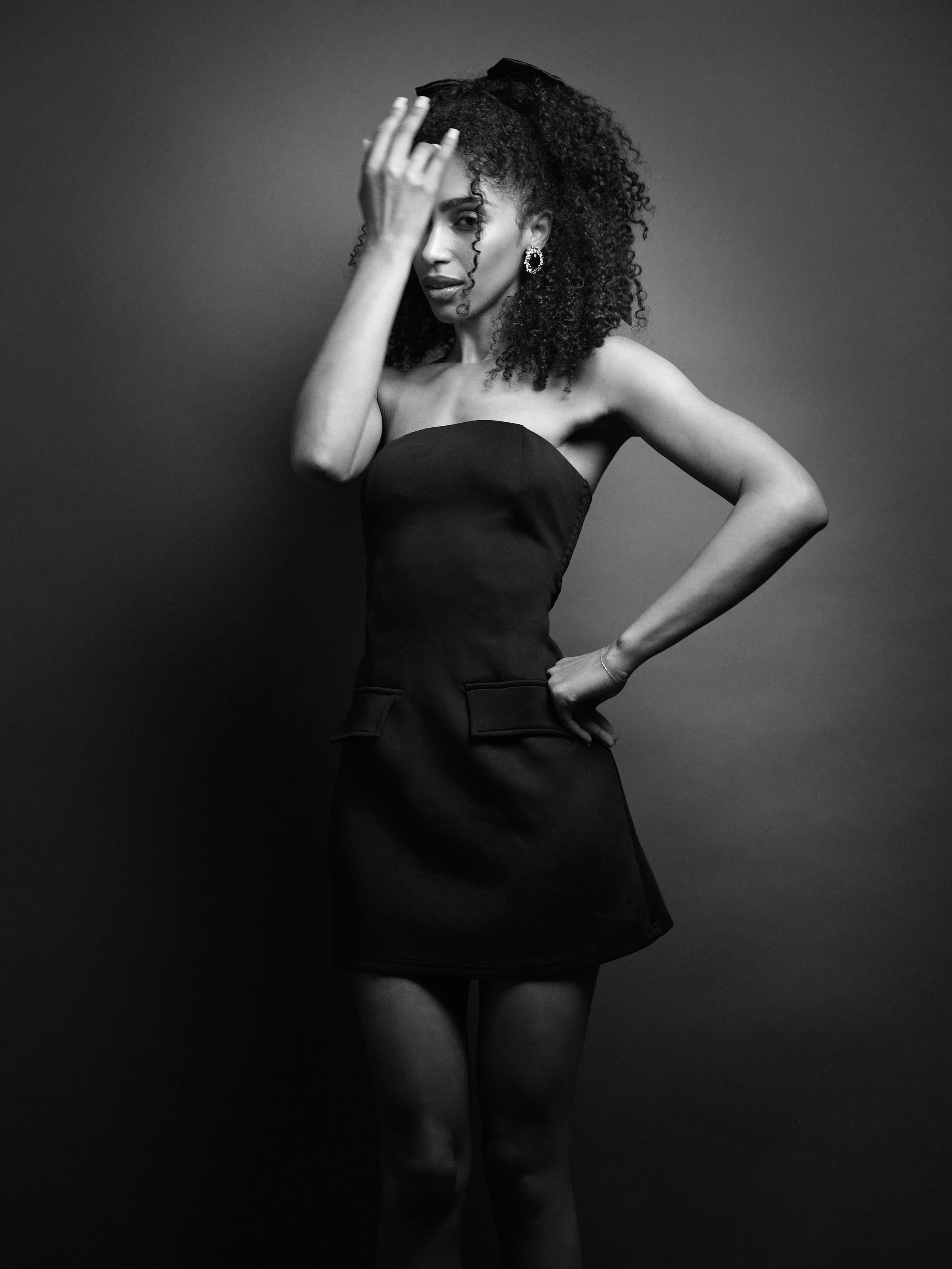
Can you recount a turning point or milestone in your career that was particularly significant?
There have been many formative events in my photographic career, but one of the most significant was the transition from film to digital photography. In the ensuing 25 years, digital photography has evolved at an extraordinary pace. Today, an individual photographer has access to an enormous range of creative and technical tools that simply didn’t exist when I started.
That potential comes with a responsibility to continually learn and master new skills. Fortunately, I have a strong technical background, so I enjoy that part of the process and find it relatively natural.
But after all that technological change, I’ve come back to something very simple: there is no substitute for the fundamentals of good photography. No amount of post-processing can turn a bad photograph into a great one, and genuine feeling and emotion from a model can only be captured in the moment. You can’t create that later in Photoshop.
What book, movie, or artistic work has significantly shaped your worldview or professional approach?
That’s a difficult question to answer, so I’ll respond with a little humor. In 1993, I took a four-month solo trip through Europe, traveling primarily by train. I wanted to visit every major European city that was a center for photography—Paris, Milan, London, Madrid… all of them…in Europe—to decide where I wanted to spend some time and pursue my work.
I had a lot of hours to fill on trains, so my original plan was to study French and read self-improvement books. That lasted about three days. Instead, I spent the next four months reading and rereading Jack Kerouac’s “On the Road” and listening to the Grateful Dead’s “Europe ’72” album. I know every note!
I’m glad I made that choice. Sometimes exploration is more valuable than self-improvement.
By the way, I picked Paris as the place to be—and I loved it.
How do you find balance between your professional responsibilities and personal well-being?
I try never to think about more than three things at any one time. That seems to be about all my mind can keep track of effectively. So every morning, while I’m having coffee, I identify three reasonable things I can do that day that will be useful. Most of the time they’re related to photography, although sometimes there’s simply other stuff that needs to get done.
I try to accomplish those three things in the morning or early afternoon, while I still have the energy and focus. I do that Monday through Friday, and then largely let my mind relax on Saturday and Sunday.
It’s a very simple system, but if you do it consistently over a long period of time, the results compound. You get a surprising amount of useful work done, you continue making progress, and you don’t have to spend your entire life thinking about everything you should be doing.
If you could collaborate with anyone, past or present, in your field, who would it be and why?
If I could have one wish granted, I’d love to sit down in a café in Paris with any one of the great photographers, have a cup of coffee, and simply talk about photography for two hours. Imagine having that conversation with Henri Cartier-Bresson, Peter Lindbergh, Albert Watson or W. Eugene Smith.
In fact, I’d be happy to have that conversation with almost any of the photographers whose books are sitting in my library. I’d want to hear how they thought, how they approached their work, what they learned along the way, and probably ask a lot of questions.
Oh well, I suppose some conversations can only happen in your imagination!
Looking toward the future, what are your major new goals or aspirations, both personally and professionally?
I really only want to do two things.
First, I want to continue envisioning, organizing and shooting cohesive editorial stories and getting them published. Fortunately, magazines like Milan Weekly and submission platforms like Kavyar have created a mechanism that allows independent photographers to do exactly that.
Second, I’d like to develop relationships with a few high-end women’s apparel clients and photograph for them on a regular basis, preferably on location. I really enjoy that kind of work—the combination of fashion, people, interesting locations and creating a strong series of images together.
If I can continue doing those two things over the next few years, I’ll feel very satisfied with what I’ve accomplished.
Aside from your professional work, what passions or interests do you pursue?
I don’t watch TV at all. I’m a voracious reader and can easily go through a 500-page book in three days. I read just about everything—history, art, science, philosophy, autobiography, spy novels and the classics. I get a lot of ideas from books, and I think reading is one of the best ways to continually enrich yourself and expand the way you think.
I’ve also been playing guitar since I was 18. It’s a welcome diversion and gives my mind somewhere completely different to go when I’ve spent too much time thinking about photography and work.
What piece of advice would you offer to someone aspiring to make a mark in your field?
This is the same advice I give my daughter, and really anyone who asks: make sure you love what you’re doing. Work is going to consume a large part of your waking hours, and you’re going to be doing it for a significant part of your life. If you dislike it, you won’t be happy.
Think seriously about what you enjoy, where your natural skills and inclinations are, and hopefully find a way to earn a living that connects those things.
A good friend once made a simple comment during a conversation: “If it’s not fun, I don’t do it.” Obviously, none of us can live our entire lives that way, but I’ve always thought there was a lot of wisdom in it.
Have you ever been to Italy? In case, did you like it?
My last name is Vecchiolla, I’m of Italian heritage, and yes, I’ve been to Italy a number of times. I love it! I’ve visited Rome, Milan, Venice, Naples, and the entire Amalfi Coast.
I haven’t yet seen Tuscany, Sicily or the Italian Alps, and I’d very much like to visit all of them sometime in the future. There’s still a lot of Italy left for me to explore.
So the answer to your question is “yes,”, I’ve been to Italy—and “yes”, I really, really like it!
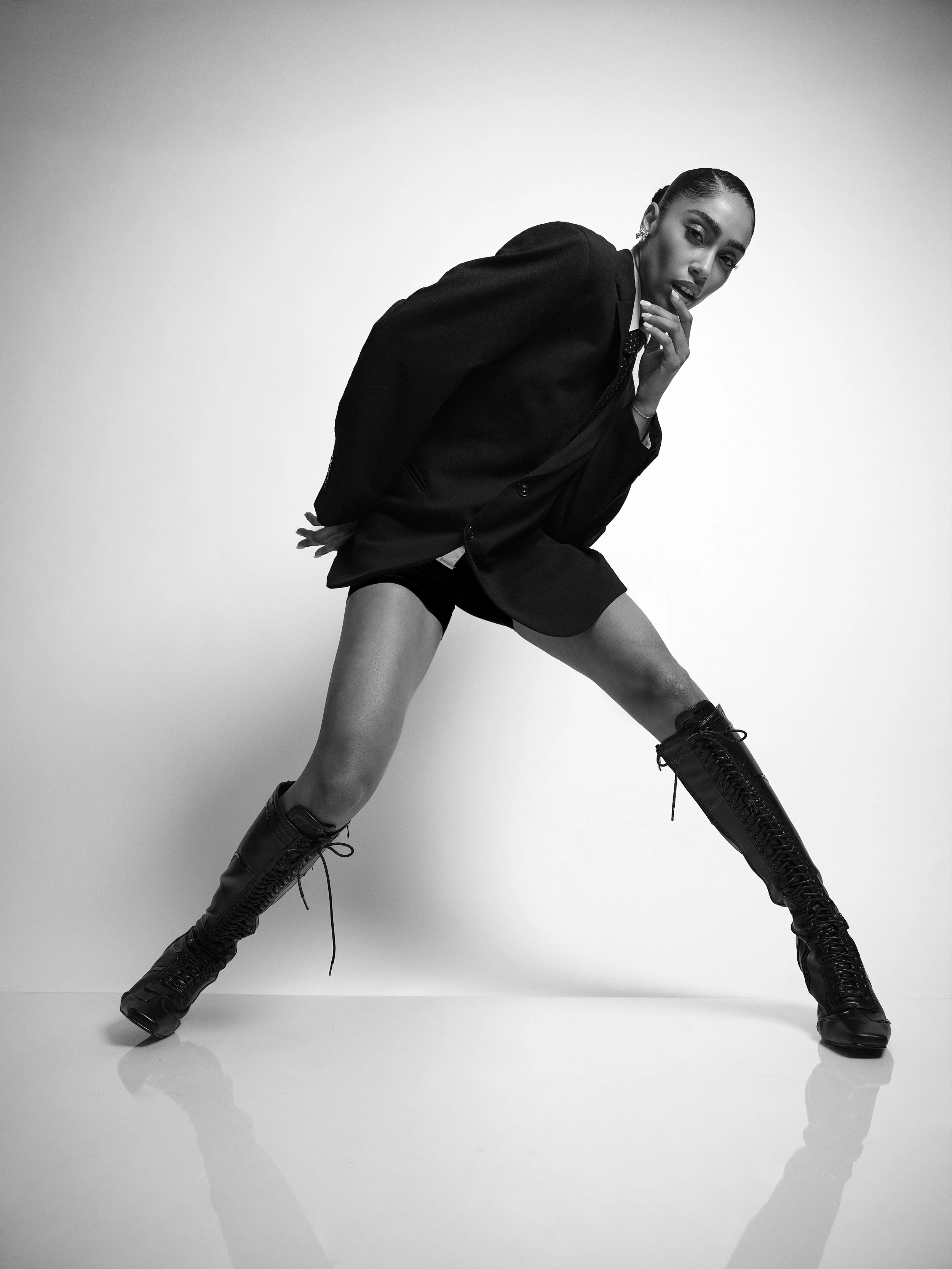
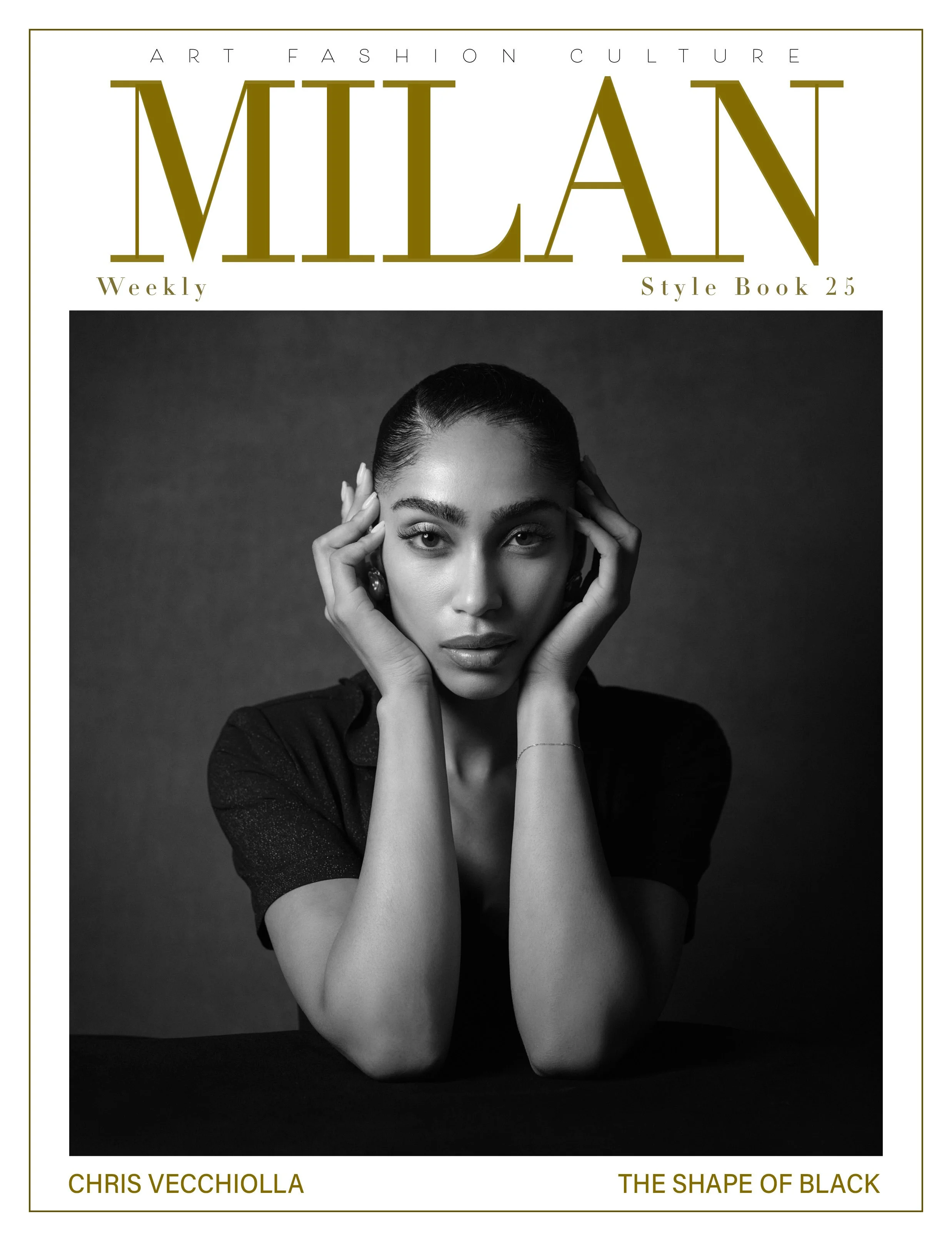
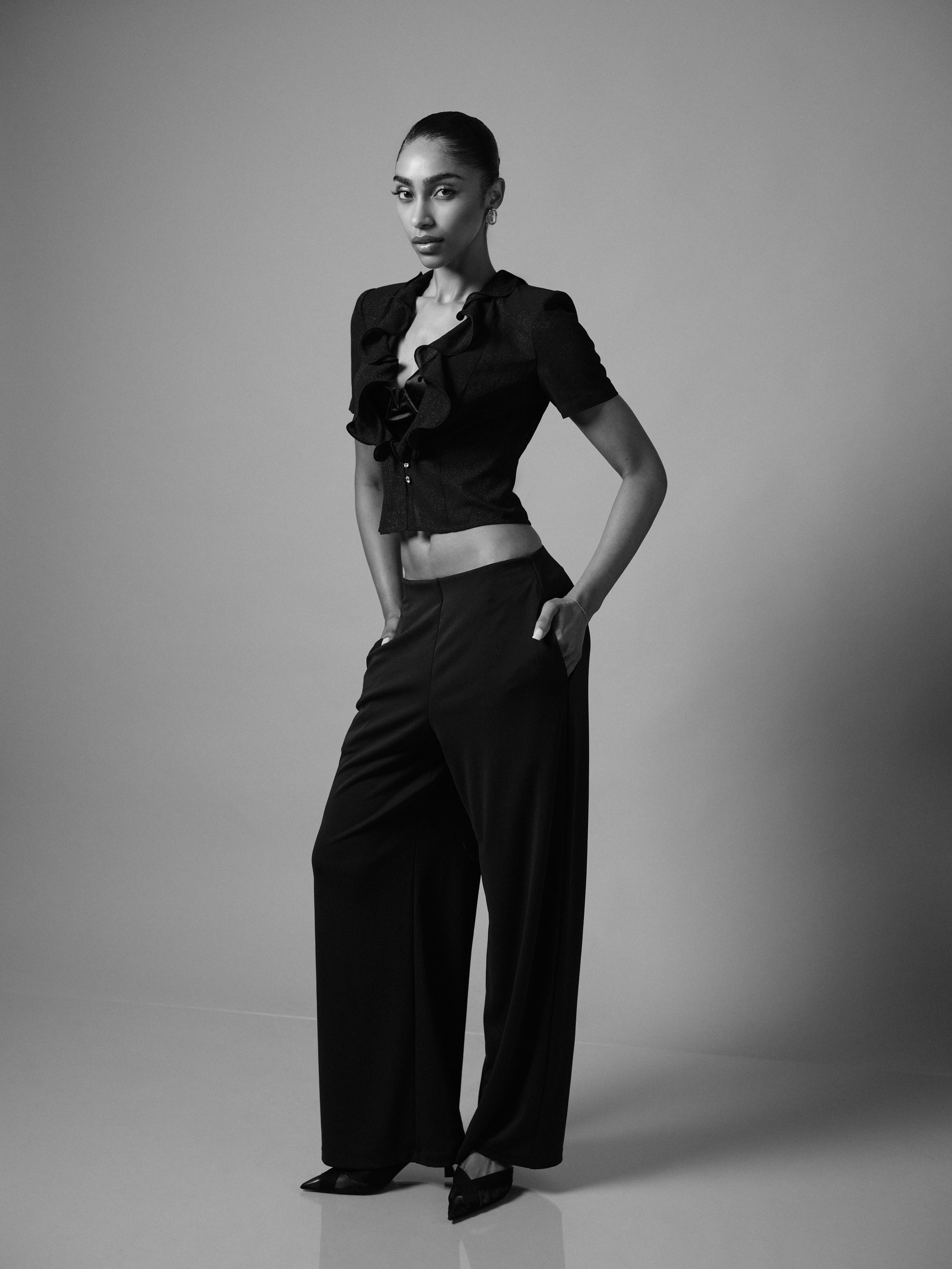
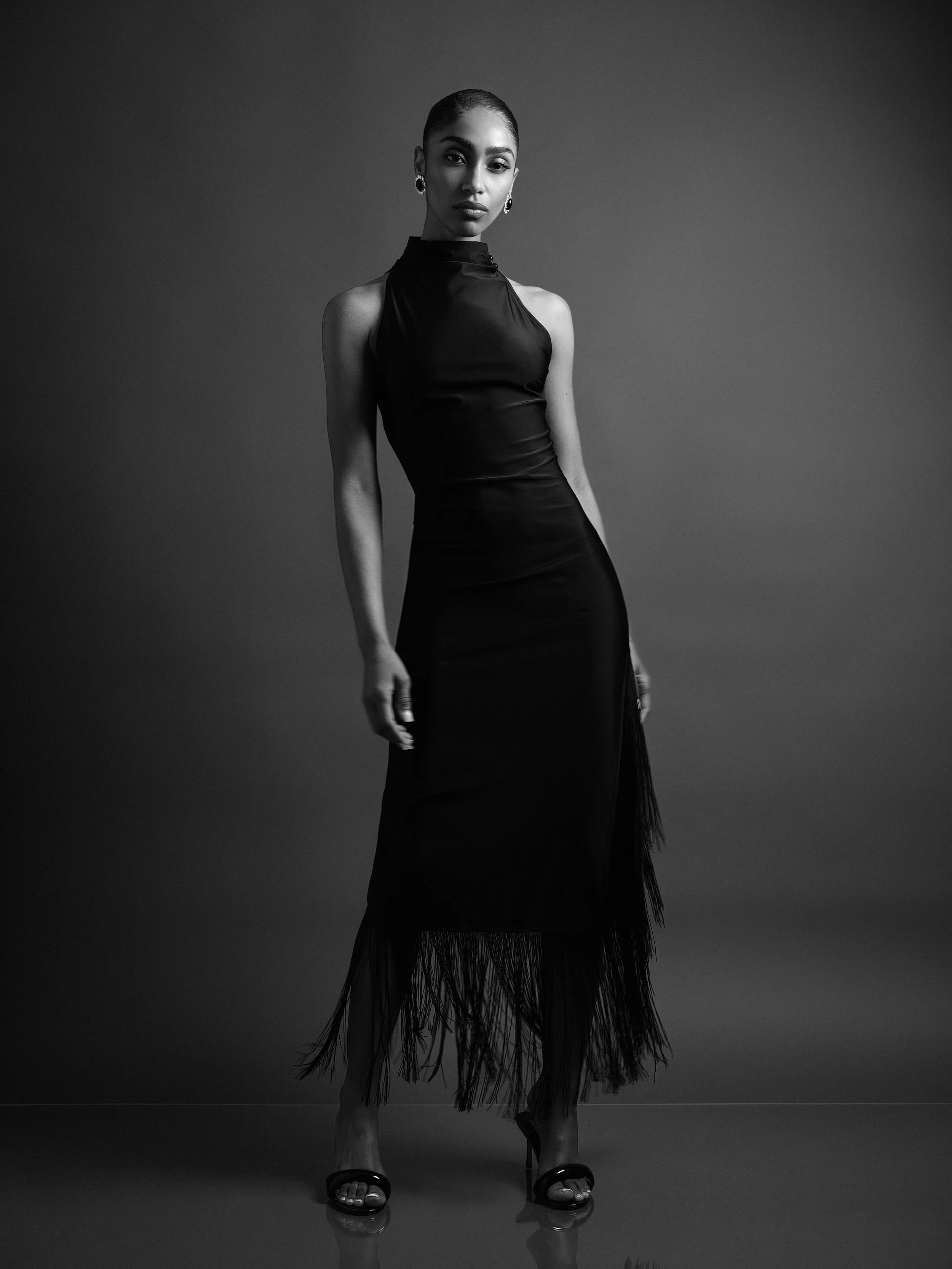
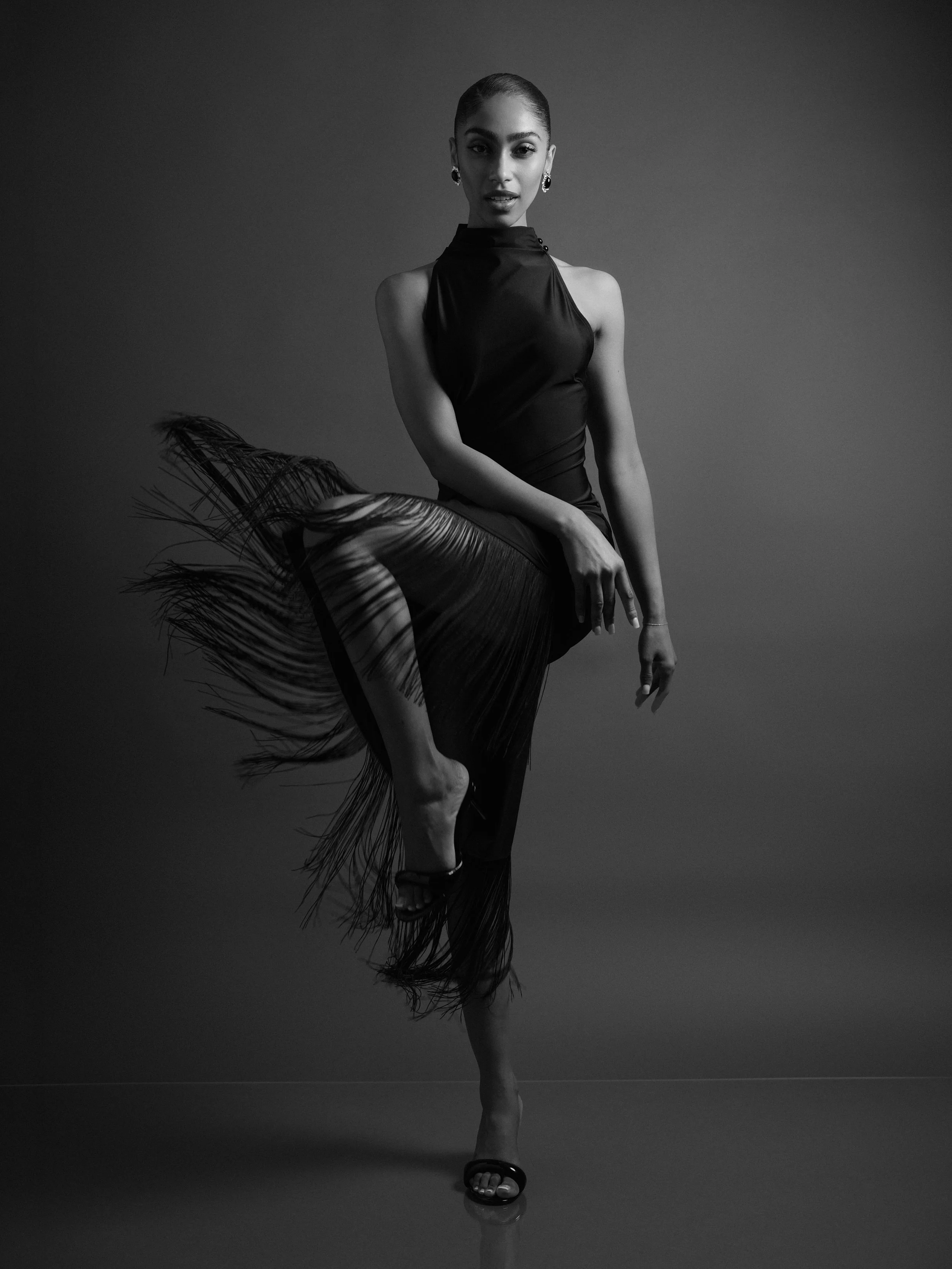
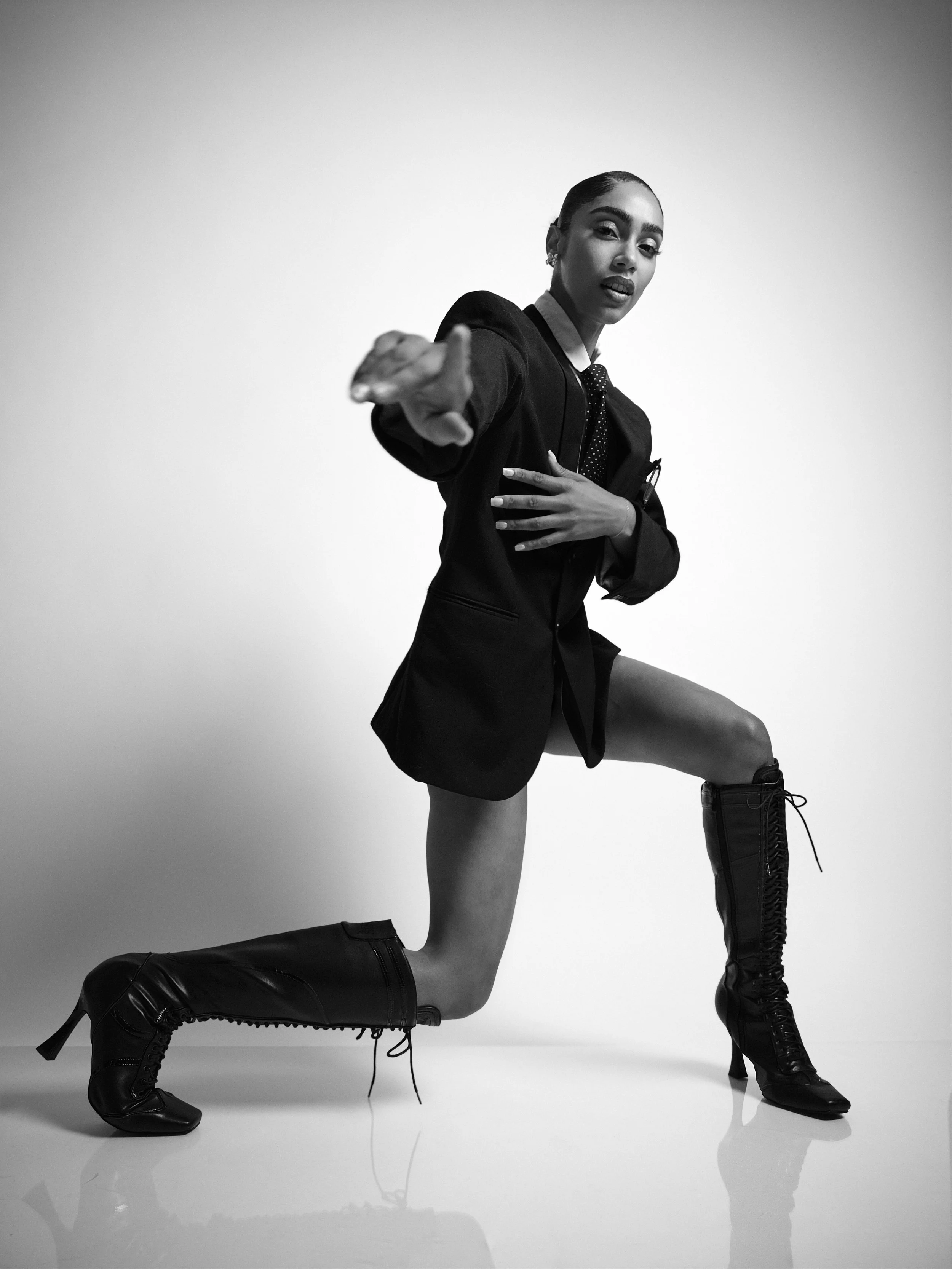
Photographer: Chris Vecchiolla @chrisvecchiolla
Model: Eliane Cabral @Maggie Inc @itseliane
Wardrobe Stylist: Sabrina Hollander @sabzthestylist
Makeup Artist: Susan Fossa @susanfossamakeup
To see more insiring articles visit our section Style.