FIRAT ZAN
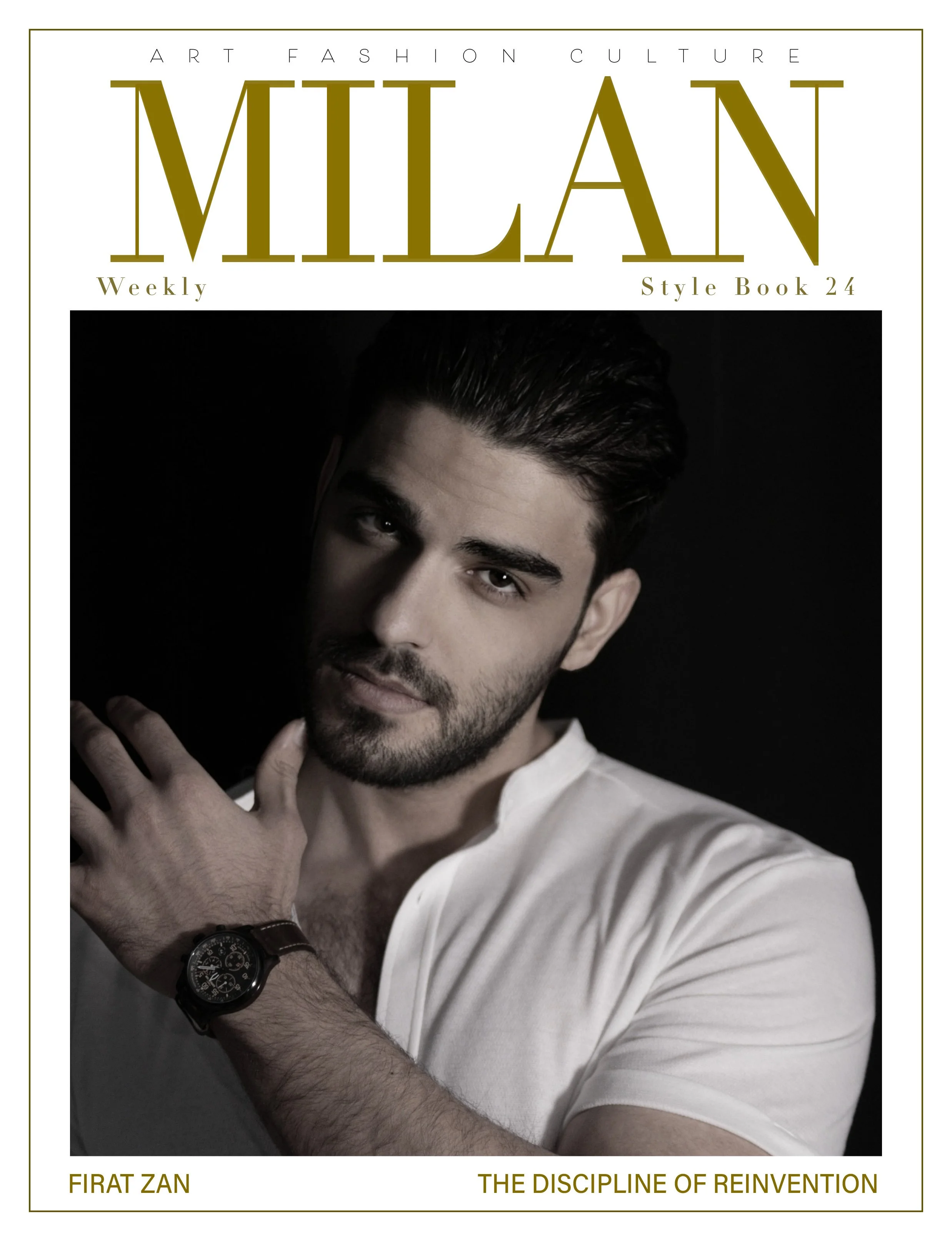
There is a certain kind of confidence that does not need to announce itself. For Turkish model and entrepreneur Firat Zan, strength has always been more about constant discipline rather than for show.
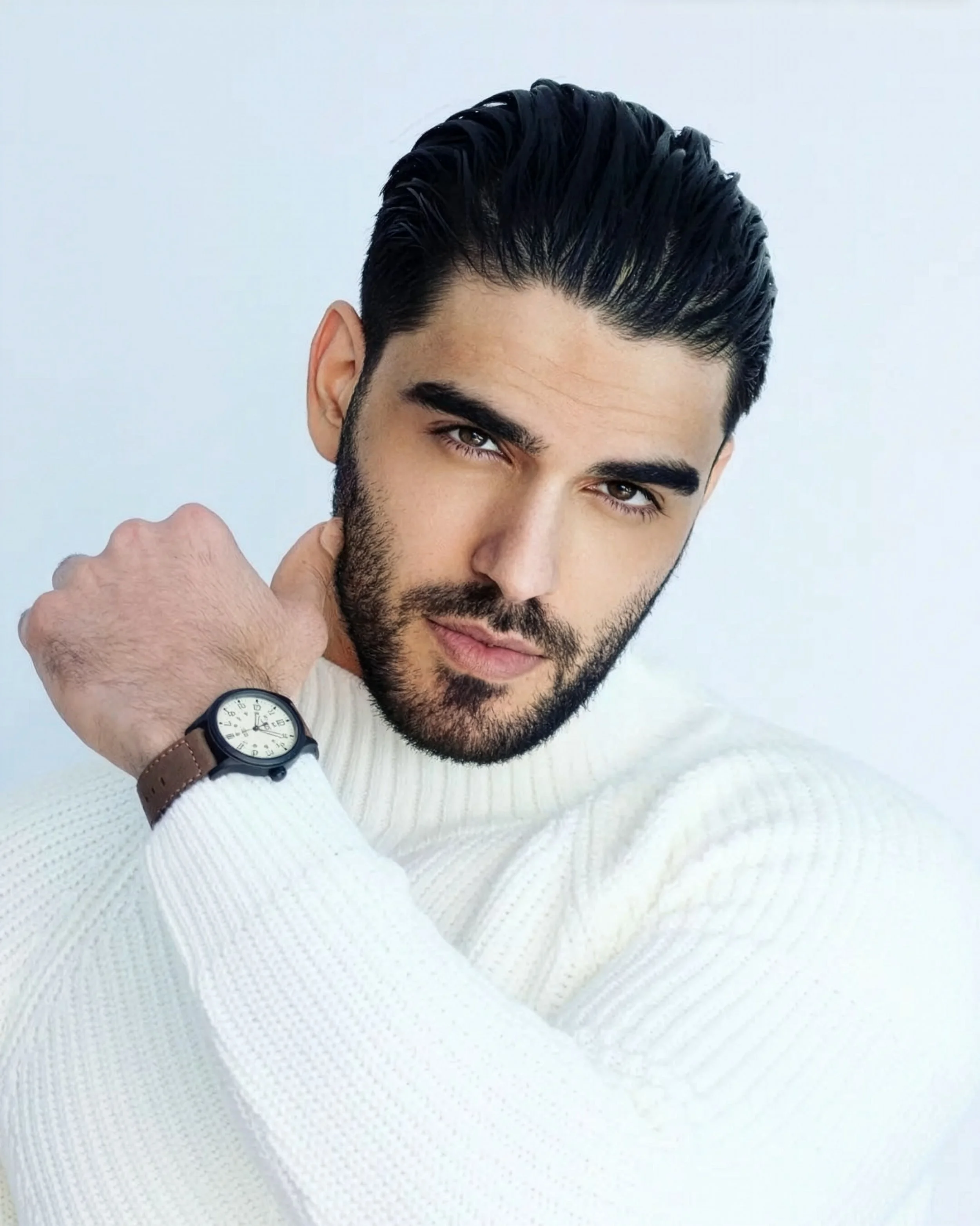
Standing 1.90 metres tall and weighing 97 kilograms, Zan carries the unmistakable physical presence of someone whose relationship with training extends far beyond appearance. Competitive sport introduced him to discipline early. Fitness and modeling later transformed that discipline into a visual identity that reached an international audience online.
But rather than remaining inside a single identity, Zan kept moving. Entrepreneurship and real estate followed, eventually taking his life beyond Türkiye and into Dubai. Today, dividing his time between Alanya and Dubai, he is returning to the creative world with a different perspective. He is more experienced, more selective and increasingly interested in acting.
In this conversation with Milan Weekly, Fırat Zan speaks about masculinity, beauty, ambition, reinvention, the discipline behind his image, and why he believes the next chapter of his career may be the most interesting one yet.
Your career has moved through sport, modeling, social media, entrepreneurship and real estate. When you look back, where do you feel the story really began?
I think it began with sport, because sport gave me the mentality that everything else was built on.
When you train seriously, especially when you are young, you learn very quickly that results do not care about your mood. You either show up consistently or you don’t improve. That stayed with me.
Later, fitness became a major part of my life and eventually led me toward modeling and social media. My images started reaching a very large international audience, and suddenly something I had initially approached as a personal interest became part of my professional identity.
From there, life kept evolving. I became more interested in business and investment, particularly real estate, and that eventually became a major focus for me.
So the industries changed, but the mentality never really did.
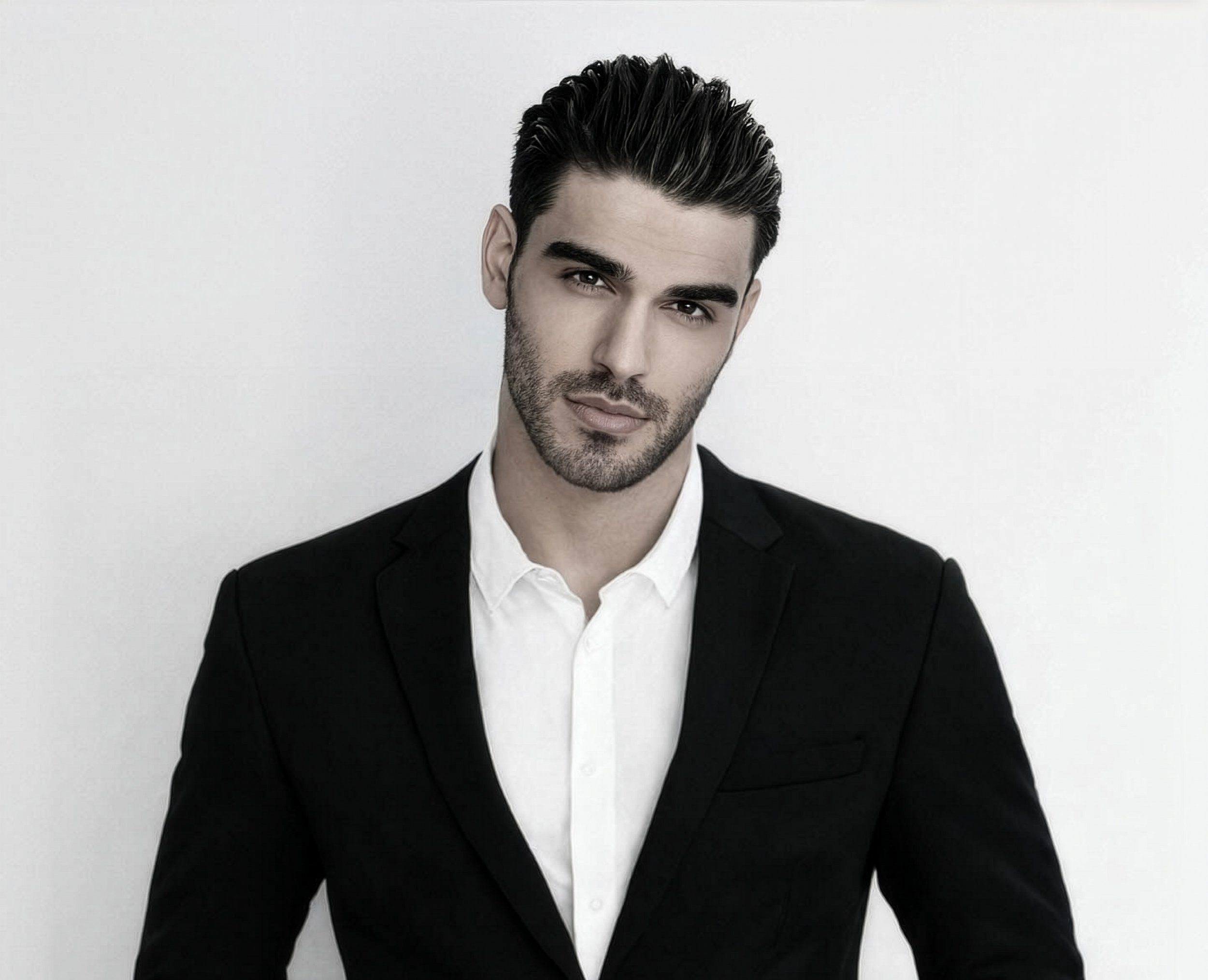
Your physical presence has been an important part of your public identity. At 1.90 metres and 97 kilograms, maintaining that kind of shape clearly requires consistency. How much of it came naturally, and how much was built through discipline?
Genetics obviously play a role in every physique, but genetics without discipline don’t mean very much.
People only see the photo. They see the result, but not the years behind it. The discipline, the sacrifices, the countless hours of training, and the days when giving up felt easier than pushing forward. What they don’t see is the mindset that refused to quit. The days you trained when you didn’t feel like it, the meals you stuck to when no one was watching, the recovery, the repetition, and all those ordinary days when nothing seemed to change.
Because growth doesn’t happen in a single moment. It’s built quietly, day after day, through the decision to keep showing up, keep learning, and keep becoming better, even when no one is there to see it.
That mindset became useful far beyond the gym.
You built a large social-media audience relatively early. What did that experience teach you about fame and attention?
That attention is temporary. Social media can make you believe that numbers are everything. One photograph takes off, another barely gets noticed. One year, everyone is talking about one platform; a few years later, they’ve moved on to something else.
If your sense of self-worth rises and falls with those numbers, you give them control over you. Your confidence becomes dependent on likes, views, followers, and the attention of people who may forget about you tomorrow.
I was fortunate to experience a significant amount of visibility on social media relatively early. And in the end, I think that taught me something valuable: attention is not the same as worth. Numbers can change overnight, but they don’t define who you are.
Once you understand that, you stop chasing visibility and start focusing on becoming someone you’re proud of, even when nobody is watching. Recognition is useful. Independence is more valuable.
At one point you stepped further into business and real estate rather than pursuing modeling full-time. Why?
I have always tried to think long term. Modeling is creative, and it’s something I genuinely enjoy. But I never wanted my entire financial future to depend on how I looked or on someone else deciding whether I was the right fit for a campaign.
Business gave me a different kind of freedom. The freedom to build something that wasn’t dependent on appearance, trends, or someone else’s approval. Real estate, in particular, caught my attention because it’s tangible. You can study a market, understand the numbers, make informed decisions, and slowly build something that grows over time. That path eventually led me to Dubai, and being there changed my perspective in ways I didn’t expect. I started thinking beyond my immediate surroundings and realized that the opportunities weren’t limited to one city or one country.
It became less about thinking locally and more about thinking internationally, building for the long term, and creating a future that doesn’t depend on a single path.
The interesting thing is that business ultimately gave me the freedom to return to creative work on my own terms.
Today, if I choose to model or eventually take on an acting project, I can do it because I genuinely believe in the project and want to be part of it—not because I desperately need the job or have no other choice. And that changes everything. When you’re not dependent on an opportunity, you’re free to choose the ones that truly matter to you. You can say yes because you want to, and no because it doesn’t feel right. For me, that is what real freedom looks like: having the ability to create because you love it, not because you have to.
Why return to fashion and editorial modeling now?
Because I think I understand myself better now. I’m entering this chapter of modeling with far less need to prove myself. I no longer feel the pressure to constantly show what I’m capable of or seek validation through every photograph. I can simply focus on the work, enjoy the process, and create without needing anyone’s approval. Ironically, letting go of that need to prove myself may be what makes the photographs stronger.
As you get older, something changes. You have gained experiences. You have won things, lost things, taken risks, dealt with difficult people, built businesses and made mistakes. All of that appears somewhere in your face and your energy. I find that much more intriguing than simply being young. I am approaching this period of modeling with much less need to prove myself. Ironically, that probably makes the photographs stronger.
You have often been described by followers as one of the most handsome and charismatic men in the world. When appearance becomes such a visible part of your identity, how do you relate to that kind of attention?
Of course it’s flattering. I’m human. If somebody says something nice about you, you appreciate it. But I don’t think charisma is simply about having a certain face or appearance. It’s about how you carry yourself when you walk into a room. It’s in the way you speak, the way you listen, and whether you’re comfortable with silence. It’s knowing when to speak and when you don’t need to. t’s also in how you treat people when there’s nothing to gain from them, whether you’re trying too hard to be noticed, and whether there is something real beneath the image.
Because ultimately, charisma isn’t just what people see. It’s what they feel when you’re around and what remains after you’ve left the room. Appearance can attract attention for a few seconds. It cannot hold attention forever. So if people see me as handsome, thank you. But if they see strength, character or charisma as well, that means more to me.
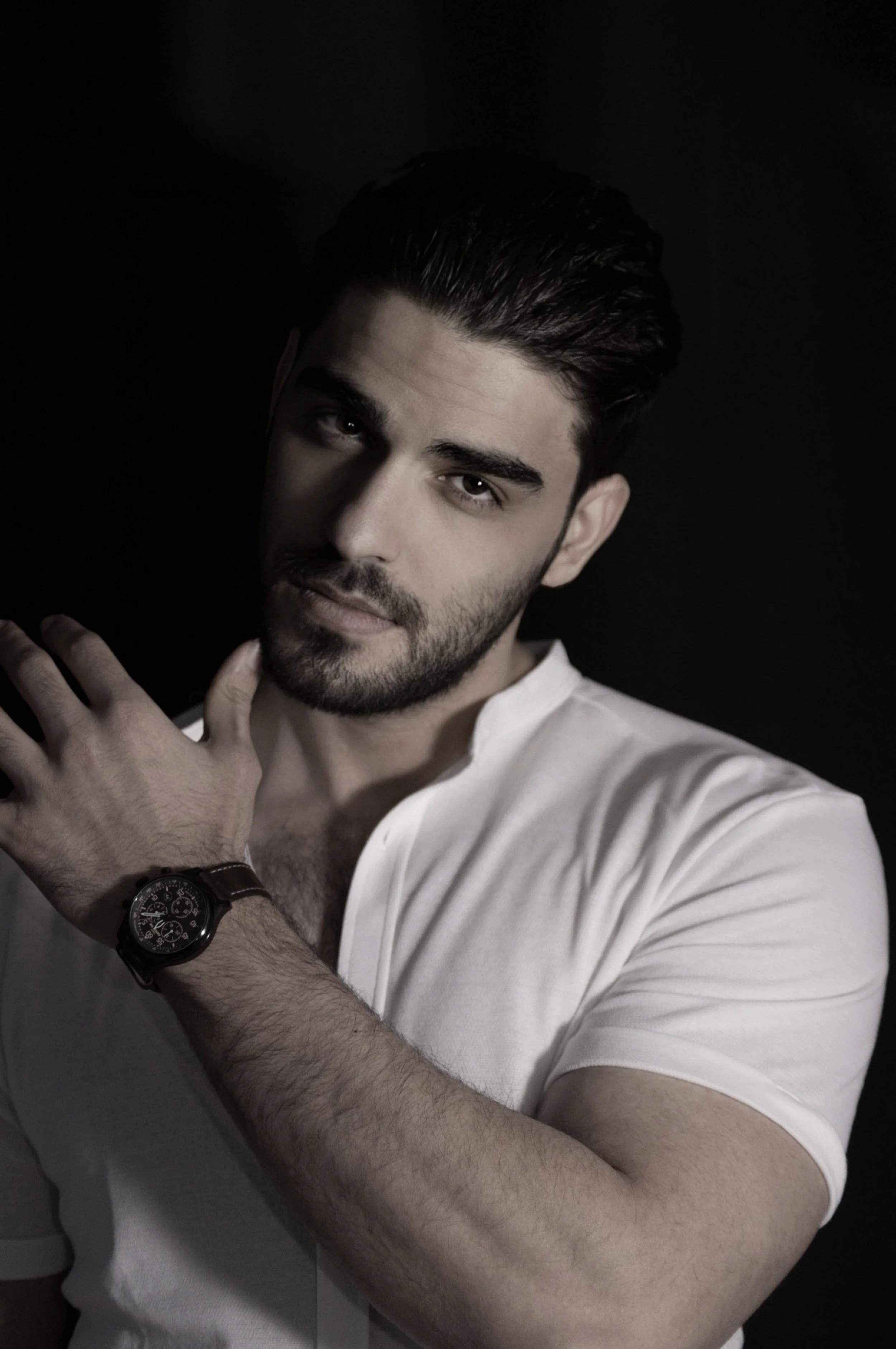
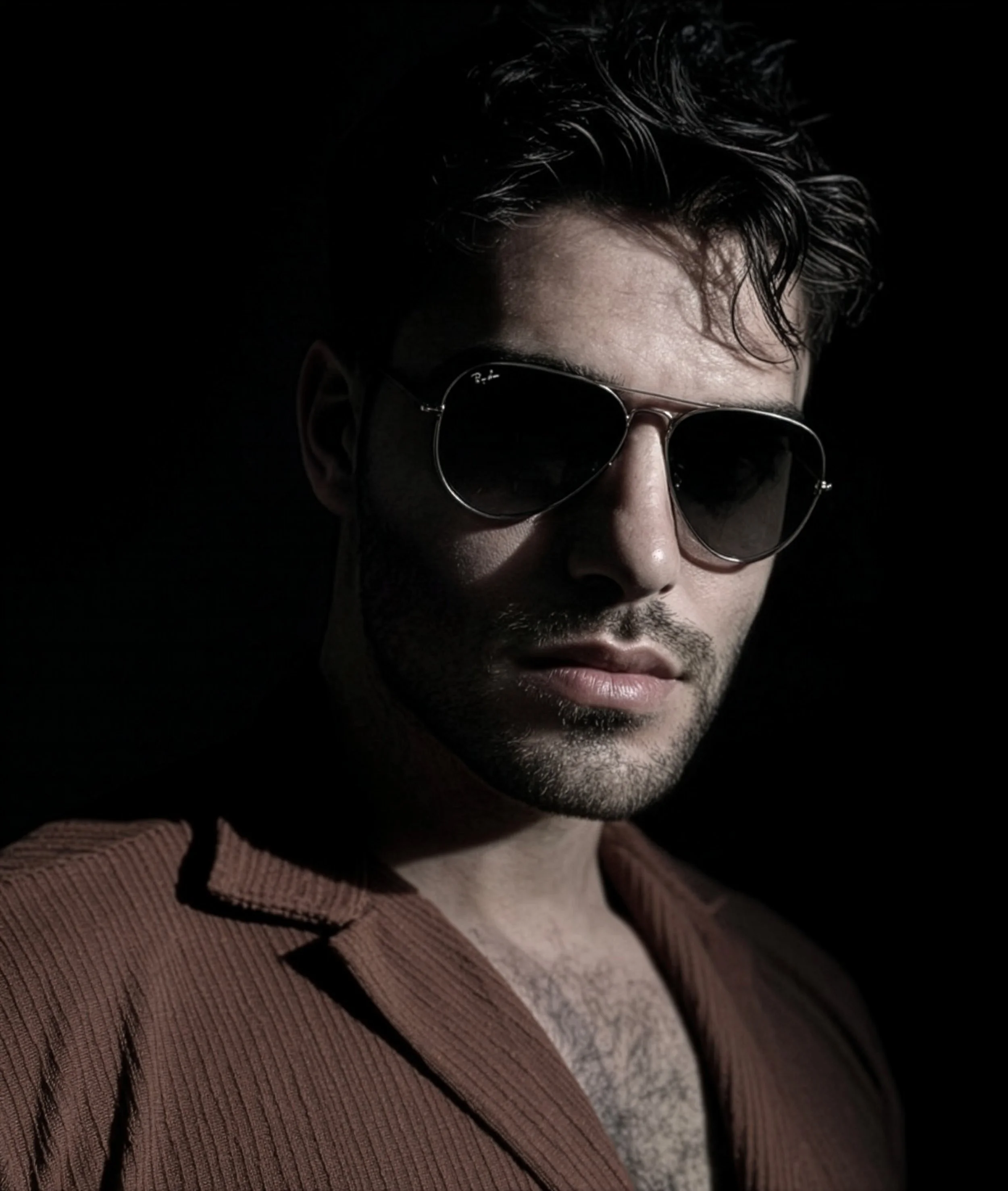
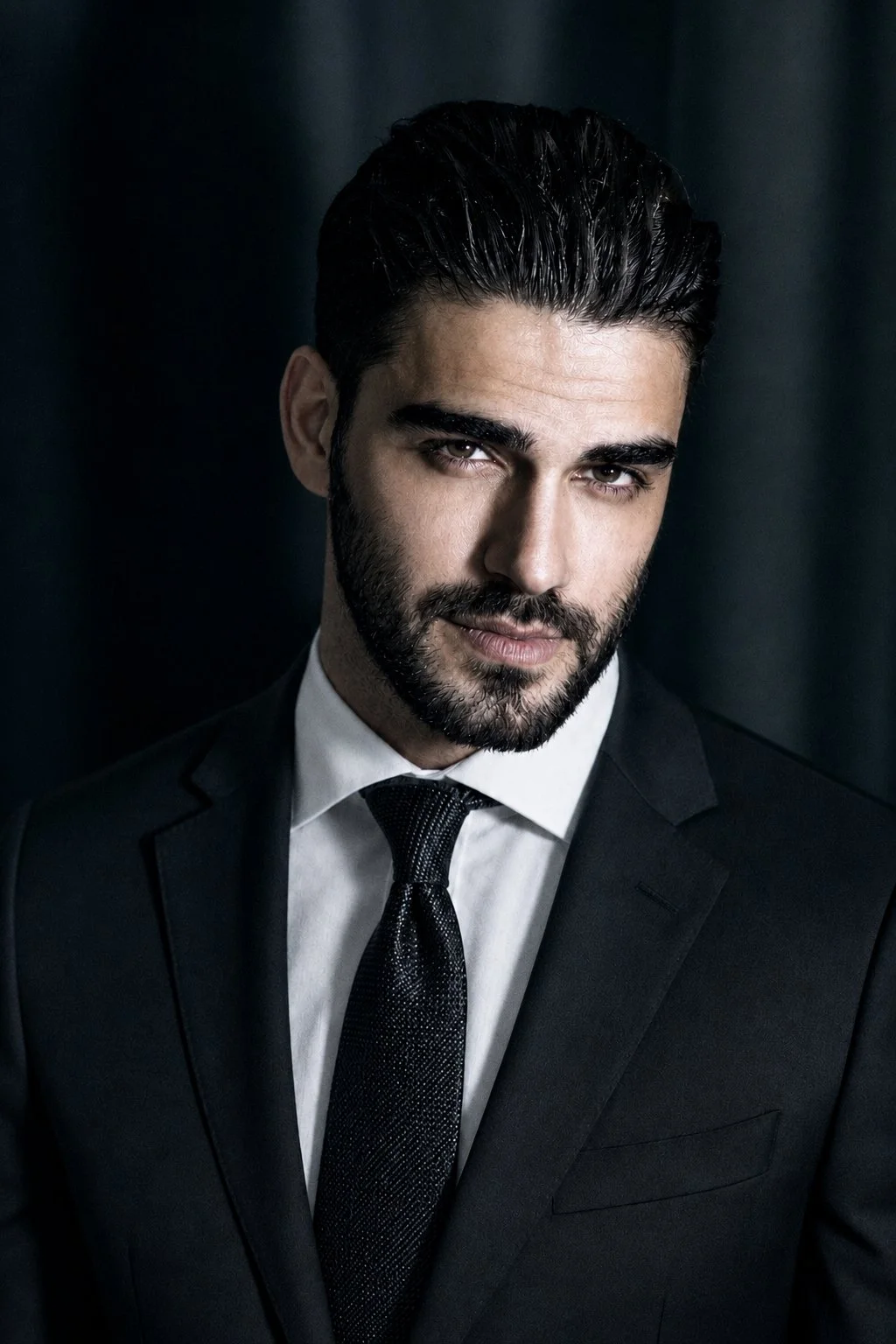
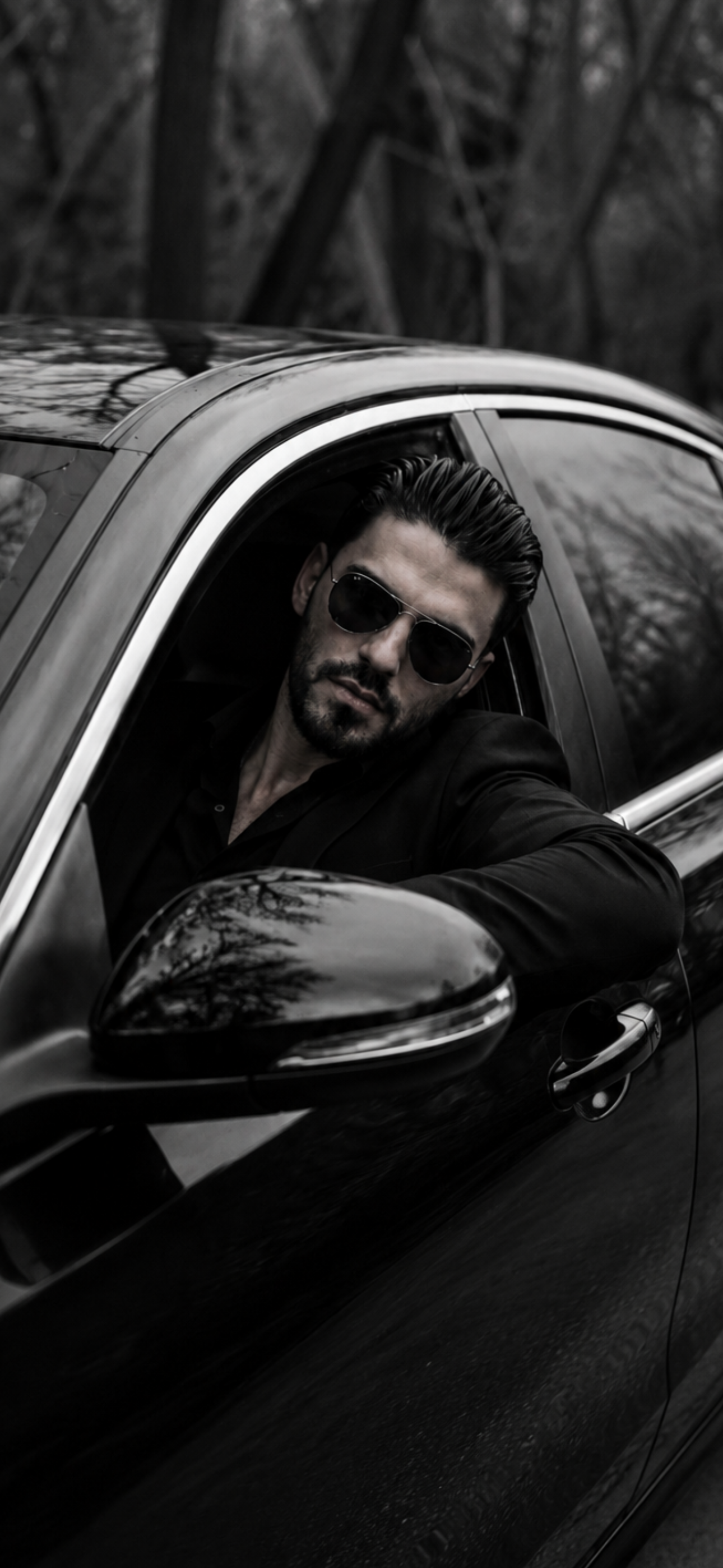
Your recent imagery feels less like traditional fitness modeling and more cinematic, with black tailoring, restrained expressions and darker environments. Is that intentional?
Very intentional. I don’t want every image to demand attention. Sometimes, the strongest image is the one that doesn’t ask for it.
Earlier in my career, the physique itself was often the main focus. Today, I’m much more interested in atmosphere, the feeling an image creates and the story it leaves behind.
A black shirt, a well-tailored suit, simple architecture, controlled lighting, and the right expression can communicate far more than showing everything.
There is a certain power in restraint. As I’ve grown older, my taste has become more minimal. I’m drawn to images that make you wonder what lies beneath the surface images where you feel there is a story behind the person rather than one that tries to explain everything at first glance.
I’d describe it as quiet strength. The power without the need to show it.
What does masculinity mean to you today?
Control. Not controlling other people. Controlling yourself. Being physically strong is easy to display. Real strength is much harder to see. It’s emotional control. Taking responsibility for your actions. Keeping your word when it would be easier not to. Staying calm under pressure and knowing when to speak and, perhaps more importantly, when not to react.
I think real confidence gives you a certain freedom. You no longer feel the need to constantly prove how confident, strong, or capable you are. Because when you truly know your own worth, you don’t need to demonstrate it to everyone else. A man who needs to dominate every conversation or prove himself in every room usually doesn’t look very powerful to me. Quiet confidence is much more powerful to me.
You divide your life between the Mediterranean coast and Dubai. How do those two worlds influence you differently?
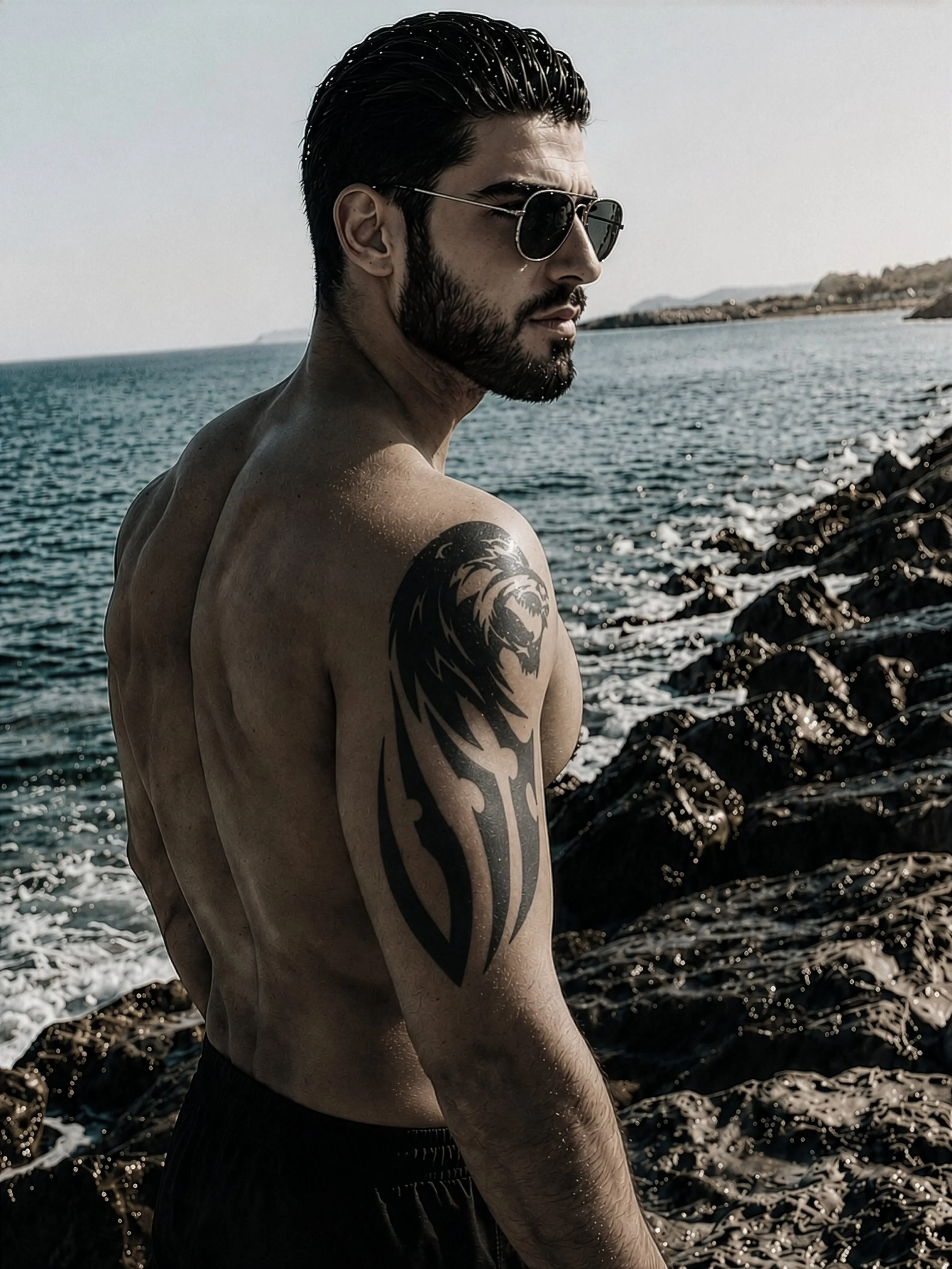
They give me completely different things.Alanya is home. I grew up in that region, so the Mediterranean has always felt deeply personal to me. The sea, the warm weather, the long walks along the coast, it all slows me down and gives my mind room to breathe.
Dubai activates a completely different side of me. It’s international, ambitious, and fast-paced. You’re surrounded by people who have come from all over the world with the intention of building something. That kind of environment naturally pushes you to think bigger, move faster, and look beyond what you already know.
So in a way, I have two different operating modes. Alanya brings me back to myself. Dubai pushes me forward. Turkey reminds me where I came from. Dubai reminds me where I can go. I need both.
You are also known for being extremely disciplined with work. Has ambition ever become too much?
Definitely. Discipline has a shadow side. Once you learn how to push yourself, it’s easy to become too good at ignoring your own limits. There were periods when I worked extremely long hours and treated sleep like something I could afford to sacrifice. But that isn’t sustainable.
I’m still ambitious, probably more than most people around me but I’m learning that efficiency matters more than exhaustion. When you’re twenty, you can mistake being tired for being productive. As you get older, you realize the goal isn’t to look busy or prove how hard you can work. The goal is to build a life that actually works. My definition of discipline has become more intelligent with age.
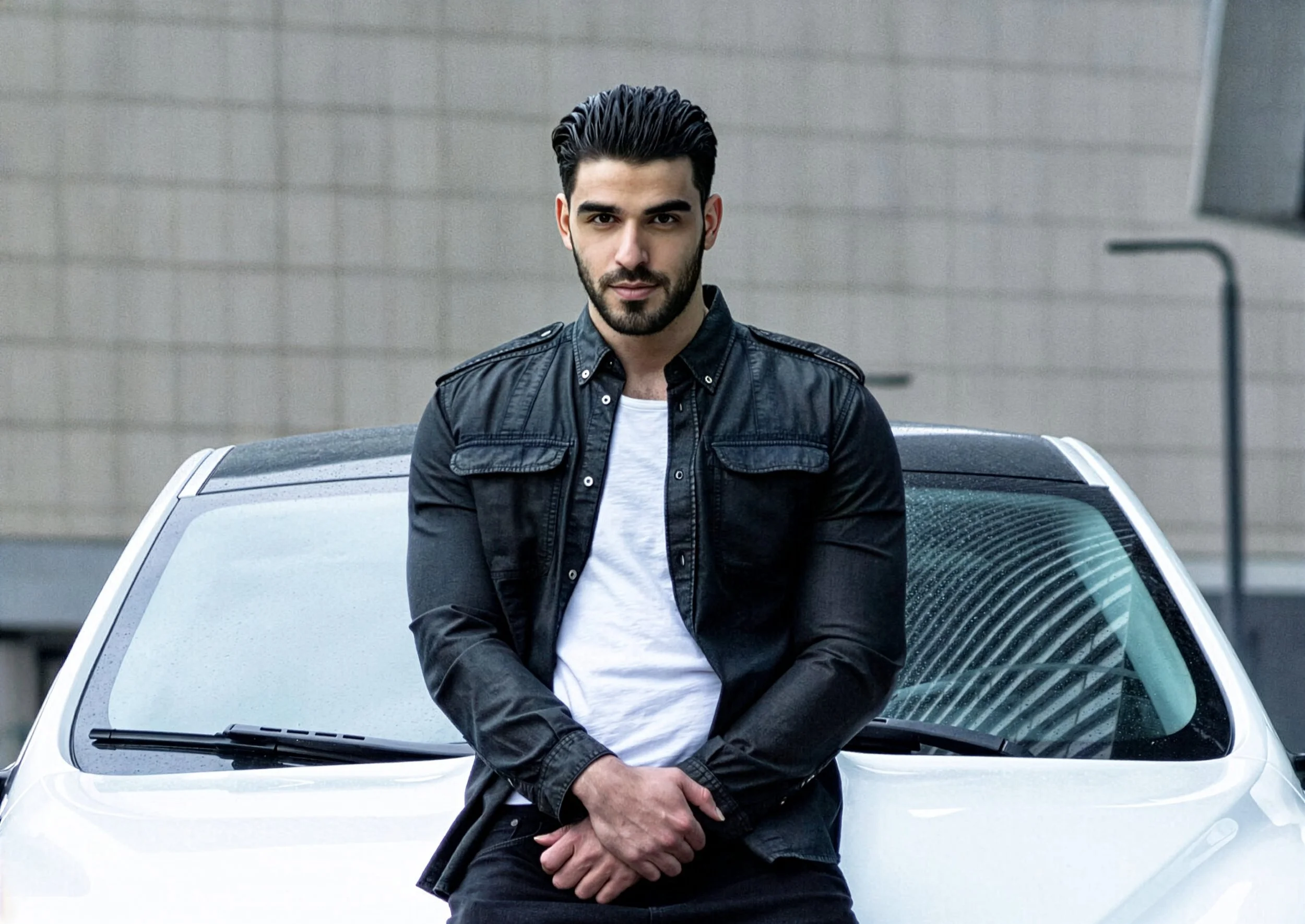
You have reinvented yourself several times. Do you ever worry that changing direction too often can confuse people?
No. I think people become trapped when they feel they have to remain the person everyone already knows them as. People like categories because categories are comfortable. They make people easier to understand, easier to judge, and easier to predict. But we’re not meant to stay the same forever.
You can change your interests, your ambitions, your appearance, even the way you see yourself. Growth means allowing yourself to become someone people didn’t expect you to become.
For example:
He’s a fitness model.
He’s an influencer.
He’s a businessman.
He’s an investor.
Why should a person have to stay in the same place for 40 years? If your interests evolve, your life should be allowed to evolve with them. I don’t see reinvention as running away from an old identity. I see it as adding another layer to it. Everything I did before still exists in me.
Another major direction for you now is acting. Why acting, and why now?
Acting has been part of the conversation around me for quite some time. I’ve received approaches and opportunities before, including projects connected to television and international productions. But at the time, I never gave acting the attention or commitment it deserved. I was focused on other things, and I didn’t feel ready to make that kind of transition. My priority was business. If I was going to enter acting seriously, I knew it couldn’t simply be something I did between meetings. You have to respect the craft enough to prepare properly.
Now the timing feels different. I have built more independence in my life and I am able to create space for it. 2026 is a preparation year for me. My intention is to begin pursuing acting much more seriously, starting from 2027. And strangely, I think starting later may actually work in my favor.
At twenty-five, I had the face and the physique, but I didn’t have the life experience I carry with me now. An actor needs more than appearance. There has to be something behind the eyes. A history, an understanding of people, something real that you can draw from. Maybe that is something you can’t rush.
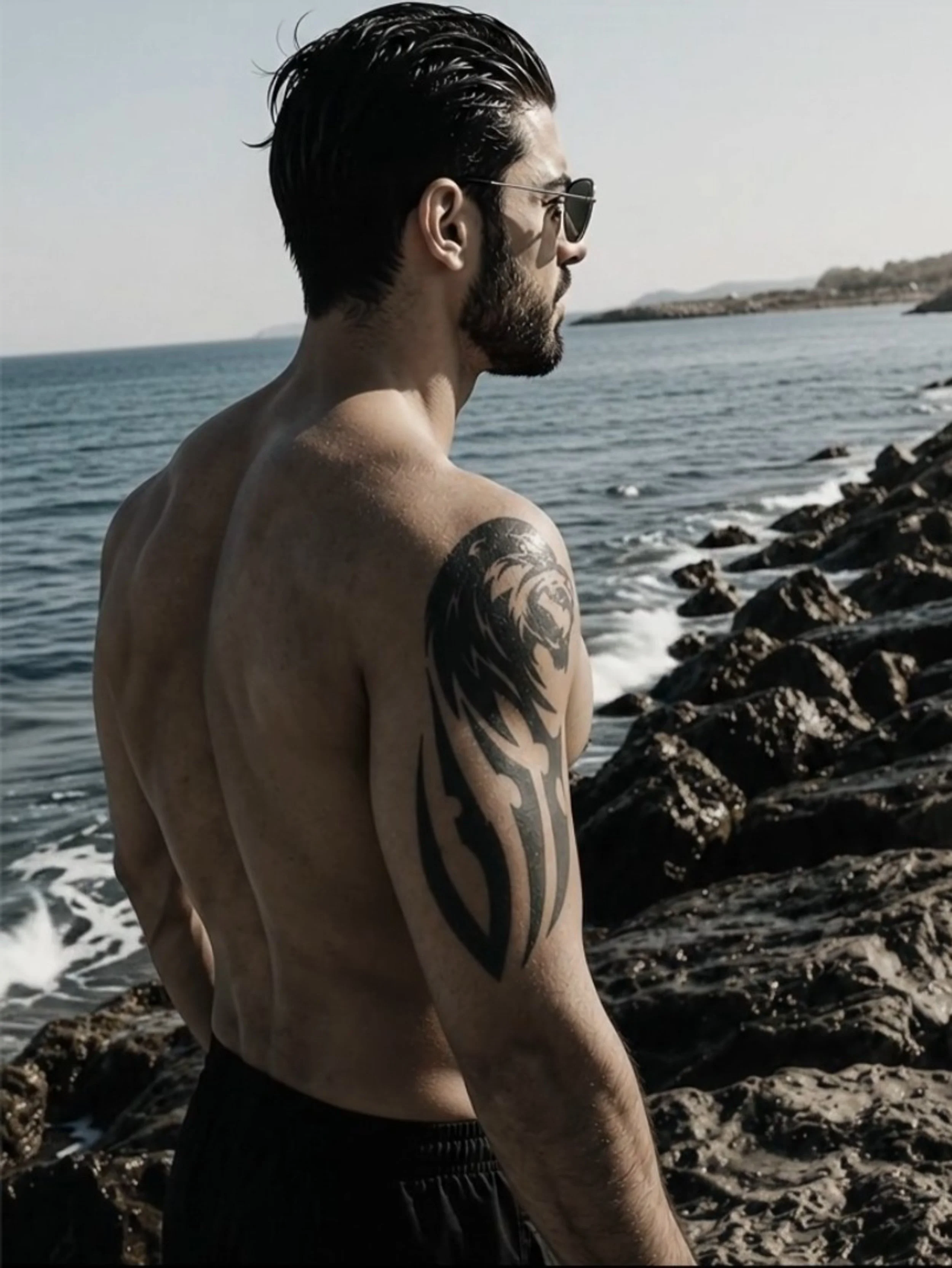
Is there a specific type of character you see yourself playing?
I don’t find the obvious “strong man” character particularly interesting just because I have a physical presence. If anything, I’d rather play against that expectation. A controlled character can be far more intimidating than someone who is constantly shouting. There’s something powerful about restraint. The person who doesn’t need to raise his voice because he already commands the room.
I’d rather surprise people with what’s beneath the surface than simply play into what they expect to see. Thrillers, crime dramas and psychological stories probably fit my natural presence, but I don’t want to limit myself before I even begin. The objective is not to play Fırat Zan in different clothes. The objective is to disappear enough that the audience sees the character.
Would you consider moving for acting?
Yes. That is one of the practical realities I am considering. I’ve built a lifestyle that gives me the freedom to move between countries relatively easily. But acting may require a different kind of commitment. It could mean spending much more time in Istanbul or wherever the production takes place. That doesn’t bother me. If the right project comes along and requires me to be there, I’m prepared to make that commitment. When something is genuinely worth pursuing, you find a way to make room for it. Comfort has never been my highest priority. Growth usually requires some disruption.
Do you see yourself choosing television, cinema or streaming?
I’m more drawn to film and high-quality streaming productions because of the depth and visual language they can offer. I’m interested in projects that have something to say and characters that give you something to explore. For me, the role itself matters far more than simply being visible on screen. I don’t have a desire to appear in something just to say, “I’m an actor now.” I’d rather be part of something meaningful than appear in something just for the sake of being seen. Of course every actor has to start somewhere, and I respect that. But I want to be strategic about the direction.
You are entering this new creative chapter in your mid-thirties, at an age when some people begin becoming more conservative with their ambitions. Does age affect you?
It motivates me. There is a strange idea that your entire identity must be decided in your twenties. I don’t believe that at all. I may actually be much better prepared to begin something difficult now because I know myself. I’m financially more independent, emotionally more experienced and much less afraid of other people’s opinions.
Starting later also creates urgency in a positive way. You understand that time matters, so you stop wasting years trying to impress people who have nothing to do with your future. I don’t want to be the youngest person in the room. I want to be one of the most prepared.
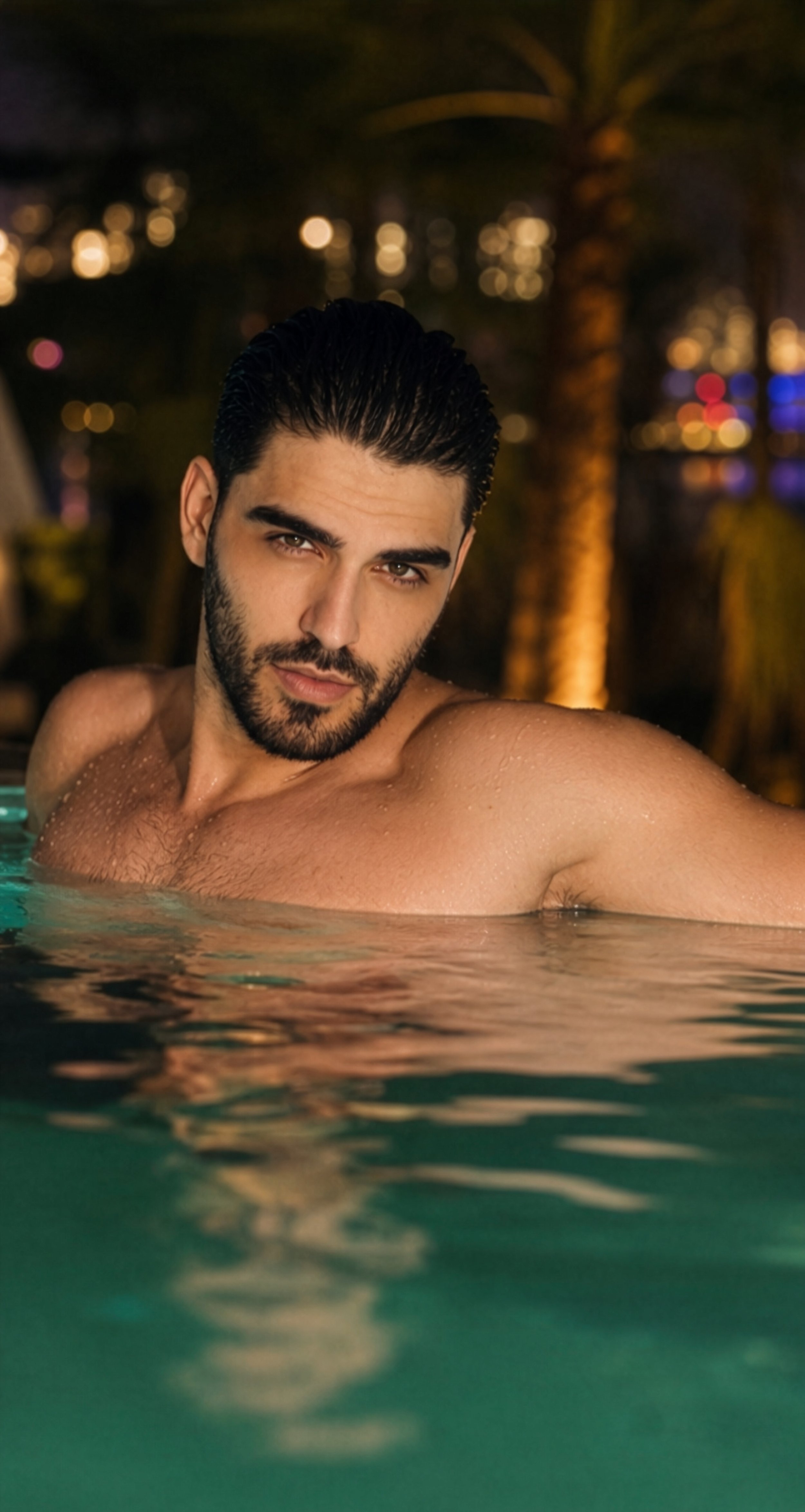
How has your definition of success changed over the years?
When I was younger, success was mostly external. A better physique. More followers. More money. A better apartment. Another achievement. Those things are still enjoyable. I’m not going to pretend material success means nothing to me because I work very hard and I like beautiful things. But freedom has become the real luxury. Being able to choose where you live. Being able to say no to work you don’t respect. Having control over your time. Being able to help the people you care about. Waking up and knowing that most of the decisions in your life are actually your decisions. That is success to me now.
Milan represents fashion, craftsmanship and a very particular form of European elegance. What does the city represent to you creatively?
Milan understands restraint. That is probably what I appreciate most about Italian style in general. The strongest look does not always have to be the loudest one. There is confidence in beautiful tailoring, architecture, materials and proportion. You can immediately recognize quality without needing twenty logos to explain it to you. That philosophy is becoming increasingly close to my own aesthetic. Elegance should look natural. The moment it looks like you’re desperately trying to appear elegant, you’ve probably lost it.
Finally, when people look back at this period of your life several years from now, what would you like them to see?
Evolution. I don’t want the best chapter of my life to always be something that happened ten years ago. That thought genuinely scares me more than failure. I want to keep becoming somebody I haven’t met yet.
Maybe the next chapter is acting. Maybe business grows in a direction I can’t currently predict. Maybe something completely unexpected happens. I’m open to that. The important thing is that I never want comfort to become an excuse to stop evolving. I have already lived several very different versions of my life. I don’t think I’m finished becoming the next one.
To keep up with Fırat Zan’s latest projects, editorials and upcoming ventures. visit his website at firatzan.com, or follow him on Instagram at @ty_zan and Facebook at Firat Zan Official.
To read more insping articles visit our section Style.
