

ANCESTRAL ROOTS, MODERN PLATES: THE PLANT-BASED RENAISSANCE
For decades, the climax of a fine dining experience in Milan was reliably anchored by a prime cut of meat or a delicate, butter-poached catch of the day. Vegetables, grains, and legumes were the supporting cast—essential to the narrative, but rarely allowed the final bow. Today, a quiet but profound transcultural shift is sweeping through high-end gastronomy. We are witnessing not just the rise of plant-based cuisine, but a culinary renaissance that digs deep into ancestral roots to redefine modern luxury on the plate.
This is no fleeting trend of austere health foods. Rather, chefs across Italy are looking backward to move forward, turning to the soil to unlock a complex vocabulary of flavors that have long been overshadowed.
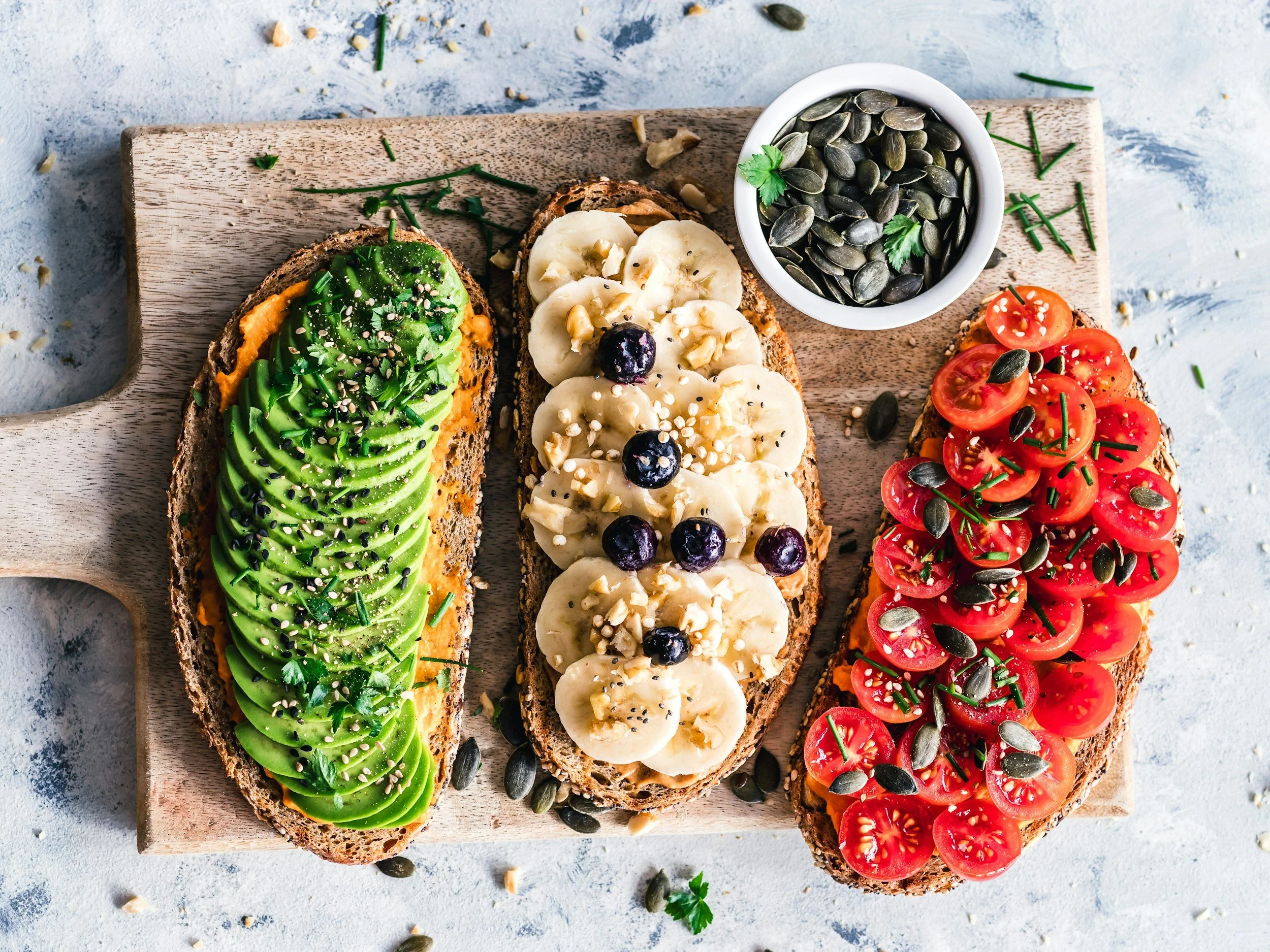
The Unsung Heroes of the Earth
At the forefront of this movement is a renewed reverence for overlooked ingredients. Take, for instance, the topinambur (Jerusalem artichoke). Long relegated to the fringes of the produce market, this knobby, unassuming tuber is experiencing a well-deserved revival. When slow-roasted or pureed, topinambur yields a deeply savory, nutty sweetness that rivals any truffle-laced potato mousseline. It brings a sophisticated earthiness to the table, proving that luxury is often found in the most humble of places.
"We are witnessing a culinary renaissance that digs deep into ancestral roots to redefine modern luxury on the plate."
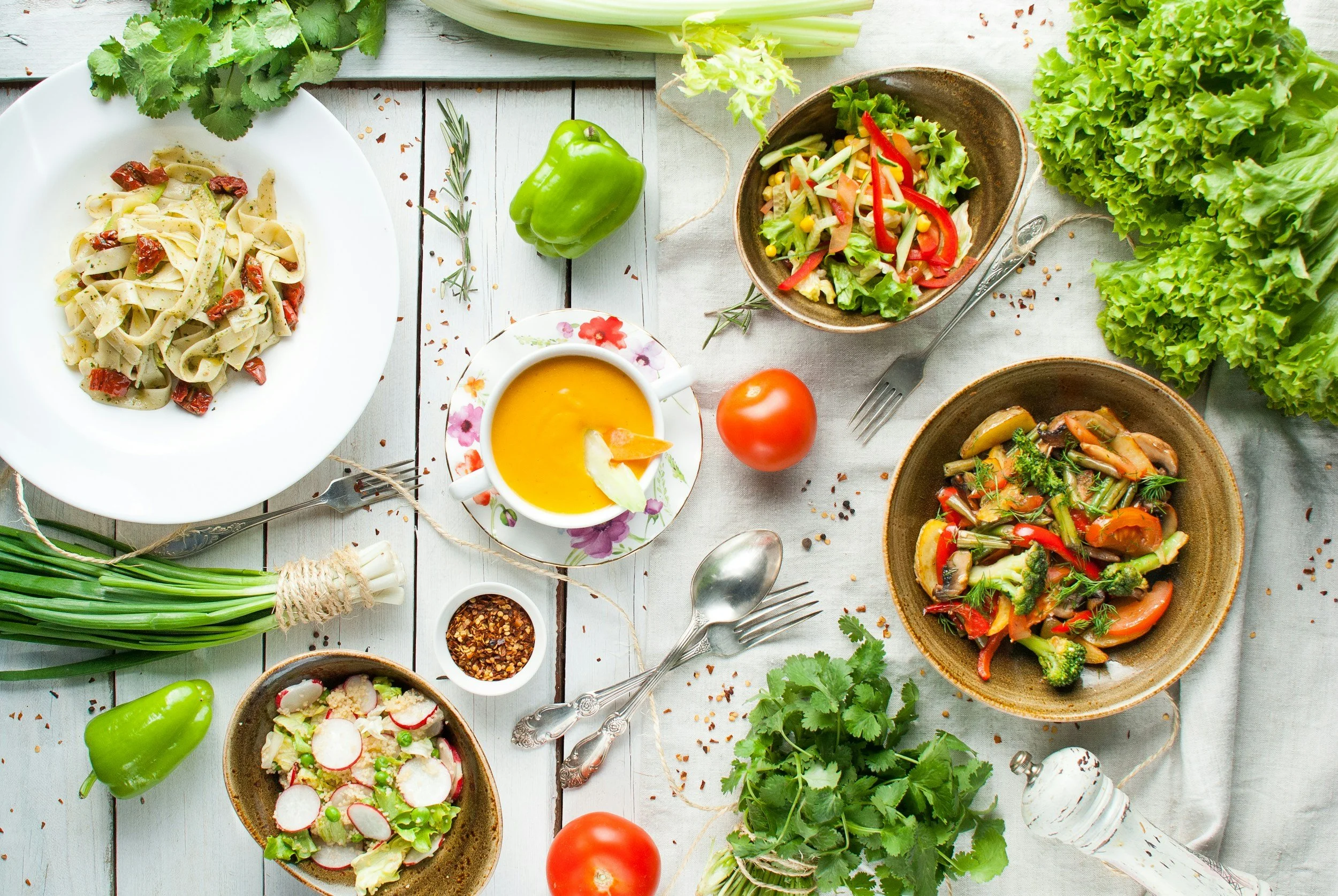
Alongside the topinambur, the kitchens of Michelin-starred establishments are embracing the robust textures of ancient grains and regional legumes. From the delicate, mineral-rich lentils of the Apennines to ancient varieties of farro and chickpeas, these ingredients are no longer just the backbone of rustic cucina povera. They are being transformed through modern techniques—fermented, puffed, or emulsified—into structural masterpieces that command the center of the plate.
Reimagining the Canvas
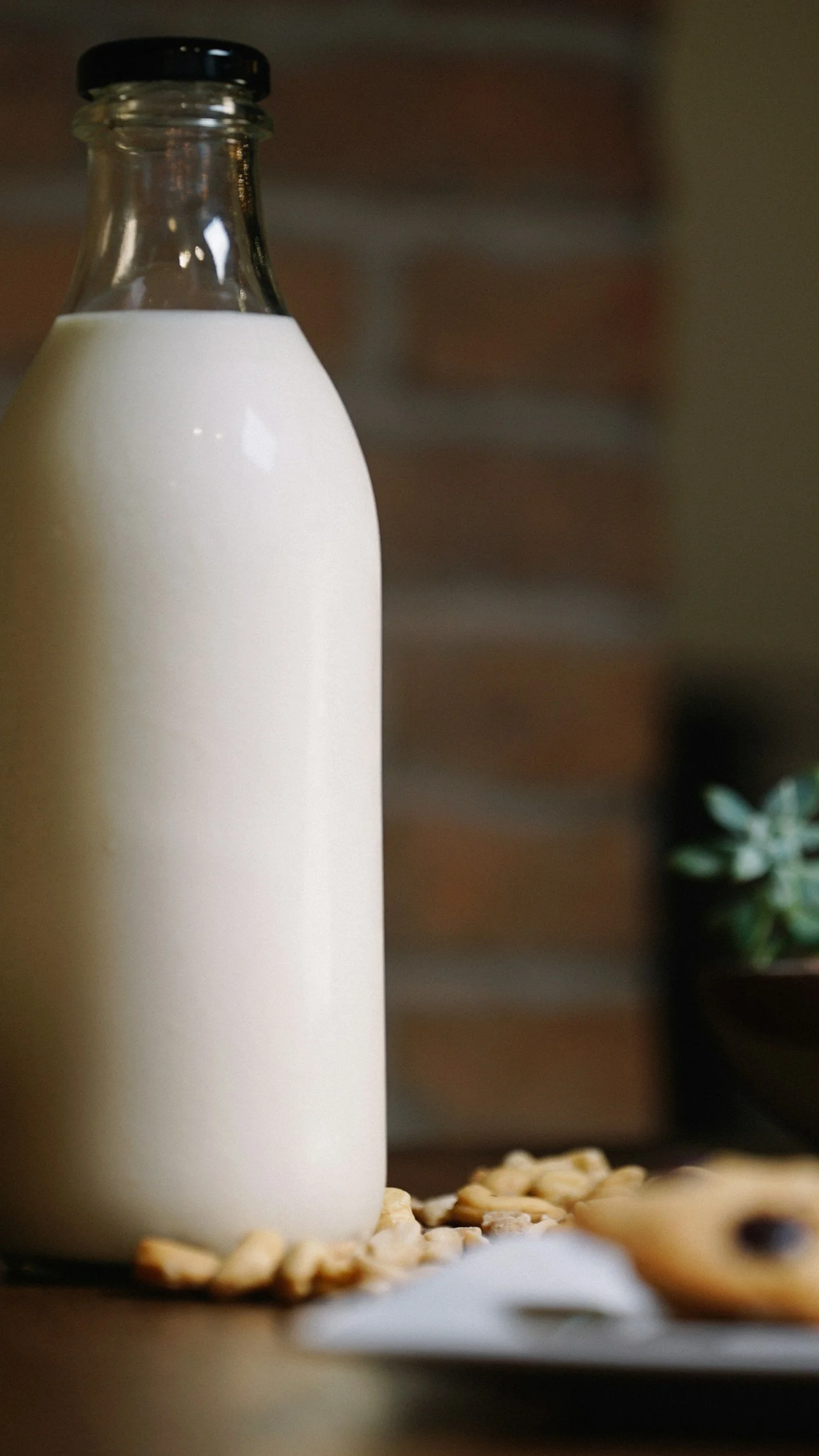
The true artistry of this plant-based renaissance lies in the re-engineering of classic textures. Dairy, once the undisputed king of the Italian culinary emulsion, is finding elegant competition.
Chefs are discovering the savory potential of plant-based bases, particularly the nuanced applications of artisanal soy milk. Far beyond a simple dairy alternative, high-quality, house-made soy milks are being curdled into delicate, silken ricottas, whipped into savory foams to carry the scent of wild fennel, or reduced into rich, velvety glazes that coat slow-braised root vegetables. This allows the pure, unmasked flavors of the produce to shine without being weighed down by heavy animal fats.
A New Culinary Lexicon
This shift represents more than just a change in dietary preference; it is a cultural evolution. By elevating legumes, ancient grains, and forgotten roots, the modern kitchen is engaging in a dialogue between sustainability and heritage. It challenges the diner to find opulence in the complexity of a perfectly executed topinambur reduction or a delicate chickpea panisse.
As the lines between traditional Italian cooking and global, plant-forward innovation continue to blur, one thing is certain: the future of fine dining is firmly rooted in the earth. And it has never tasted more refined.
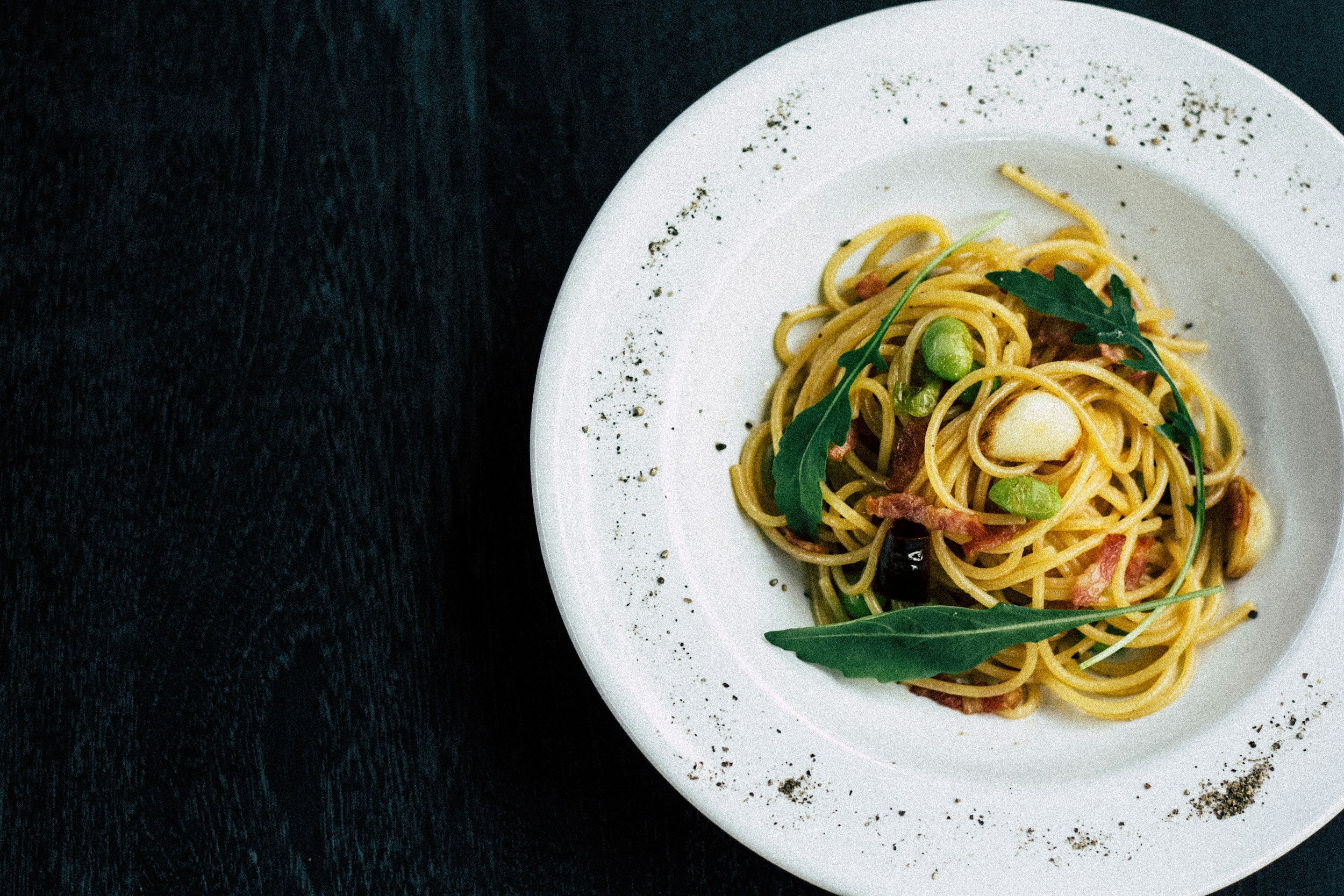
Experience the Plant-Based Renaissance: Ready to taste the evolution of modern Milanese luxury? Discover top-rated vegetarian and plant-forward tasting menus in the historic center. Browse curated dining experiences near the Duomo to book your next reservation.
To see more articles visit our section Style.