MARK FULLER
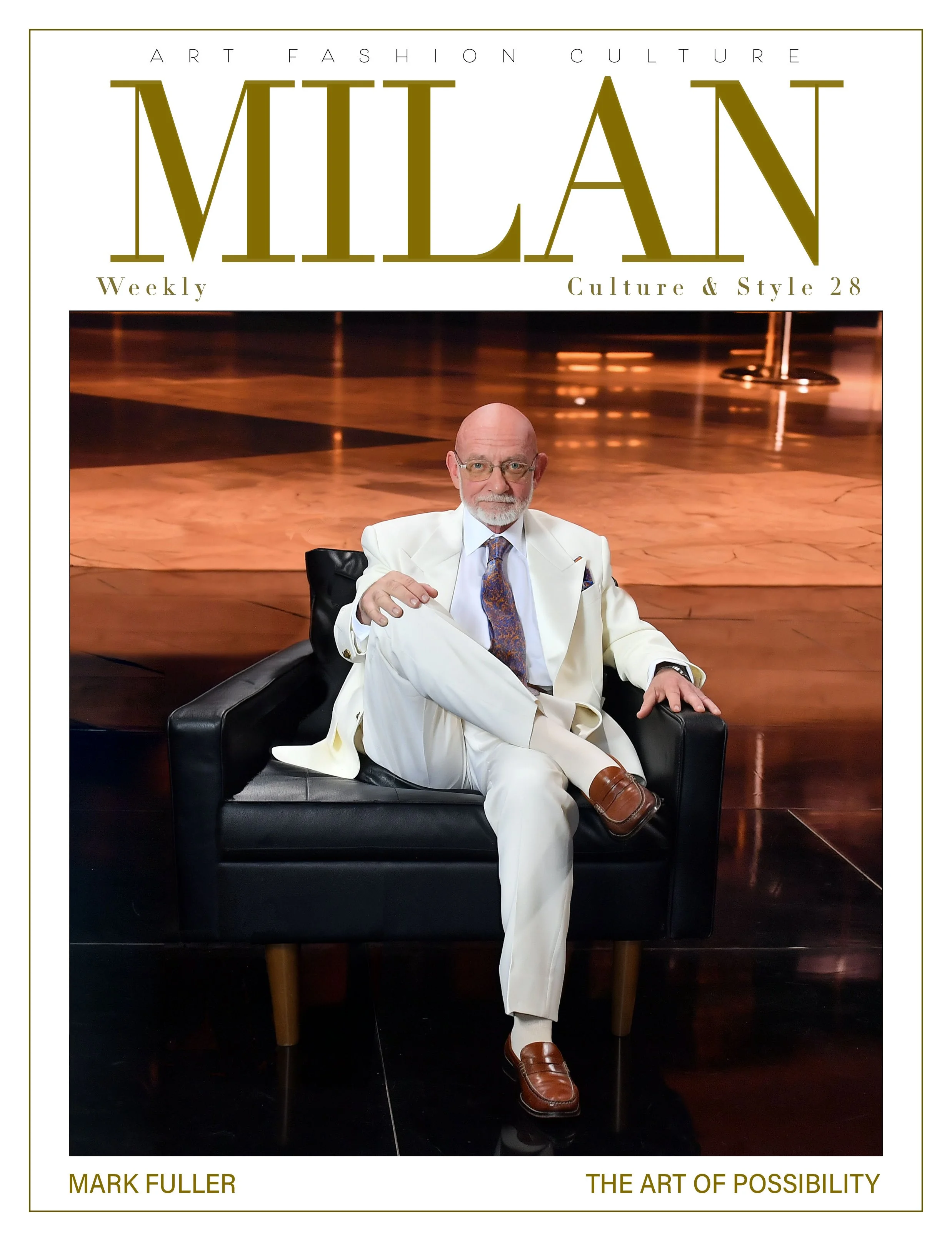
Visionary creator Mark Fuller sits down with Milan Weekly to discuss a career spent transforming the seemingly impossible into pure magic. From his early Disney innovations to pioneering design at WET, Fuller explores the extraordinary power of relentless curiosity.
What initially drew you to this field, and how has your journey evolved since then?
I’m not certain I was ever “drawn into a field.” I think I simply never stopped playing. As a child, I loved water—being in it, watching it, figuring out what I could make it do. With the help of my grandfather, “Gramps,” a retired Golden Gloves prizefighter, I dismantled an old washing machine and stole its pump—not literally; I think my parents had already given up on the washing machine—to circulate water through a collection of little pools and caves I had built in our backyard. The pump that once filled a washing tub was suddenly keeping goldfish alive while they played hide-and-seek in underwater tunnels. Looking back, that probably contains most of my career in miniature: curiosity, machinery repurposed for something it was never intended to do, water behaving in an unexpected way—and hopefully somebody smiling because of it. I have just been building bigger backyard experiments ever since.
Can you share an important experience that significantly influenced your career or personal growth?
At the University of Utah I was an Honors student in Civil Engineering, which meant completing and publishing a thesis even as an undergraduate.
Two friends and I became fascinated by something most people would probably walk past without noticing: a small laboratory stream of water that flowed so perfectly that it looked like a solid rod of glass. Technically it was laminar flow. We wondered whether something that behaved beautifully at a few inches could behave just as beautifully over tens of feet. That question consumed us. The answer turned out to be yes—but only after a great many experiments whose principal contribution to science was demonstrating how many ways there are to get something completely wrong.
Later, at Walt Disney Imagineering, I turned that work into the Leapfrog fountain at EPCOT: streams of perfectly clear water leaping in and through planters, choreographed so that what the audience perceives is a single hundred-foot-long creature of water playing hide-and-seek among the landscaping. That taught me something I have never forgotten: research becomes truly exciting when the engineering disappears and what remains feels like magic.
You’ve built a career around turning ideas that can sound impossible into real-world experiences. When someone tells you something can’t be done, what happens next?
Usually my first reaction is simply: “Why not?” “Can’t” is a wonderfully revealing word. Quite often, when you interrogate it, “can’t” actually means, “Nobody has done it before.” Sometimes it means, “That sounds like an enormous amount of work.” And sometimes it means, “I have absolutely no idea where to begin.” That last one is my favorite. Because now I get to learn something I don’t know. What could possibly be more fun than that?
Your work sits at an unusual intersection of engineering, art, and technology. Do you see yourself primarily as an inventor, artist, engineer—or something else?
Interestingly, none of those words describes what I am trying to accomplish. Engineering, art and technology are languages. They are not the conversation.
When I was nine, my family drove from Salt Lake City to Disneyland. In those days there was simply nothing else like it. One moment you were walking through an idealized American past; the next through fantasy; then suddenly you were looking into somebody’s vision of the future.
I remember thinking that Walt Disney had the coolest job in the universe—possibly second only to God’s. He got to create worlds. I decided on that trip that I wanted to work there. It took me eighteen years, several applications, and exactly one fewer rejections than applications before Disney finally hired me. By the time I left Imagineering to create WET, I was heading its Special Effects department.
So what am I? Probably a creator. Engineering is one of my tools. Art is another. Technology gives me abilities I didn’t have yesterday. But the objective is an experience—a moment that makes someone stop, feel something, perhaps look at the person beside them and realize they are sharing it. That is the real medium.
What has been the most challenging project or situation in your career, and how did you navigate it?
The most challenging project I have ever undertaken is whichever one I am working on now. And I mean that quite seriously. Why would I devote years of my life to creating something less challenging than something I have already done? Repeating myself successfully would probably be much easier. It would also bore me senseless.
Who has been a major influence or mentor in your life, and what lessons have they imparted?
I have had the extraordinary luck to work with and around some remarkable human beings. Steve Wynn was more than a major influence—I’m not sure what the superlative of “major” is, but use that.
Steve challenged us mercilessly. Occasionally he would really unload on us. But afterward he would say, essentially, “I knew there was more in you than you knew was there yourself, and by God I was going to make you find it.” There is enormous generosity hidden inside that kind of demand.
Her Excellency Reem bint Ebrahim Al Hashimy, who led Expo 2020 Dubai and was our client for Surreal, continues to inspire me for different reasons. She combines extraordinary accomplishment with vision, grace and a belief that ambitious ideas can serve something larger than themselves. Surreal became a place where water seems to change its mind about gravity and rushes upward through enormous waterfalls. You don’t arrive at projects like that by thinking timidly.
Can you recount a turning point or milestone in your career that was particularly significant?
This morning. That may sound evasive, but I mean it. Every morning I wake up and there is another chance to discover something, fix something, invent something, apologize for something I screwed up yesterday, make somebody laugh, or find out that an idea I thought was brilliant at midnight is idiotic in daylight. Careers look orderly when viewed backward. Living them does not feel orderly at all. The real milestone is being fortunate enough to wake up healthy, curious, surrounded by people you care about—and still wanting to find out what happens next.
8. What book, movie, or artistic work has significantly shaped your worldview or professional approach?
You are going to get a very peculiar little film festival from me:
Mary Poppins.
Patton.
My Fair Lady.
Saving Private Ryan.
The African Queen.
The Flight of the Phoenix.
On the surface, those films have almost nothing in common. But I think I am drawn to the same underlying thing in each of them: people discovering that they are capable of more than they thought they were. Sometimes that discovery comes through discipline. Sometimes imagination. Sometimes survival. Sometimes sheer bloody-minded refusal to quit.
The Flight of the Phoenix contains one of my favorite moments in any film. The survivors have built a tiny airplane out of the wreckage of the one that crashed. Their lives now depend on starting its engine with only a few explosive starter cartridges left. One attempt fails. Then another. Soon there are only two cartridges remaining. And James Stewart’s character does something that appears insane to everyone around him: he orders the fuel shut off and deliberately fires one of those last two charges knowing the engine cannot possibly start. Everyone protests. They believe he has just thrown away half of their remaining chance to live. But he understands the machine. He believes the cylinders are fouled with carbon and that a dry explosion may clear them. So he spends the second-to-last chance to improve the last one. Then they restore the fuel, fire the final cartridge, nurse the sputtering engine—and it catches. I love that moment because it is not merely about courage. It is about having learned enough, observed enough, and thought deeply enough that when everybody around you says, “You’re crazy,” you are willing to stake everything on what you know. And then being right. There are moments in life when all the years of learning, tinkering, failing, and paying attention seem to exist for one purpose: this is the moment when you are supposed to know what to do.
The African Queen touches another nerve for me. Again and again, Bogart repairs the failing boat and somehow gets them through. And eventually the people around someone like that begin assuming, “He’ll fix it. He always does.” I know that feeling very well.
At WET, when something looks impossible, people will sometimes say, “We aren’t worried, Mark. You always get us out.” And I tell them, “Yes. Until the time I don’t.” That is why those films stay with me. They understand both sides of ingenuity: the exhilaration of solving what looked impossible—and the uncomfortable truth that past success never guarantees the next rescue.
And then there is Mary Poppins, which understands something entirely different and equally important: that the distance between the ordinary and the magical can sometimes be only a few inches. I have spent much of my career working in those few inches.
How do you find balance between your professional responsibilities and personal well-being?
Badly. My personal life has traditionally yielded to my work much more than it should have. I do not recommend that as a philosophy of life, and as I get older I understand more clearly that there is a considerable difference between being passionately committed and simply being foolish with the finite number of hours one is given. I am still learning that lesson. Possibly more slowly than I should.
If you could collaborate with anyone, past or present, in your field, who would it be and why?
Walt Disney. Although “collaborate” feels presumptuous. Give me a time machine and I would happily go work for him, carry drawings, sit quietly in meetings, ask impertinent questions when permitted, and learn everything I could.
What fascinates me about Disney is that he did not merely make films or amusement rides. He created an organization in which artists, engineers, storytellers, architects, animators, machinists and dreamers could make things together that none of those disciplines could have made separately. That idea profoundly influenced WET.
Looking toward the future, what are your major new goals or aspirations, both personally and professionally?
At this point in my life, I find artificial intelligence almost impossibly fascinating—not primarily because of what it can automate, but because of what it may add to human imagination.
I think we are witnessing the arrival of another kind of intelligence into the human story. The least interesting thing we can do with it is ask it to make the things we already make, only faster. What interests me is what happens when human intuition, physical experience, engineering, art and artificial intelligence begin genuinely creating together. What do we make then that neither intelligence would have conceived alone?
Professionally, I want WET to participate deeply in answering that question. Personally, I want to remain sufficiently curious—and sufficiently unafraid of looking foolish—to keep learning things I currently know absolutely nothing about. That strikes me as a pretty good way to spend whatever years I am fortunate enough to have ahead of me.
Aside from your professional work, what passions or interests do you pursue?
This question assumes I know where my professional life ends and everything else begins. I really don’t.
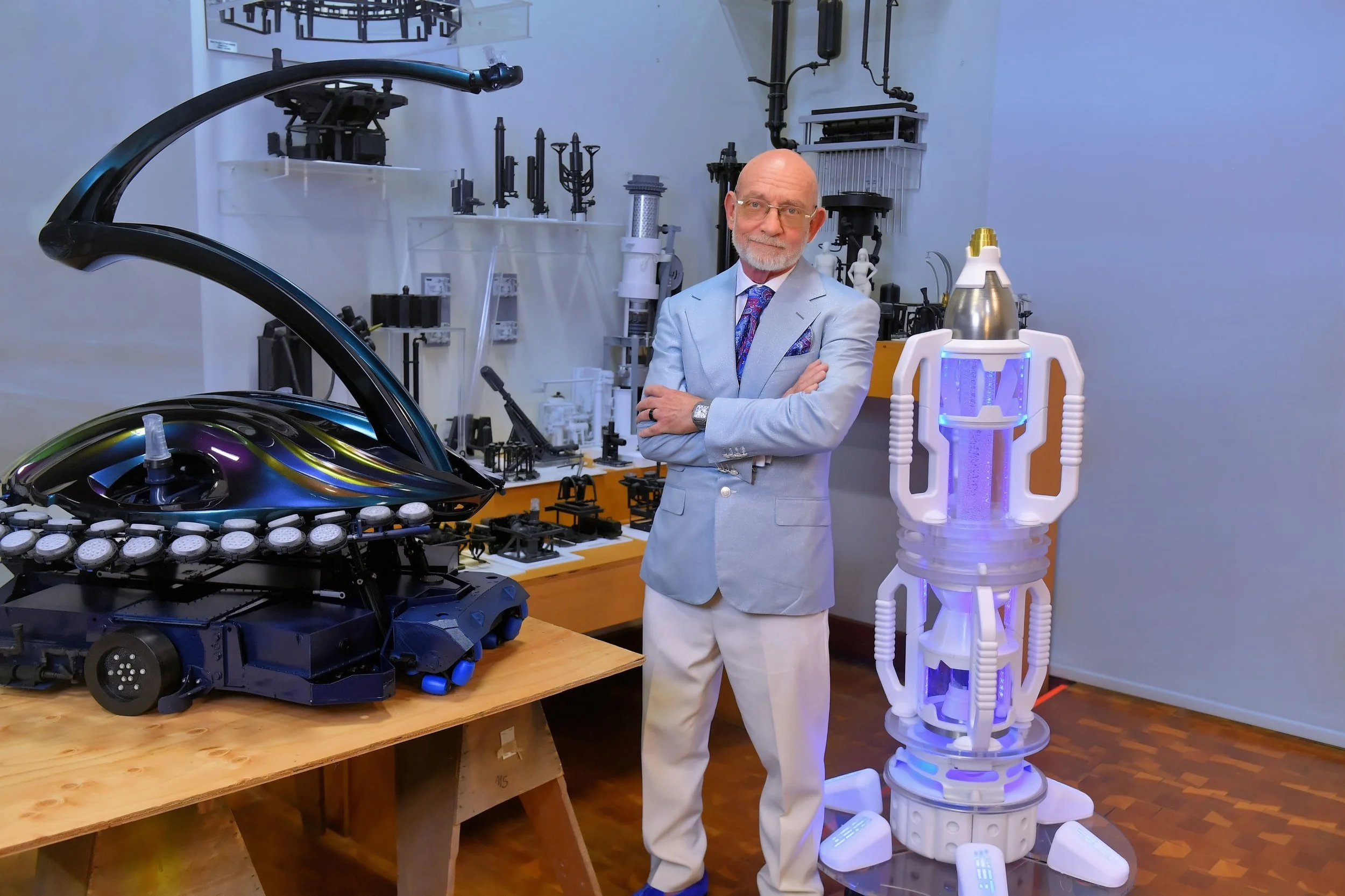
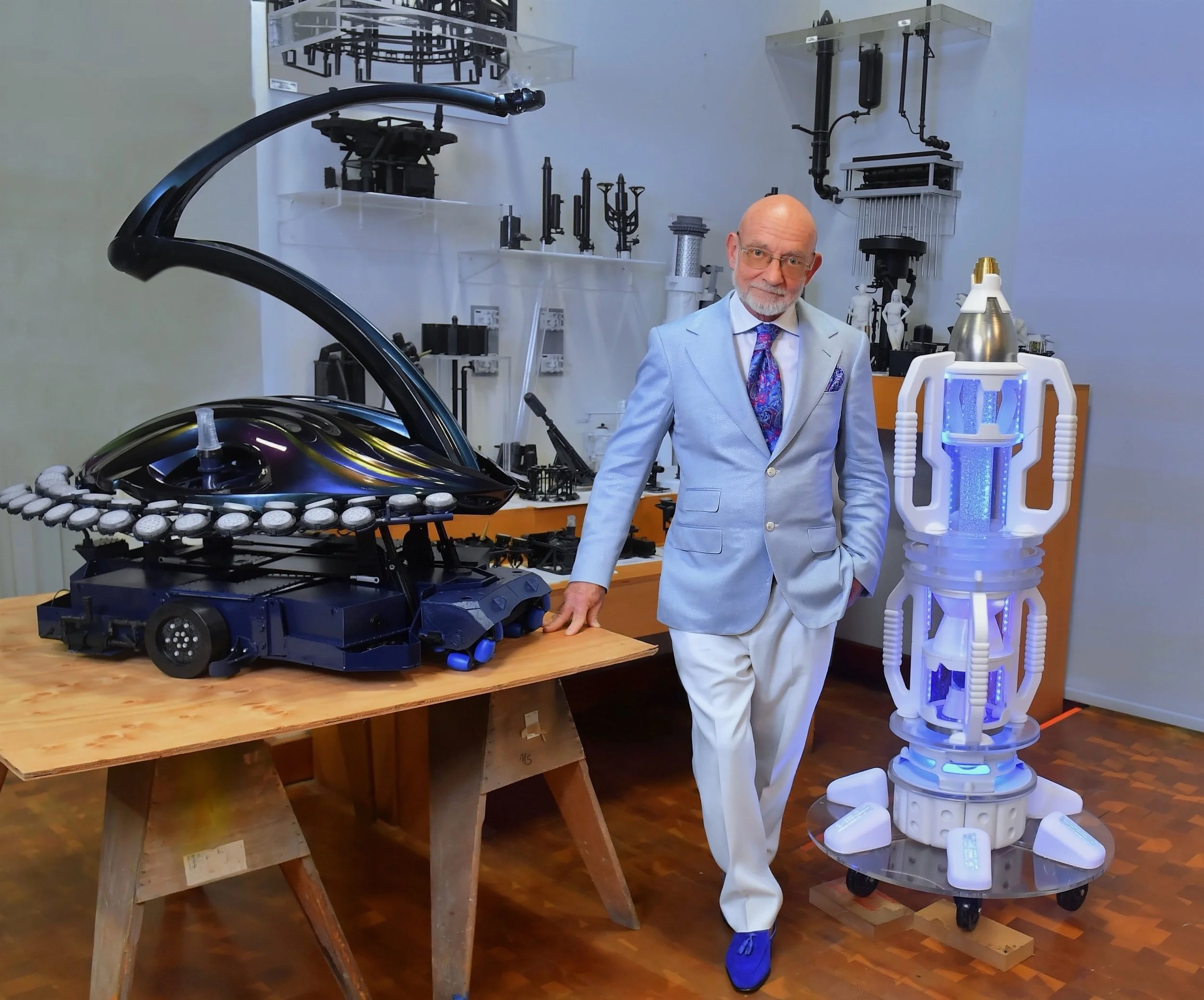
I have been a ballroom dancer. I love theater, poetry, music, lighting, astronomy and physics. I weld. I machine things. I work with electronics and wood. I am fascinated by artificial intelligence. I like understanding how something works almost as much as I enjoy discovering that I was completely wrong about how I thought it worked.
I suppose the common interest underneath all of those is curiosity. Some people have hobbies. I seem to collect disciplines.
The title of this feature is “The Art of Possibility.” What does possibility mean to someone who has spent a career making the seemingly impossible possible?
I love that you called this The Art of Possibility, rather than The Engineering of Possibility or The Challenge of Possibility. Because art and design are not quite the same thing.
Design—however beautiful—is usually the solution to a problem. Someone needs something from you, and you use every ability you possess to find the best possible answer.
Art contains something more selfish. It is also the pursuit of beauty, discovery or expression because the artist personally needs to find out where the idea leads.
Many of WET’s best projects contain both. Of course we must accomplish what our client engaged us to do. But somewhere inside that obligation I usually want something else: something we have never done, perhaps something nobody has done, something unknown enough to be slightly frightening. And then I want to master it—not simply because the project requires it, but because I need to know whether it can exist. That, to me, is possibility. It is the territory just beyond what you already know how to do.
Have you ever been to Italy? And if so, did you like it?
Most certainly. And “liked” is much too small a word. I loved the parts of Italy I visited—the extraordinary compression of art, history, food, architecture and everyday life into places where beauty sometimes feels almost casually abundant.
There is another reason this question is more emotional for me than you might expect. My last visit was with my young son, who sadly is no longer with us.
I have wanted to return many times. I simply have to prepare myself for the experience of walking through places I remember so vividly with him, this time without him beside me.
But I will return. Some places become inseparable from the people with whom we first discovered them. Italy, for me, is one of those places.
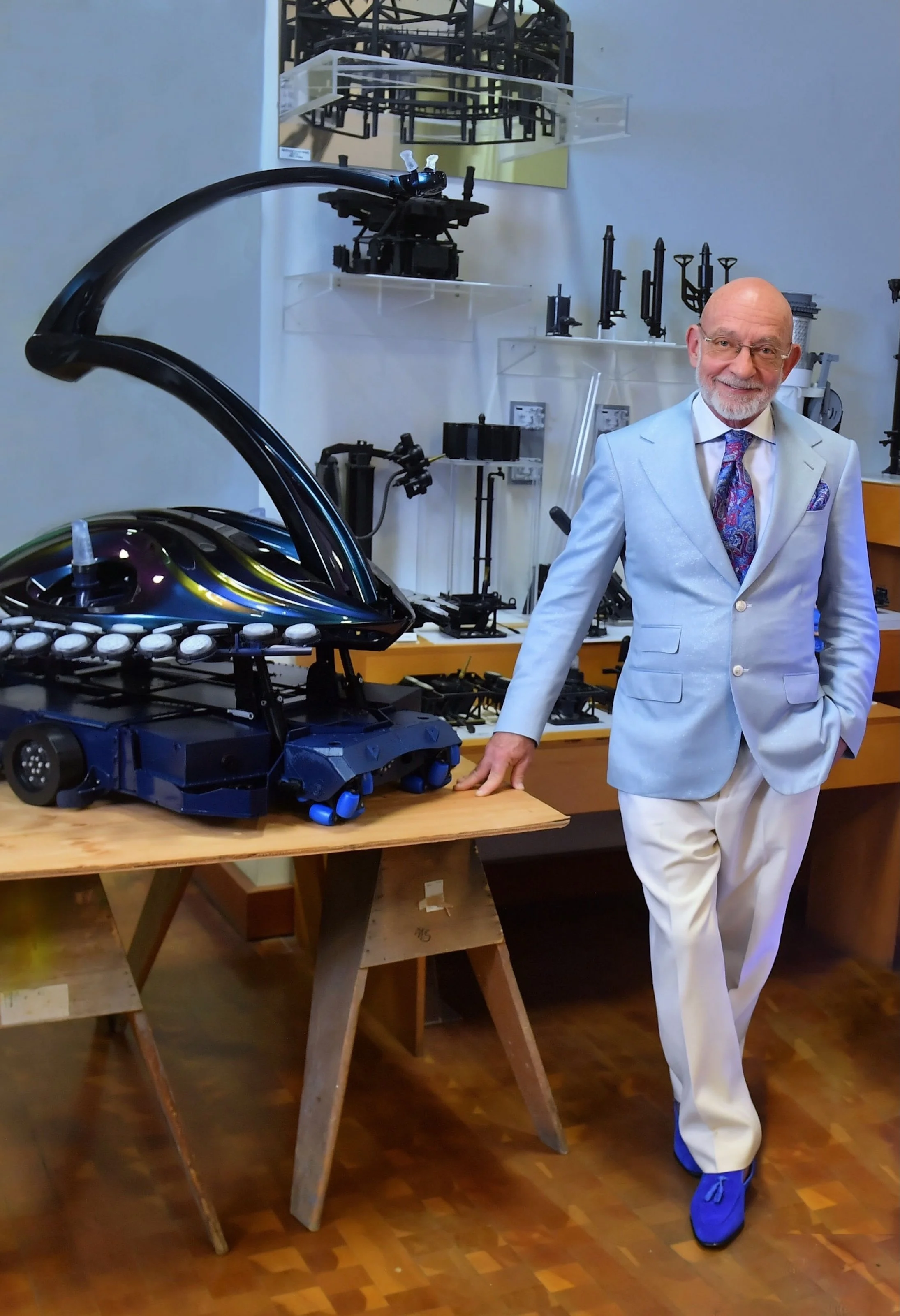
Photographer: Ahmad El @ahmadthephotographer
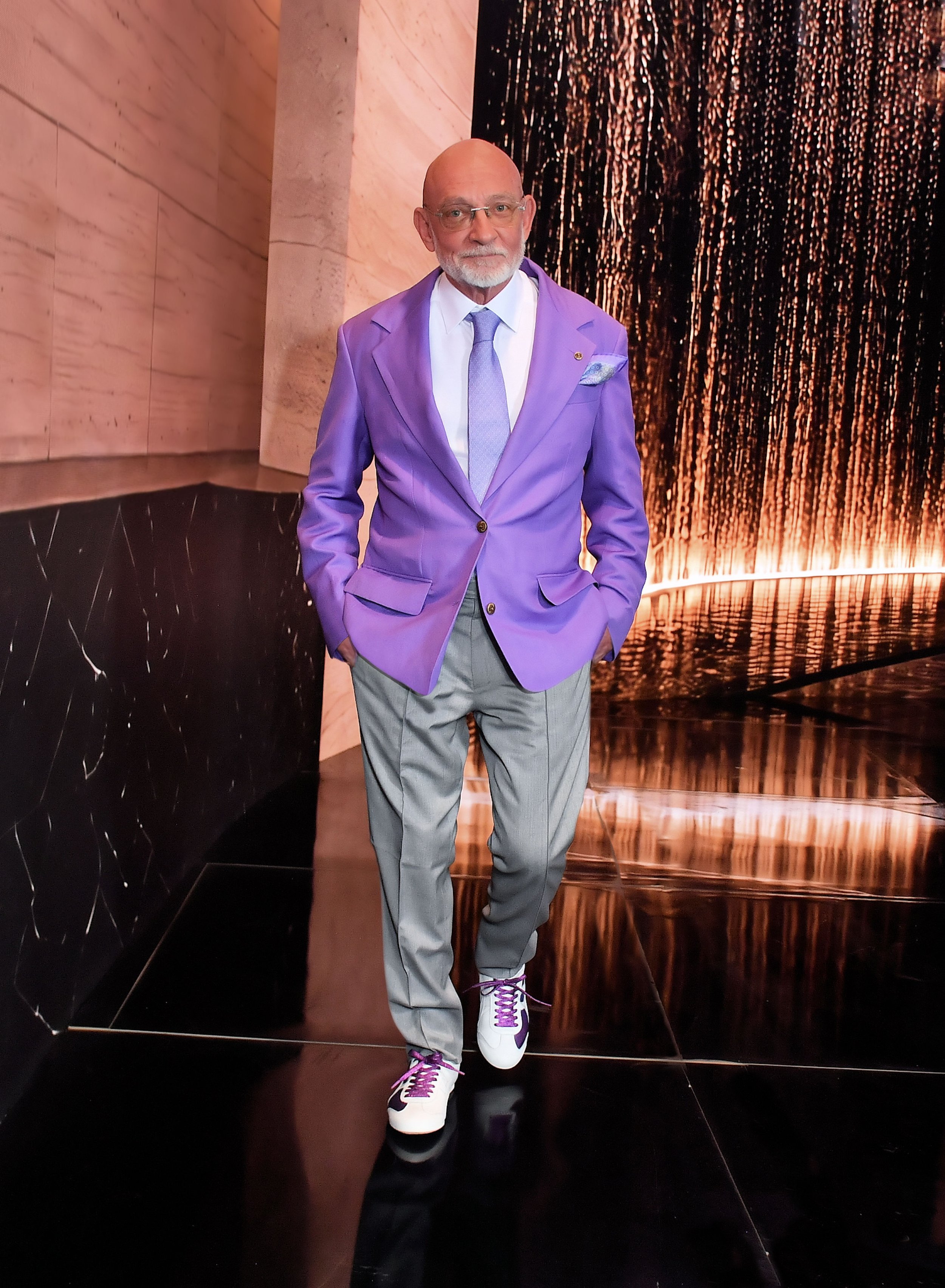
Wardrobe Stylist: Vanessa Béjine @vanessabejine
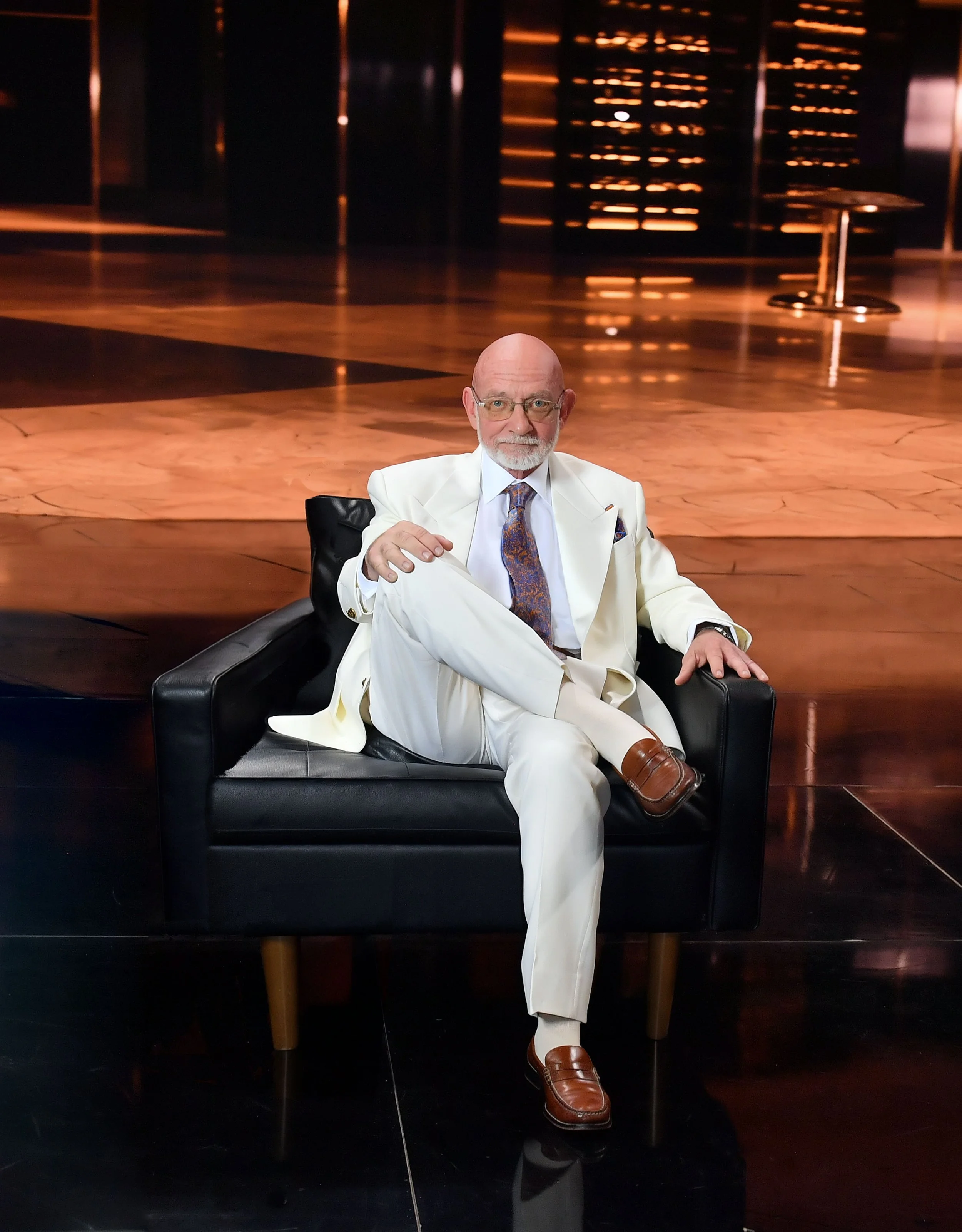
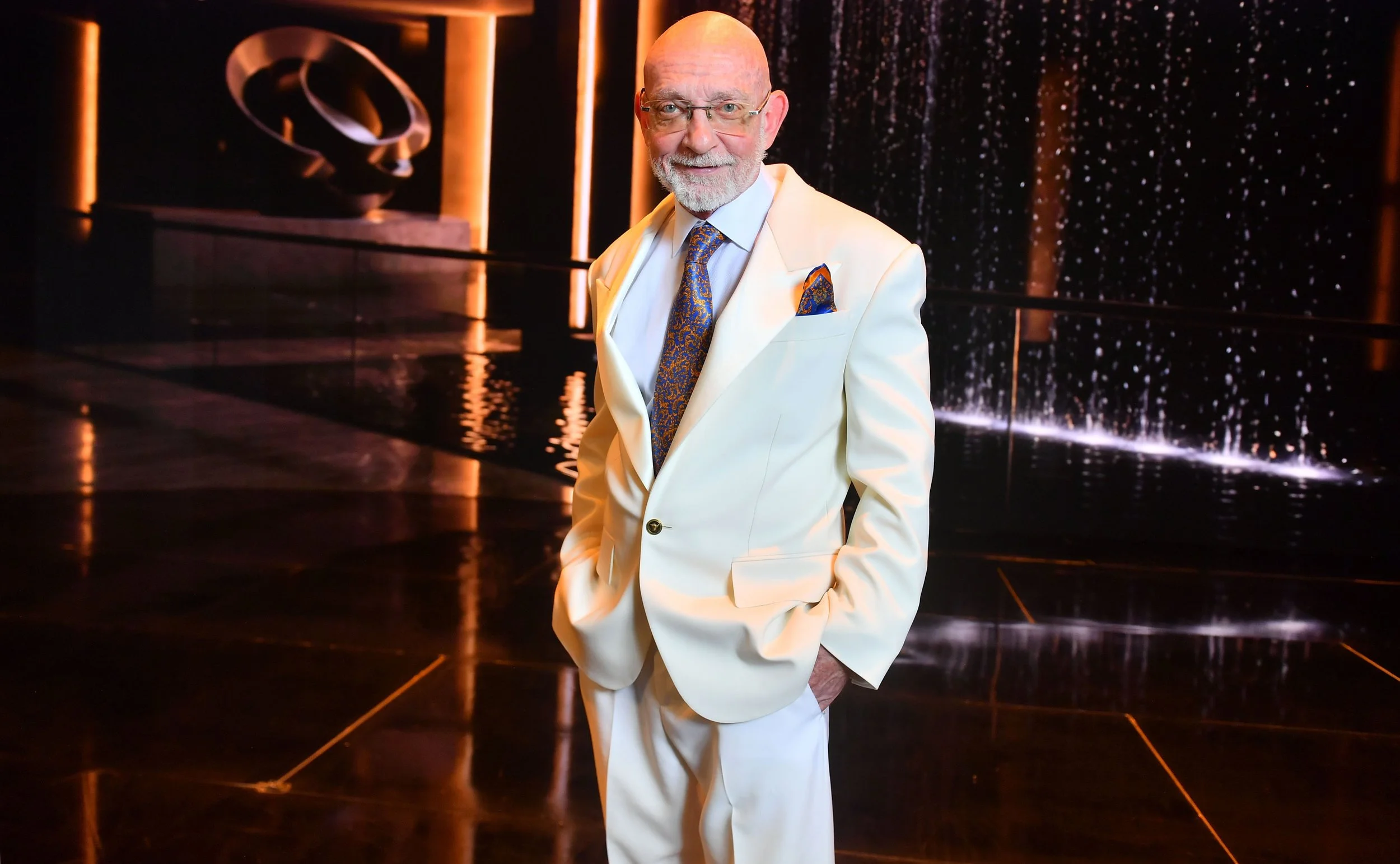
On the Cover: Mark Fuller wears Versace @versace
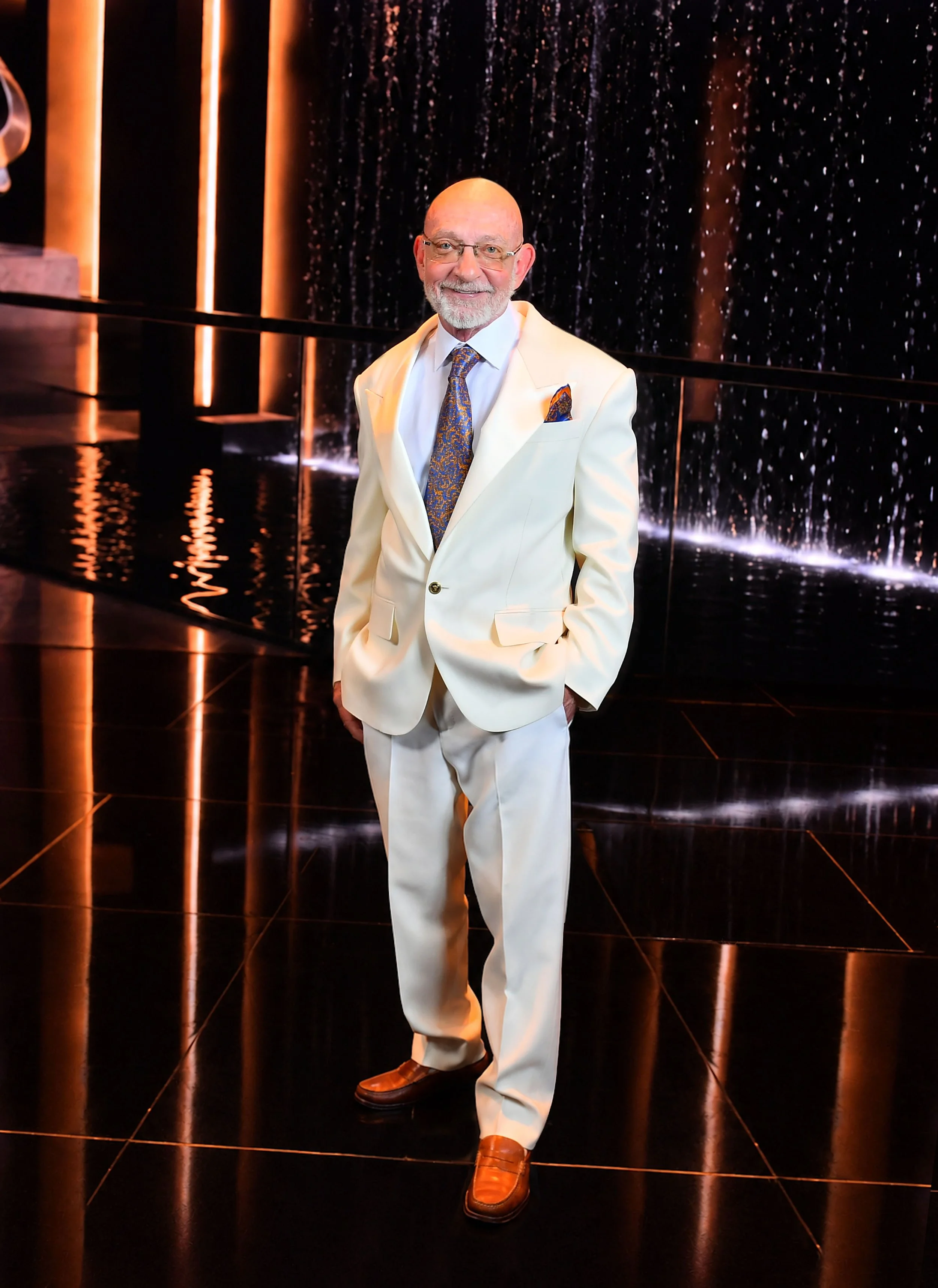
Ceo-Wet Design/Creator Of Bellagio Fountains: Mark Fuller @wetmarkfuller
For other inspiring articles visit our section Art.