TATIANA MARIN
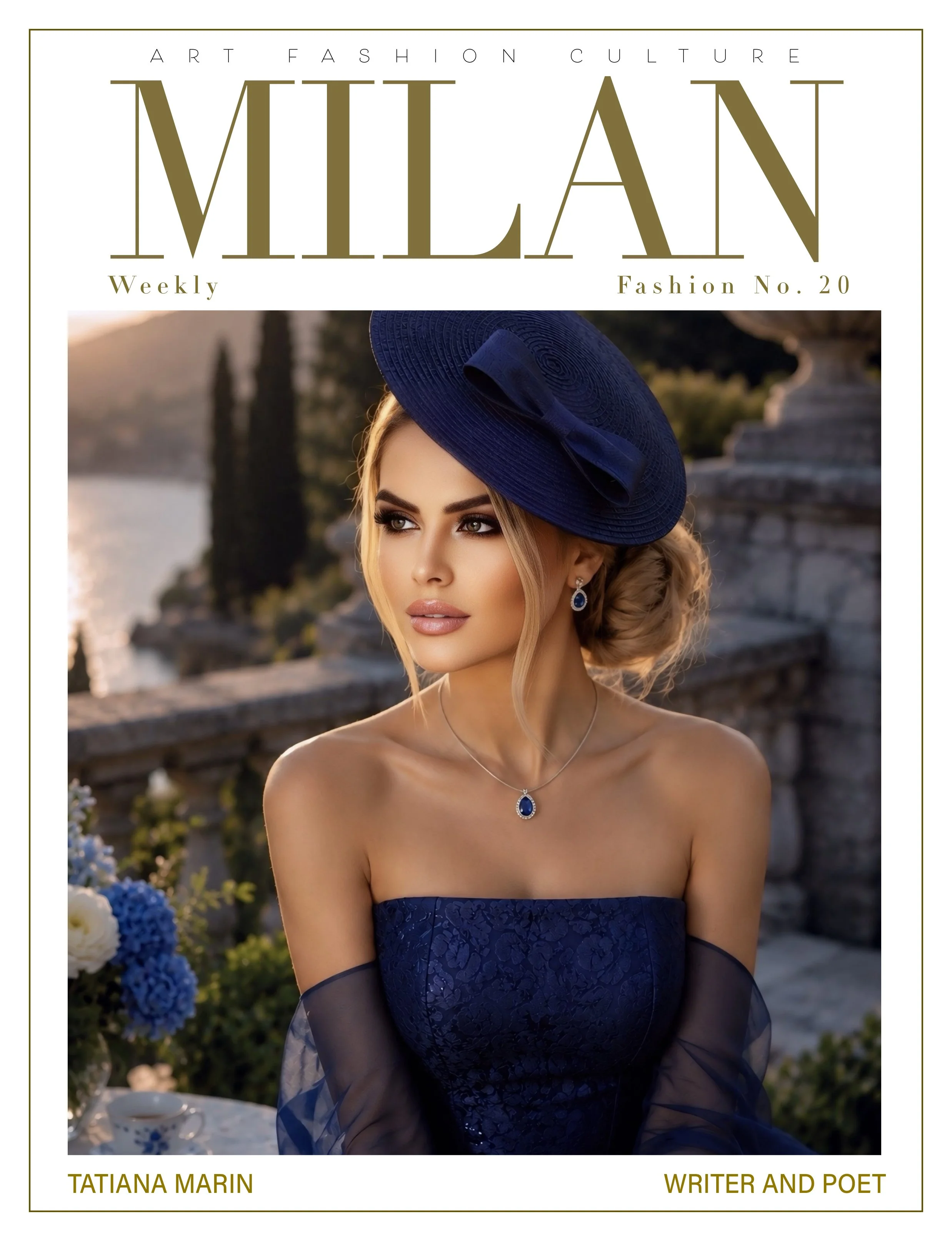
Poet and novelist Tatiana Marin crafts lyrical explorations of identity and memory that transcend geographical and linguistic borders. Ahead of her upcoming novel, she discusses her emotional creative process, the grounding power of poetry, and how navigating diverse cultures shapes her universal stories.
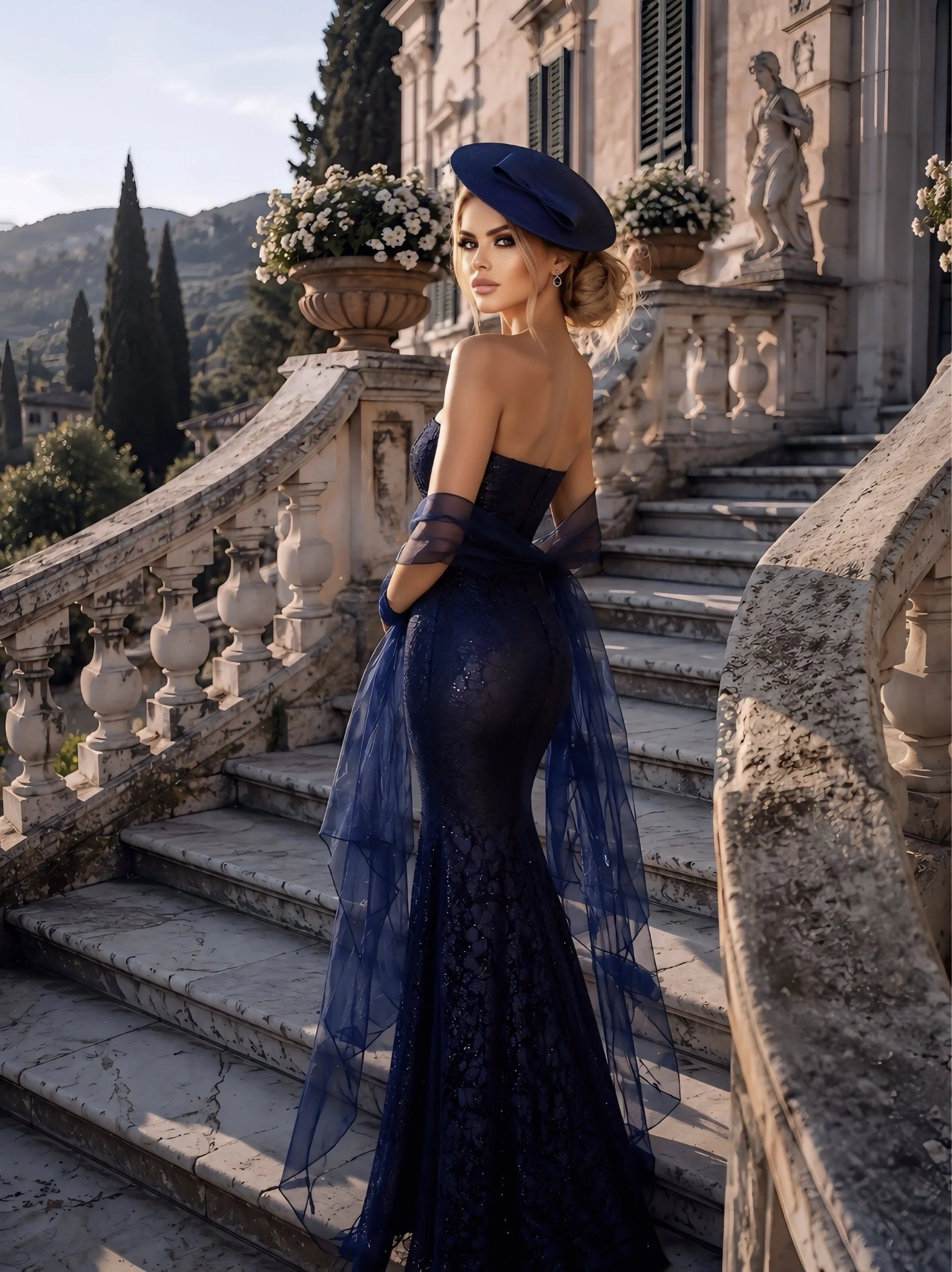
You emigrated to the United States and have embraced it as your home. How has the experience of crossing geographical and cultural borders shaped the foundational themes of your writing?
Living among different cultures has allowed me to view the human experience through a wider and more nuanced lens. Yet my literary vocation was born long before I crossed any borders; I have been writing poetry and fiction since adolescence, and my voice as both a poet and a novelist was already deeply rooted within me. That journey across cultures and horizons has enriched my perspective on themes that have always shaped my work: identity, memory, nostalgia, the search for belonging, and the remarkable capacity of the human spirit to reinvent itself.
In both my poetry and my novels, I seek to explore that intimate space where memories, dreams, and emotions converge. I have learned that landscapes may change, languages may evolve, and customs may intertwine, yet human emotions retain a universal essence that connects us all. For this reason, my characters and verses often travel paths where rootedness and transformation coexist, for I have come to believe that the most meaningful borders are not the geographical ones, but those we cross within ourselves.
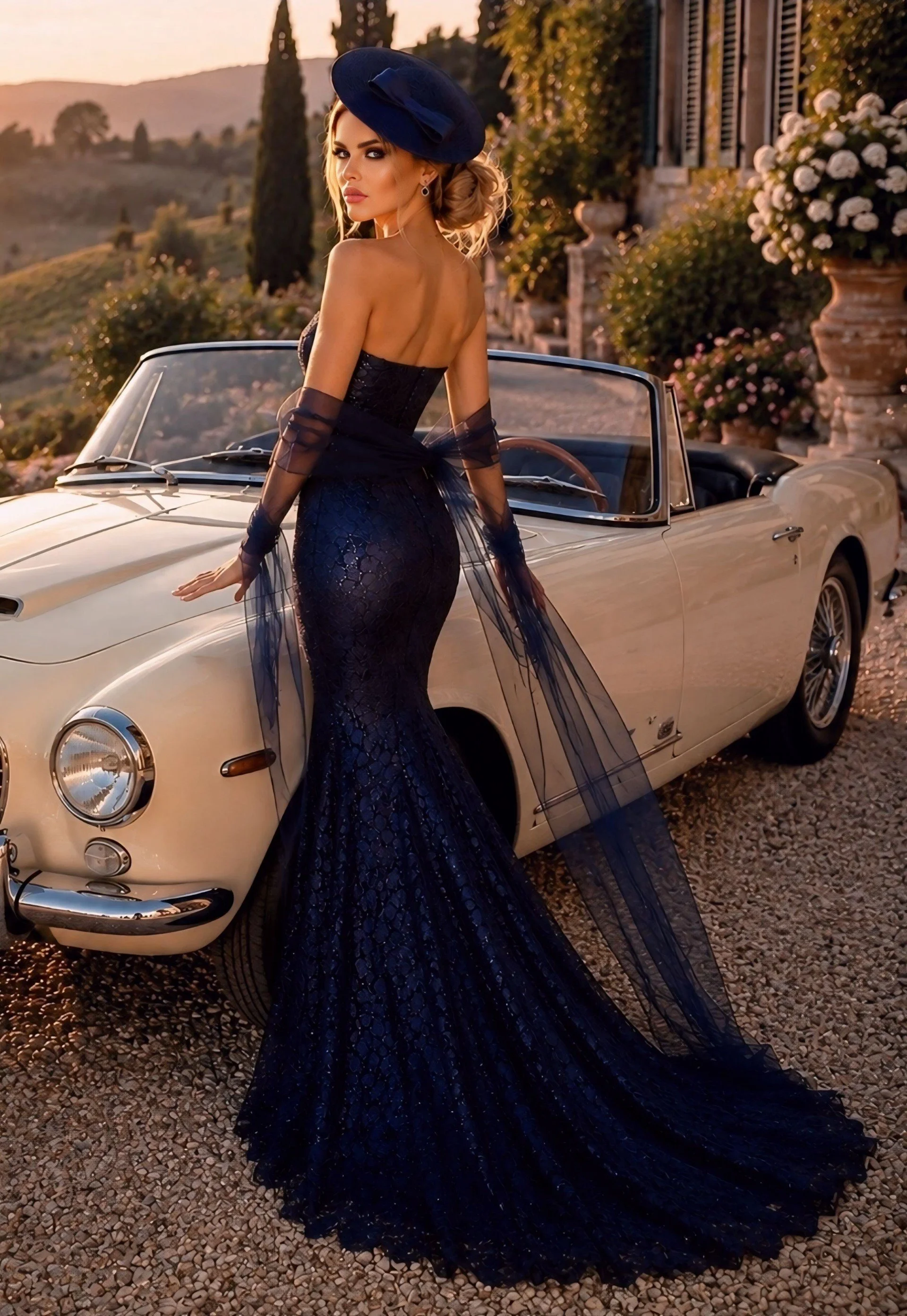
You’ve been passionate about art and literature since you were very young. Looking back, what were the early influences or defining moments that convinced you to dedicate your life entirely to the written word?
From a very young age, I was captivated by the power of words and their ability to convey emotions, preserve memories, and give voice to feelings that often remain unspoken. I began writing during my adolescence, not with the intention of pursuing a career, but because writing became the most natural way for me to understand the world and make sense of my own emotions. Poetry came first, offering both refuge and a means of capturing the beauty, fragility, and complexity of human experience.
Rather than a single defining moment, it was a collection of experiences that convinced me that the written word would always be at the heart of my life. Great works of literature, my love of thearts, and a deep fascination with people and their stories all nurtured a vocation that grew stronger with time. I eventually realized that writing was not merely something I did, it was an essential part of who I am. Since then, both poetry and fiction have become the mediums through which I explore memory, love, loss, hope, and the emotions that unite us across all boundaries.

Your poetry is often described as a blend of “delicacy and strength” that creates a nostalgic, reflective atmosphere. Can you walk us through your emotional process? How do you balance these two contrasting forces in your verses?
I believe that duality emerges from the very nature of human experience. Delicacy comes from my sense of wonder at the beauty of small things a memory, a glance, an absence, a fleeting moment that may seem insignificant yet lingers in the soul. Strength, on the other hand, arises from everything life asks us to endure: loss, farewells, change, and the wounds that ultimately shape us. Both coexist naturally in my writing because they coexist in life itself.
My creative process usually begins with a profound emotion. I do not write simply to describe feelings, but to understand them. When a poem succeeds in balancing vulnerability with resilience, nostalgia with hope, I feel it has found its true voice. Perhaps that is why my poetry often inhabits the space where sensitivity and strength meet, reminding us that even the gentlest emotions can carry extraordinary inner power.
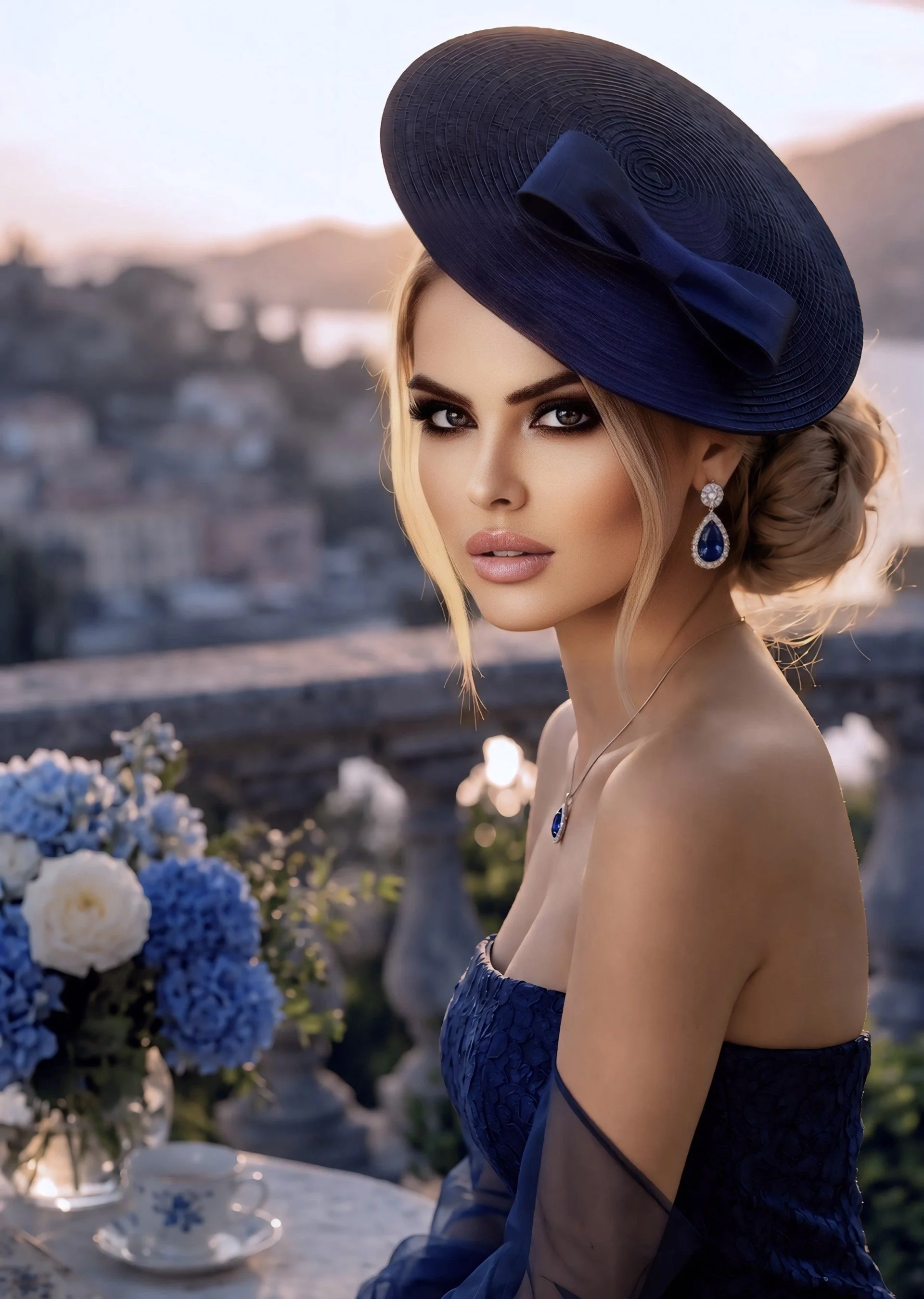
In today’s fast-paced world, your lyrical and evocative style invites readers to pause and awaken their senses. What role do you believe poetry plays in keeping us grounded today?
I believe that, in a world that moves increasingly fast, poetry offers us something profoundly valuable: the opportunity to pause. It invites us to listen to silence, to notice what often goes unseen, and to reconnect with our emotions amid the noise of everyday life. Poetry does not compete with the pace of the modern world; rather, it reminds us that some of life’s most meaningful experiences can only be appreciated when we allow ourselves to be fully present.
To me, poetry is a way of returning to our essence. It helps us preserve our sensitivity, our sense of wonder, and our capacity for empathy in an age that constantly demands immediacy. Through words, we can reconnect with our memories, our emotions, and our shared humanity. In that sense, I believe poetry remains both a refuge and a compass one that helps us keep our feet on the ground while never losing sight of the horizon.
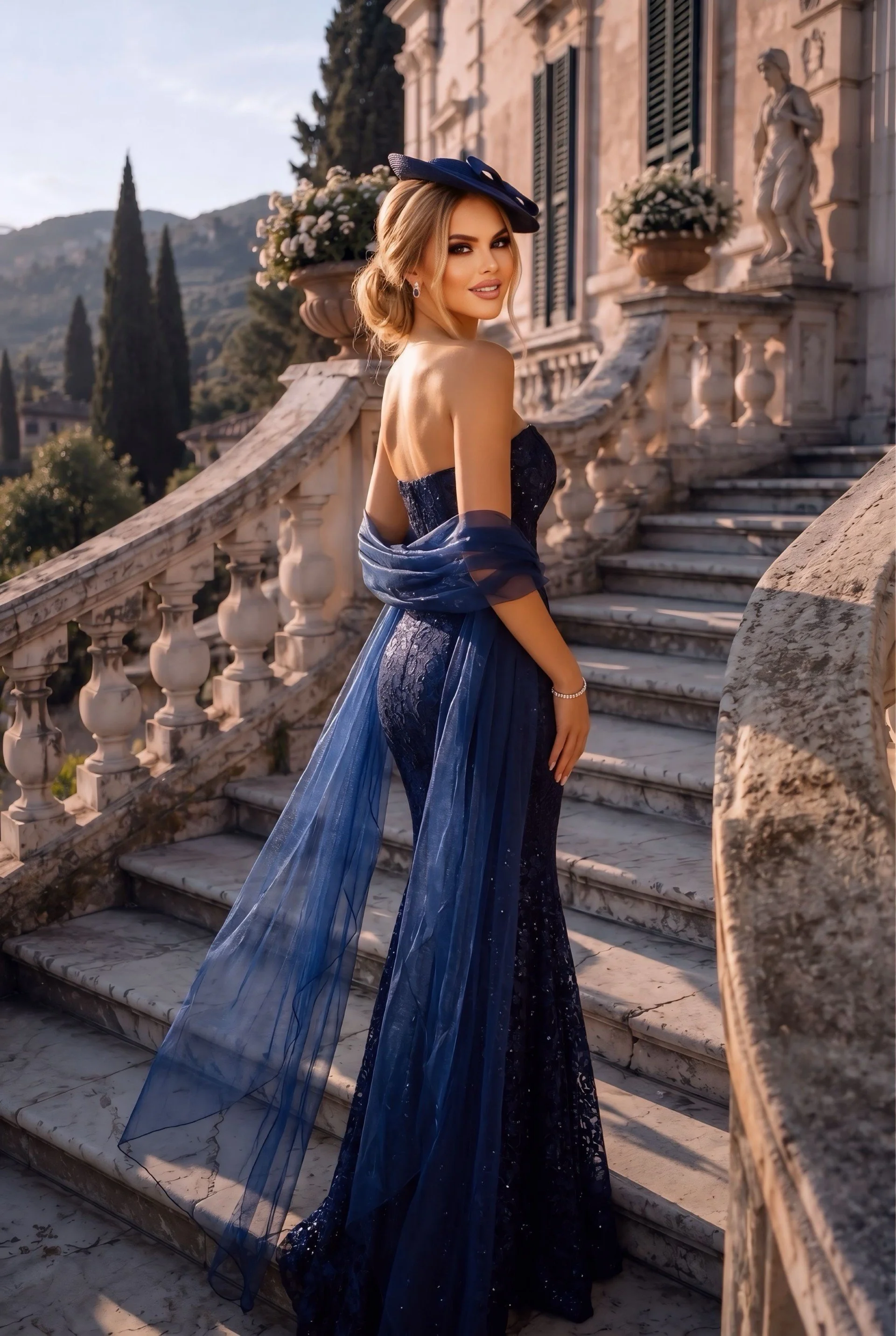
Readers often praise the passion and naturalness of the characters in your novels, noting how easy it is to empathize with them. Do your characters emerge from fragments of people you’ve met, or do they manifest entirely from your imagination?
I believe my characters emerge from a blend of observation and imagination. As a writer, I am deeply inspired by the complexity of people, their emotions, silences, contradictions, and the ways they navigate life. Over the years, I have encountered stories, experiences, and personalities that have left an impression on me and enriched my creative process.
However, none of my characters are based entirely on a real person. Rather, they are the result of a literary transformation in which imagination plays a central role. I draw upon universal emotions, memories, observations, and questions about human nature, and from them I create characters with lives and voices of their own. When readers connect with them, I believe it is because they reflect feelings and experiences that, at one point or another, we have all shared.
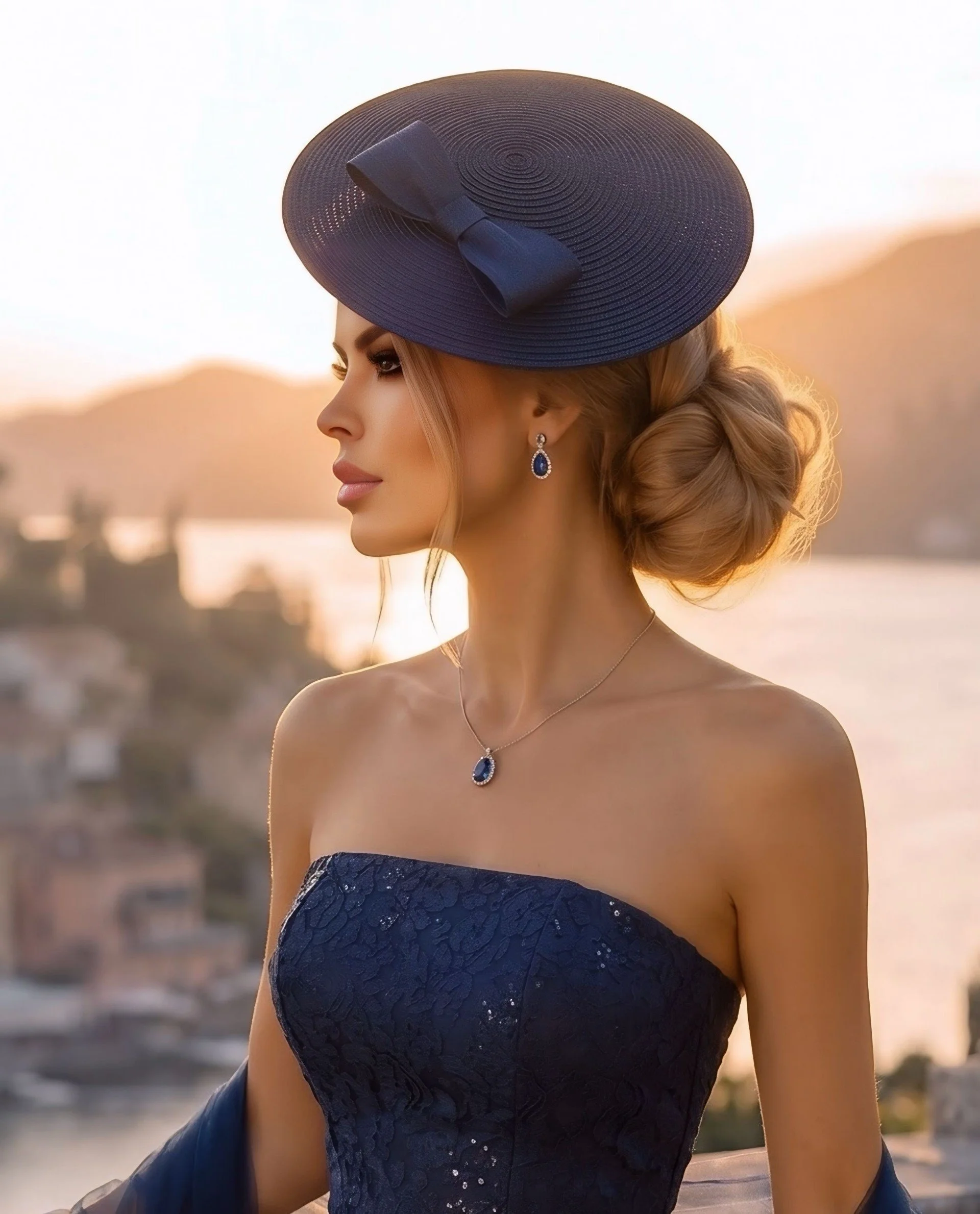
Of all the characters you’ve brought to life across your various editions, which one was the most emotionally demanding for you to write, and why?
Every character presents unique emotional challenges because, as a writer, I try to understand not only their actions but also their silences, contradictions, and the forces that drive them forward. For me, writing is an act of empathy; I must approach each character with enough sensitivity to understand their joys, fears, and deepest wounds.
At the moment, one of the most emotionally demanding characters I have written about is Aurelia, the protagonist of my upcoming novel, which will be released later this year. Aurelia finds herself torn between duty and the desires of her heart, facing choices that test both her strength and her capacity to love. Writing her led me to explore complex emotions such as loss, hope, sacrifice, and resilience. Perhaps she was so challenging because, as the story unfolded, I felt as though I were walking beside her, sharing her doubts, her dreams, and her struggle to find her own destiny.

Publishing in the US and Spain, your works are available in Spanish, English, and French. Does writing or translating in different languages alter the emotional resonance of your stories for you? Is there a language you feel best captures your poetic voice?
Each language possesses its own music, rhythm, and unique way of expressing emotion. When a work is written or translated into another language, the essence of the story remains, yet certain nuances take on new shades of meaning. Some images seem to bloom differently depending on the language, and as both a writer and a poet, I find that deeply enriching.
I would not say that one language reflects my voice better than another. While each offers different expressive possibilities, the emotion that inspires my stories and poems remains the same. Spanish, English, and French have each allowed me to discover different ways of expressing beauty, nostalgia, love, and hope. Rather than choosing among them, I feel fortunate to move between all three and to find in each language new ways of connecting with readers.
For our readers here in Europe, what cultural bridges do you hope your literature builds between the Americas and the European literary scene?
I believe literature has the extraordinary ability to remind us that, beyond our cultural differences, we share deeply human emotions, aspirations, and experiences.While every country possesses its own history, traditions, and artistic sensibilities, themes such as love, loss, hope, memory, and the search for identity transcend all borders. I would like to think that my work contributes, even in a small way, to that universal dialogue.
Having lived and written across different cultures has allowed me to appreciate the richness that emerges from the exchange of perspectives. If my literature can help build a bridge between the Americas and Europe, I hope it does so through the shared humanity that lives within its characters, stories, and emotions. At its heart, literature invites us to recognize ourselves in others, and I believe that its power to foster understanding, empathy, and connection remains one of its greatest gifts.
With such a diverse and established portfolio of novels and poetry, what untraversed literary territories or themes are you eager to explore in your upcoming projects?
One of the things I love most about literature is that there are always new horizons to explore. Throughout my literary journey, I have written about themes such as love, memory, nostalgia, hope, and the complexity of human emotions, yet I feel that every book opens the door to new questions and new ways of understanding the world. Rather than pursuing a particular genre, I am interested in continuing to explore the experiences that unite us as human beings, regardless of time, culture, or geography.
At the moment, I am especially excited about projects that allow me to explore new linguistic and cultural dimensions. I am currently working on a collection of poems in Italian, which will become the fourth language in my literary journey, alongside Spanish, English, and French. Beyond that, I am drawn to stories that examine identity, belonging, the passage of time, and the ways in which memory shapes our lives. I believe that as long as curiosity about the human soul endures, there will always be new literary territories waiting to be discovered.

To see more articles visit our section Collective Lens.
Keep up with Tatiana Marin’s upcoming releases and poetic musings on Instagram at @tatianamarin_official or explore more of her transcultural work at tatianamarin.net.